

Healing after food poisoning

What is tempeh? Benefits, nutrition, and how to use it

Light exposure at night may raise risk for heart disease

Whole grains may improve several heart risk factors at once

A lumbar belt may help ease low back pain

Children of centenarians may stay healthier and live longer too, study finds

Signs of pneumonia: Sometimes vague and unexpected

The surprising link between ovarian cancer and the fallopian tubes

Using a vibration plate: What it can — and can't — do for your body

People who walk more or walk faster live longer, study finds
Depression Archive
Articles

A free, easy way to help your health
News briefs
Want something simple to boost your health? Try looking on the bright side. A large observational study published online Sept. 27, 2019, by JAMA Network Open tied optimism to fewer heart attacks and a lower risk for premature death. Researchers combed through 15 studies that included almost 230,000 people who were followed for an average of 14 years. Being optimistic was associated with a 35% lower risk for cardiovascular events and a 14% lower risk for an early death, compared with being pessimistic. The findings don't prove that seeing the glass half-full causes better health, but many other studies have reported similar findings. "Optimistic people may have healthier habits, such as regular exercise and healthy diets; and they may be better at regulating their emotions in stressful situations, which could also contribute to lower levels of inflammation. But we need more research to confirm it," says Dr. Laura Kubzansky, a study author and co-director of the Lee Kum Sheung Center for Health and Happiness at the Harvard T.H. Chan School of Public Health.
Image: Morsa Images/Getty Images

Can a dietary supplement help ease your depression?
It's not clear that supplements are effective, but some evidence is encouraging.
Some people are wary of taking antidepressants to treat their mild or moderate depression. They may not want to deal with the hassle of prescriptions, the costs, the potential side effects (such as sexual dysfunction), or the worry that medication treatment could mean an endless commitment.

Why dog owners seem to have healthy hearts
Research we're watching
Having a dog often means taking daily walks, a habit that helps stave off heart disease. But that might not be the only reason dog owners have healthier hearts, according to a new study.
The nearly 1,800 participants had no history of heart disease in 2013 when the study began. Researchers scored them based on the American Heart Association's "Life's Simple 7" factors: body mass index, diet, physical activity, smoking status, blood pressure, blood sugar, and total cholesterol. Then they compared the scores of people who owned any pet to those who did not own pets, as well as the scores of dog owners with owners of any pet or no pet.

Optimism: Good for your heart?
Research we're watching
People with a positive outlook on life seem to be less likely to experience serious heart-related problems, according to a review published Sept. 27 by JAMA Network Open.
The study pooled findings from 15 studies involving a total of more than 220,000 people. After a follow-up period lasting an average of nearly 14 years, researchers found that optimism was associated with a 35% lower risk of angina, heart attack, stroke, or death from cardiovascular causes. That benefit held even when they considered studies that took into account depression, physical activity, and other possible confounding factors.

Outrunning the risk of dementia
Even if dementia runs in your family, smart lifestyle changes can help you improve your chances of staying ahead of it.
There are many things you can change about your life, but unfortunately, your genes are not among them. For better or worse, you are dealt a specific genetic hand when you are born. But that does not mean you are defenseless.
Take dementia, for example. If this cognitive disorder runs in your family, new research suggests there are ways to perhaps avoid the same fate.

Will a purpose-driven life help you live longer?

Blood test may find early signs of Alzheimer's
In the journals
A new study found that a simple blood test can detect beta-amyloid protein buildup in a person's brain years before Alzheimer's disease symptoms appear. The results were published online Aug. 1, 2019, by the journal Neurology.
High amounts of beta-amyloid can clump together and form plaques on the brain, which is strongly associated with Alzheimer's disease. Other research has found that amyloid plaques can appear as early as 20 years before the first sign of Alzheimer's symptoms, such as cognitive decline and memory loss.

Sexual and gender minorities face unique health risks
Memory problems and confusion are just the newest in a list of health problems that appear to disproportionately affect LGBT individuals.
Past research has shown that sexual and gender minority groups may be at higher risk for certain health conditions, including cardiovascular disease and mental health disorders such as anxiety and depression. A new study suggests that another condition — dementia — may also be on that list. Findings presented at the 2019 Alzheimer's Association International Conference showed that people who identified as a sexual or gender minority were more likely than other people to report worsening memory or increased confusion over the past year.
It's possible that some of the same underlying factors that affect risk of other diseases are playing a role in these reported cognitive changes as well, says Dr. Ole-Petter R. Hamnvik, an assistant professor of medicine at Harvard Medical School. "Almost any health outcome that you look at, you can find disparities in these groups. It's not just dementia," he says.

Survey shows changing attitudes about women's intelligence
Research we're watching
Are men or women smarter? A recent analysis, published online July 18 by American Psychologist, shows that a majority of Americans (86%) polled in 2018 think men and women are equally intelligent. But among those who see a difference, 9% gave the edge to women, compared with only 5% who think men are smarter.
The results are a far cry from public opinion polls conducted in the 1940s, when a majority of Americans thought that men were the smarter sex, and only 36% thought that men and women were equals when it came to brains. These figures were compiled using 16 different, nationally representative, public opinion polls conducted from 1946 to 2018.
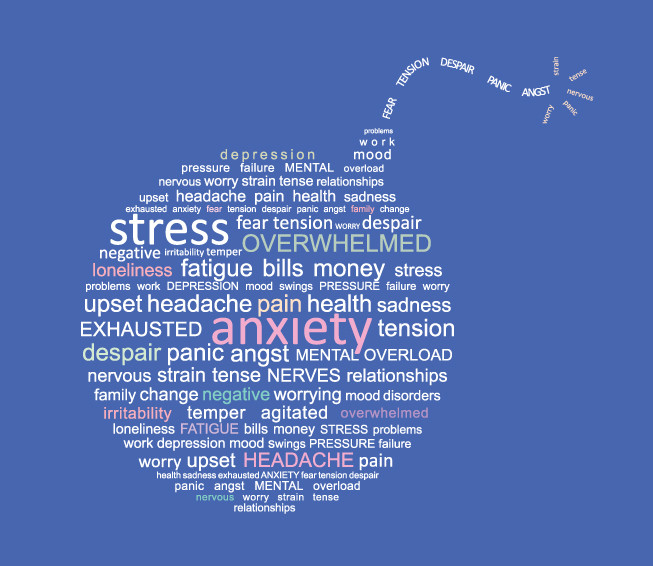
Can exercise help treat anxiety?
Millions of Americans report having an anxiety disorder. Evidence shows engaging in any sort of physical activity is one of the best ways to ease symptoms of anxiety. Regular activity is best, but even a single bout can help.
Healing after food poisoning
What is tempeh? Benefits, nutrition, and how to use it
Light exposure at night may raise risk for heart disease
Whole grains may improve several heart risk factors at once
A lumbar belt may help ease low back pain
Children of centenarians may stay healthier and live longer too, study finds
Signs of pneumonia: Sometimes vague and unexpected
The surprising link between ovarian cancer and the fallopian tubes
Using a vibration plate: What it can — and can't — do for your body
People who walk more or walk faster live longer, study finds
Free Healthbeat Signup
Get the latest in health news delivered to your inbox!
Sign Up
