

Light exposure at night may raise risk for heart disease

Whole grains may improve several heart risk factors at once

A lumbar belt may help ease low back pain

Children of centenarians may stay healthier and live longer too, study finds

Signs of pneumonia: Sometimes vague and unexpected

The surprising link between ovarian cancer and the fallopian tubes

Using a vibration plate: What it can — and can't — do for your body

People who walk more or walk faster live longer, study finds

For sleep apnea, a dental device may be as effective as CPAP

Rosacea treatments: What works?
Depression Archive
Articles

Peer support good for the heart
Image: Thinkstock
Research we're watching
Many people know what they need to do to keep their hearts healthy. The challenge is making changes (like exercising regularly and eating more fruits and vegetables) and sticking with them. New research suggests monthly meetings with a group of peers who offer support and encouragement can help.
The study included 543 adults with at least one risk factor for heart disease (being overweight, smoking, being physically inactive, or having high blood pressure). Half were randomly assigned to a self-management control group. The others were placed in teams of 10 for the peer-group interventions. Two peer-elected trained leaders headed each group meeting, which involved role-play, brainstorming, and activities to address emotions, diet, and exercise. The groups met for 60 to 90 minutes monthly for one year.
Mindfulness: Not just for stress reduction
Image: iStock
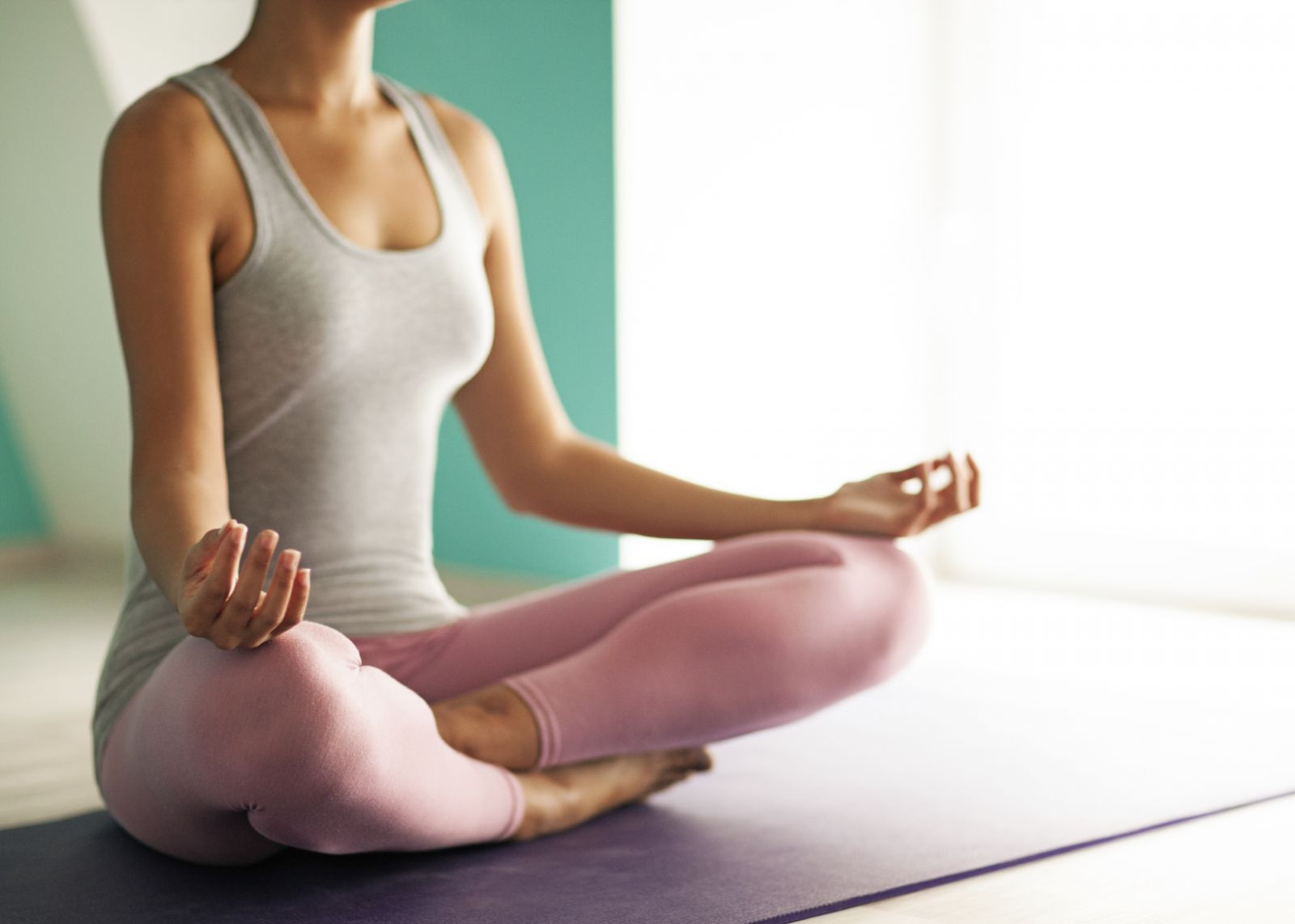
The meditative practice is being used for everything from boosting happiness to treating high blood pressure.
Mindfulness, which trains you to focus your mind on the present moment, is more than a popular meditation technique. It's been shown to help treat depression and anxiety and improve sleep quality. And it's now being studied as a complementary therapy for cancer, stroke, multiple sclerosis, and pain. "We're seeing an exponential increase in doctors embracing mindfulness as a treatment," says Dr. Ronald Siegel, assistant professor of psychology at Harvard Medical School and faculty editor of the Harvard Special Health Report Positive Psychology.

The truth about altruism
Many people believe that the human tendency to want to act for the greater good is rooted in kindness. But research suggests that altruism may have evolved alongside the impulse to condemn and even chasten those put self-interests first.
Is there a natural remedy for anxiety?
|
Ask the doctor
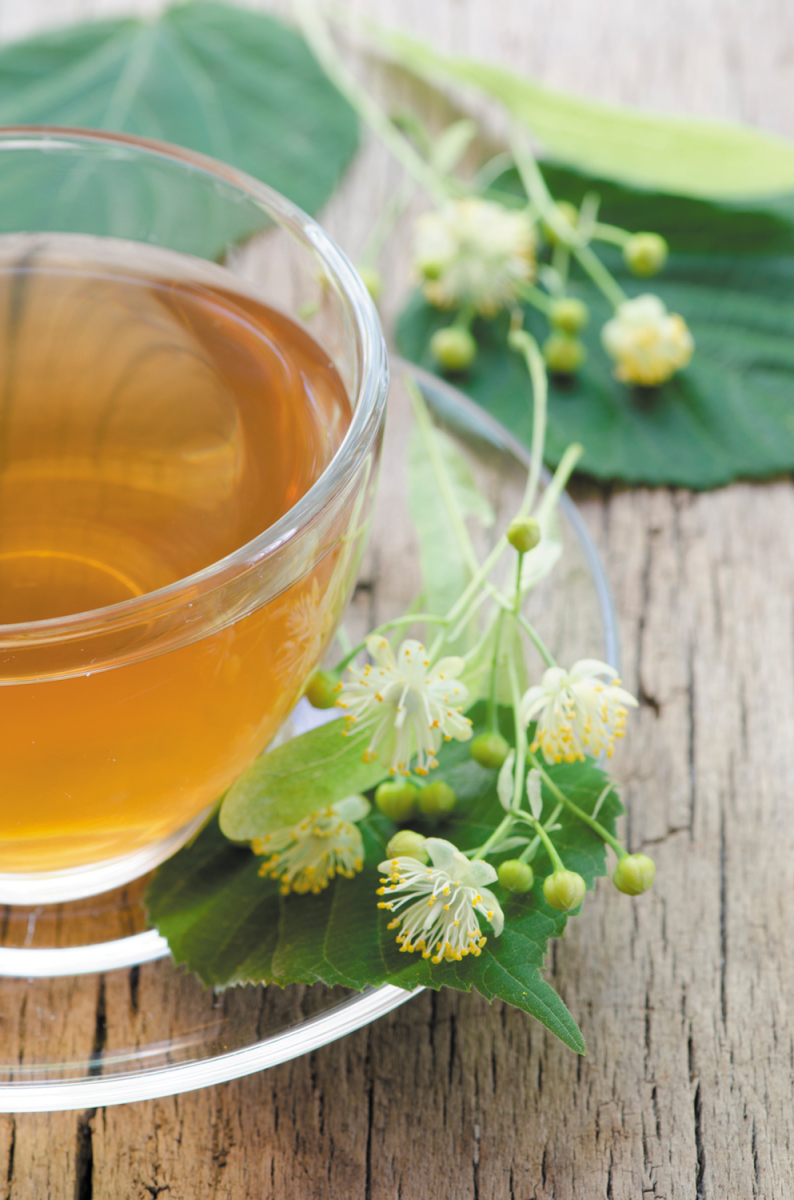
Q. I find myself getting more and more anxious, but I don't like to take medications. Is there an alternative natural treatment I can try instead?
A. Anxiety is an incredibly common problem. Although there are many FDA-approved medications that have been widely studied and proved effective, studies show that up to 43% of patients with anxiety use alternative medicine to treat it. Among alternative therapies, herbal treatments are widely used both for therapeutic purposes and for comfort.

Is this eating style good for brain health?
Image: Thinkstock
Ask the doctor
Q. My doctor says the Mediterranean diet is not only good for my health in general, but that it is particularly good for my brain. That got my attention. Anything to it?
A. I think there is. The Mediterranean diet is rich in whole-grain bread, root vegetables, green vegetables, fish, poultry, fruit, and olive oil. It includes relatively little red meat, butter, and other foods rich in saturated fats and trans fats. As is often the case with research into a medical question, not all studies come to the same conclusion. But many studies have found that people who regularly adhere to the Mediterranean diet are less likely to develop Alzheimer's disease. And many studies also find that people with diets rich in saturated fats (including from red meat and processed meat) and trans fats are more likely to develop dementia of some type, along with other brain disease, particularly strokes.

Rev up your thinking skills by trying something new
Learning a new dance step involves exercise, socialization, and a challenge, all of which can help boost thinking skills.
Image: iStock
Challenging your brain, staying physically active, and being socially engaged may help keep our thinking skills sharp.

Teaching gratitude this holiday season – and all year long
Whether this time of year brings gift-giving rituals in your household or not, it’s a good reminder to practice the “skill” of gratitude. Even young children can learn to focus on what they have instead of what they lack. Practicing gratitude is more than a social grace. Research suggests it can help your child build resilience and it is associated with greater happiness in life. Dr. Claire McCarthy shares her tips for helping your child cultivate the skill of gratitude.

10 tips for mindful eating — just in time for the holidays
Eating without awareness can lead to overeating and take away much of the pleasure that can be found in your meals. During the holidays, it can easily cause you to overindulge. Taking a mindful approach to meals by slowing down and savoring the experience can not only help with weight control, but also enhance health and well-being — as well as your enjoyment of the meal.

3 health strategies to help you get through the holidays
Image: Thinkstock
Plan now to help prevent overeating, trips to the hospital, and depression.
The winter holidays are supposed to be a joyous time, filled with celebration. But they come with health risks, such as loneliness and depression, overeating, weight gain, falls in icy weather, foodborne illness, and heart problems. Here are ways to protect yourself while enjoying the season.
Light exposure at night may raise risk for heart disease
Whole grains may improve several heart risk factors at once
A lumbar belt may help ease low back pain
Children of centenarians may stay healthier and live longer too, study finds
Signs of pneumonia: Sometimes vague and unexpected
The surprising link between ovarian cancer and the fallopian tubes
Using a vibration plate: What it can — and can't — do for your body
People who walk more or walk faster live longer, study finds
For sleep apnea, a dental device may be as effective as CPAP
Rosacea treatments: What works?
Free Healthbeat Signup
Get the latest in health news delivered to your inbox!
Sign Up
