

Light exposure at night may raise risk for heart disease

Whole grains may improve several heart risk factors at once

A lumbar belt may help ease low back pain

Children of centenarians may stay healthier and live longer too, study finds

Signs of pneumonia: Sometimes vague and unexpected

The surprising link between ovarian cancer and the fallopian tubes

Using a vibration plate: What it can — and can't — do for your body

People who walk more or walk faster live longer, study finds

For sleep apnea, a dental device may be as effective as CPAP

Rosacea treatments: What works?
Depression Archive
Articles

Tips to get the most from your memory
As you've gotten older, have you noticed that you often find yourself marching around the house in a huff, searching for misplaced car keys or eyeglasses, or you just cannot remember the name of that new neighbor you met when walking the dog? It's frustrating, to be sure, but not inevitable — and there are things you can do to help keep your memory sharp.
"Most people get a little more forgetful with aging, but there are some simple things you can do to prevent memory slips and help your brain to learn and remember better," says Dr. Anne Fabiny, chief of geriatrics at Cambridge Health Alliance and an assistant professor of medicine at Harvard Medical School.

Decline in dementia rate offers “cautious hope”
Last year, the Alzheimer’s Association predicted that rates of dementia would continue to rise. However, a report recently published in the New England Journal of Medicine found that rates of dementia have actually dropped steadily over the past three decades. Whether the drop in rates applies to everyone, and whether it will continue, remain to be seen. But the evidence also confirms that there’s quite a lot you can do to lower your dementia risk.
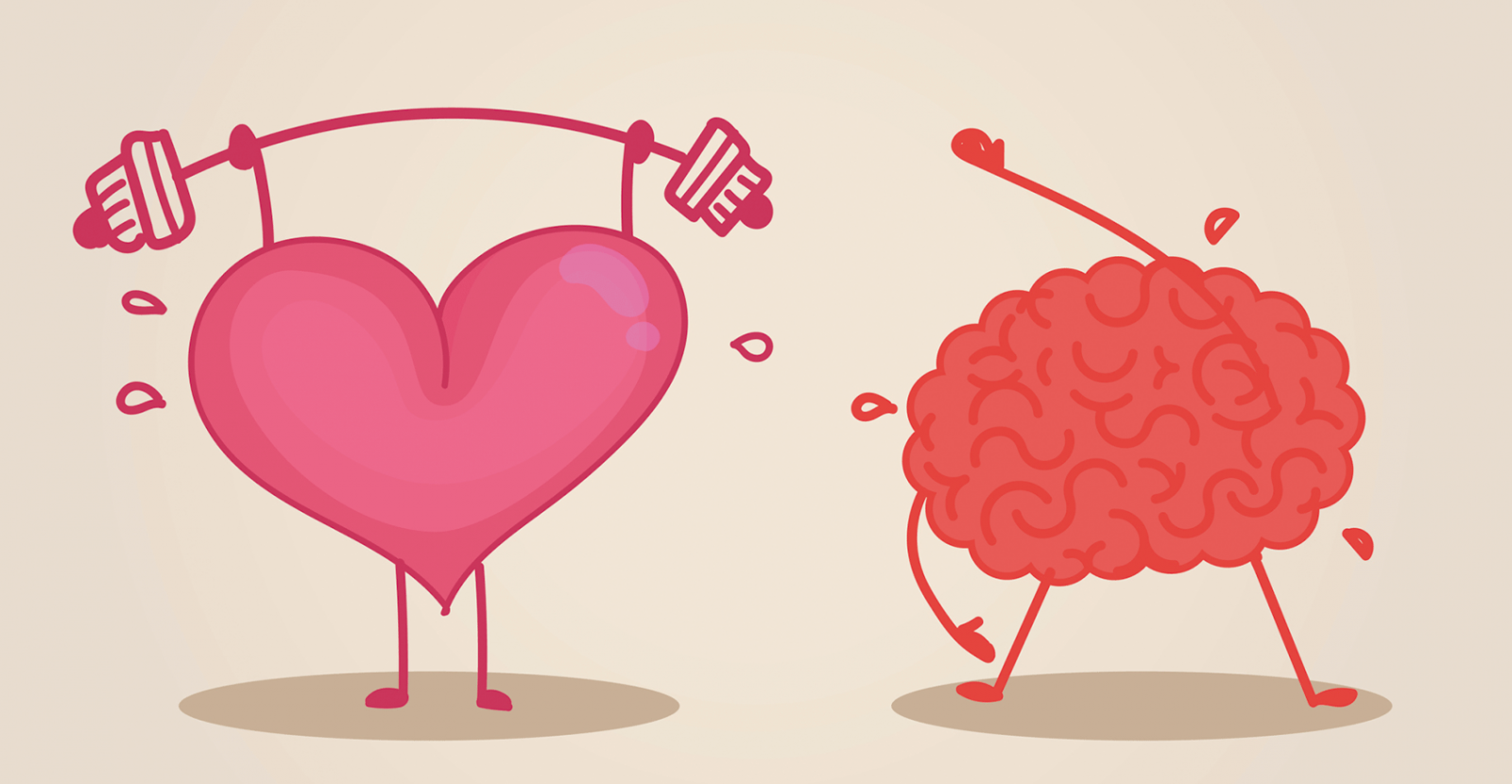
A stronger heart may help keep your brain young
New findings link cardiovascular fitness to better thinking skills and memory in older people.
Image: Thinkstock
Exercise that speeds up your heart rate and breathing keeps your heart and blood better cardiovascular fitness to a sharper brain is providing new clues about this heart-mind connection.
"It's not just about delivering more oxygen to the brain, although that's part of it," says Dr. John Ratey, associate clinical professor of psychiatry at Harvard Medical School and author of Spark: The Revolutionary New Science of Exercise and the Brain. Having a fit, healthy cardiovascular system also protects against vascular dementia, which happens when blood vessels feeding the brain are blocked or narrowed, leading to memory problems and other cognitive trouble.

The benefits of positive thinking after a heart attack
Image: Thinkstock
A heart attack or unstable angina (sudden chest pain that happens at rest) usually requires a hospital stay. After such events—which doctors call acute coronary syndromes—about one in five people ends up back in the hospital with heart disease or dies in the following year. But there's a bright side: new research suggests that survivors with an optimistic attitude are less likely to be readmitted to the hospital with heart problems.
The study, published in the January 2016 Circulation: Cardiovascular Quality and Outcomes, included 164 people, mostly men, who were hospitalized for acute coronary syndromes. Two weeks after the event, they filled out questionnaires designed to measure their sense of optimism and gratitude.

What's the purpose of the new mental health questionnaire?
Ask the doctors
Q: I went for my usual check-up, and in addition to taking my blood pressure, the medical assistant handed me a form to fill out with nine questions related to my mental health. I've never had this happen before. Is this new?
A: Yes, it is new for most people. The U.S. Preventive Services Task Force (USPSTF) has just released an important depression screening recommendation. The USPSTF recommends regular depression screening for all adults, which is a modification from advice originally given in 2009, in which screening was recommended only for clinics or doctors who had adequate support systems to provide mental health care for those who were identified with depression. Since that time, multiple studies have found that mental health care from primary care clinicians works very well, and probably just as well as specialist care from psychiatrists. That isn't to say we don't need care from psychiatrists, but rather that not everyone needs a psychiatrist, especially those with mild to moderate depression.
New depression screening guidelines benefit pregnant women and new moms–and everyone
The U.S. Preventive Services Task Force has recently updated their guidelines on depression screening to include pregnant and postpartum women, which will be a great help to the many new moms who experience mood changes that go beyond the “baby blues.” The updated guidelines offer other benefits, too, that help improve everyone’s access to mental health care — especially those who can’t currently afford it.


The health benefits and risks of pet ownership
They're cute, cuddly, and loving, but dogs and cats aren't always appropriate for older adults.
There's a reason dogs are dubbed man's best friend. Dogs—and cats, too—make wonderful companions and provide many emotional and physical benefits. "I'm a believer in the beneficial effects of having a pet, and I'm impressed with the ability of dogs in particular to form bonds with human beings. I think the science is starting to support their special ability to do that," says psychiatrist Dr. Greg Fricchione, director of the Harvard-affiliated Benson-Henry Institute for Mind Body Medicine. However, there are a number of considerations to mull over before adding a pet to your household.
Benefits
The most obvious benefits of pet ownership are love and companionship. "We do best medically and emotionally when we feel securely attached to another, because we're mammals and that's the way we've evolved," says Dr. Fricchione. He points out that we feel especially secure with dogs and cats because of the unconditional love they provide. "No matter what you do or say, your dog or cat accepts you and is attached to you," says Dr. Fricchione. Taking care of a dog or a cat can provide a sense of purpose and a feeling of validation when you wake up or come home and there's someone who's happy to see you.
Why conquering stress can help your heart
Learning to deal with stress can lower your risk for anxiety, depression, and cardiovascular disease.
The more we learn about women's hearts, the more we realize that they are different from men's. One of the most dramatic differences is a rare heart condition called takotsubo cardiomyopathy, or broken-heart syndrome, that is nine times more common in women than in men. It has been cited as evidence that sudden emotional stress can actually cause death in some women.
Like a heart attack, takotsubo cardiomyopathy strikes suddenly with symptoms such as chest pain and shortness of breath; however, it does not involve clogged arteries. Takotsubo cardiomyopathy is brought on by a surge of stress hormones that literally bend the heart out of shape. As a result, when the main pumping chamber of the heart (the left ventricle) contracts, it balloons out, so it can't eject blood into the arteries effectively.
Light exposure at night may raise risk for heart disease
Whole grains may improve several heart risk factors at once
A lumbar belt may help ease low back pain
Children of centenarians may stay healthier and live longer too, study finds
Signs of pneumonia: Sometimes vague and unexpected
The surprising link between ovarian cancer and the fallopian tubes
Using a vibration plate: What it can — and can't — do for your body
People who walk more or walk faster live longer, study finds
For sleep apnea, a dental device may be as effective as CPAP
Rosacea treatments: What works?
Free Healthbeat Signup
Get the latest in health news delivered to your inbox!
Sign Up
