

CoQ10: Should you take this popular supplement if you're on a statin?

Oat vs. dairy milk: Nutrition, benefits, and downsides

Microplastics: A hidden health threat?

Healing after food poisoning

What is tempeh? Benefits, nutrition, and how to use it

Light exposure at night may raise risk for heart disease

Whole grains may improve several heart risk factors at once

A lumbar belt may help ease low back pain

Children of centenarians may stay healthier and live longer too, study finds

Signs of pneumonia: Sometimes vague and unexpected
Colorectal Cancer Archive
Articles

Scoring highly on Alternative Healthy Eating Index lowers risk for many illnesses

Can I skip colonoscopies after age 75?
Most people don't benefit from colonoscopies after age 75, but before stopping they should have a discussion with their doctor.

Five hours of weekly exercise may help prevent some cancers
Many cancers might be avoided if people did at least five hours of moderate-intensity exercise per week like brisk walking, biking riding, and water aerobics.

A look at health screenings
Men are less likely than women to get regular exams and tests, especially when they are younger. But as they age, routine screenings are essential. There are certain tests most men should have at some point, including ones for colon cancer, high blood pressure, hepatitis C, diabetes, and HIV. Other tests men should consider if they are at high risk for specific ailments, such as abdominal aortic aneurysm, hepatitis B, and lung cancer.

Five hours of weekly exercise linked to fewer cancer cases
A study published online Oct. 4, 2021, by the journal Medicine & Science in Sports & Exercise found that about 46,000 U.S. cancer cases per year can be attributed to getting less than 300 minutes of moderate-intensity exercise per week.

Are women being over-diagnosed with thyroid cancer?
Compared to men, women may be over-treated for a certain type of thyroid cancer that is usually not dangerous.

Adding ultrasound to mammography improves cancer detection rate

Cancer survivors' sleep is affected long after treatment
According to a new study, many people who have survived cancer treatment experience poor sleep long after treatment has ended. These people also reported emotional distress, financial hardship, and concern that their cancer might return. Many sleep disorders can be treated successfully, but an accurate diagnosis is essential to choosing the correct treatment.

Cancer report shows a mixed bag
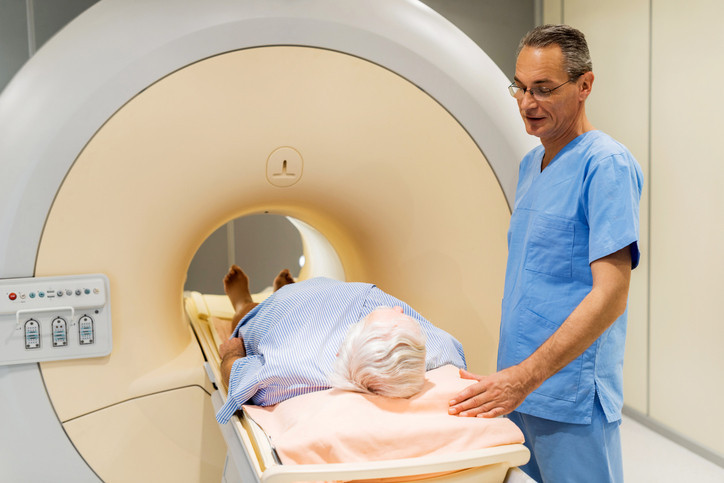
Radiation risk from medical imaging
Given the huge increase in the use of CT scans, concern about radiation exposure is warranted. Patients should try to keep track of their cumulative radiation exposure, and only have tests when necessary.
CoQ10: Should you take this popular supplement if you're on a statin?
Oat vs. dairy milk: Nutrition, benefits, and downsides
Microplastics: A hidden health threat?
Healing after food poisoning
What is tempeh? Benefits, nutrition, and how to use it
Light exposure at night may raise risk for heart disease
Whole grains may improve several heart risk factors at once
A lumbar belt may help ease low back pain
Children of centenarians may stay healthier and live longer too, study finds
Signs of pneumonia: Sometimes vague and unexpected
Free Healthbeat Signup
Get the latest in health news delivered to your inbox!
Sign Up
