

Naturally gluten-free foods

Harvard study: Healthier fats linked to longer life after prostate cancer diagnosis

Shingrix shingles vaccine linked with lower heart disease risks

Estrogen-only hormone therapy tied to lower dementia risk

Should you have a hysterectomy?

Stair climbing may significantly lower cardiovascular risks

Why do I sweat so much?

Walking pneumonia: The "mild" illness that can still pack a punch

What causes knee pain: How doctors make a diagnosis

Where you carry excess weight matters in predicting heart disease risk
Brain health Archive
Articles
After a stroke with no clear cause, a heart repair may be in order
Closing a gap inside the heart may help prevent a rare type of stroke from recurring.
Image: Adapted from © rabbitteam/Thinkstock
Most strokes occur when a clot blocks blood flow to part of the brain. Often, doctors can tell what caused the clot to form. But about a quarter of the time — especially in people younger than 60 — there is no obvious reason. These types of strokes are known as cryptogenic (meaning "of hidden origin").
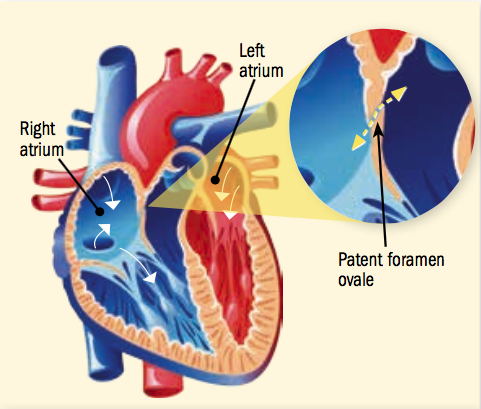
One possible cause underlying a cryptogenic stroke is an opening in the wall that separates the heart's right and left upper chambers (atria). Known as a patent foramen ovale, or PFO, this flaplike opening is quite common. About one-quarter of all adults have a PFO (see "What is a patent foramen ovale?").
Weighing the risks and benefits of aspirin therapy
It may help prevent a heart attack or stroke, but it comes with the risk of bleeding.
Image: © Garsya/Thinkstock
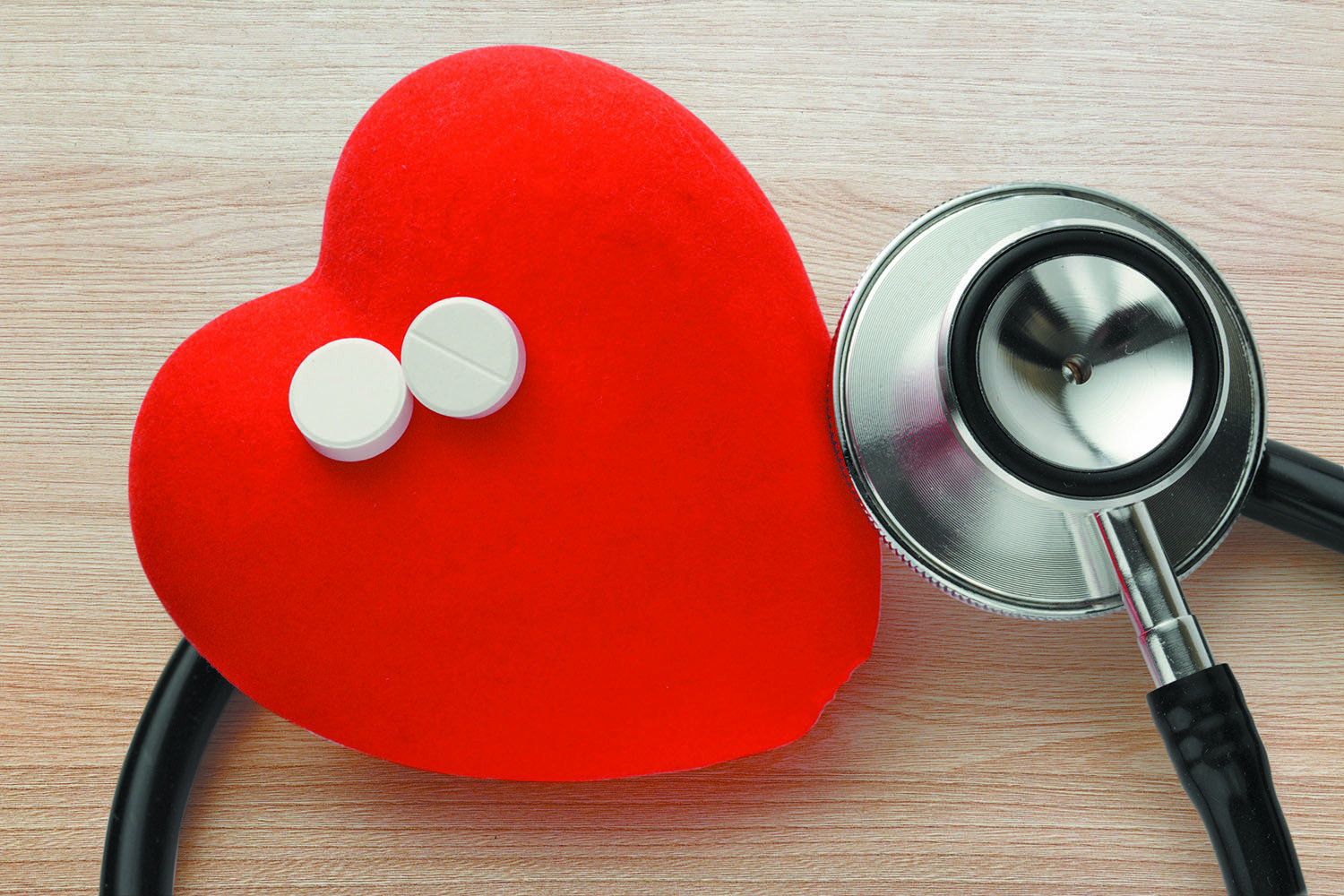
Maybe you've heard about people who take a low-dose aspirin each day to ward off heart problems. Since aspirin is a medicine you've probably used now and then without a problem, and since it is available without a prescription, you might consider trying a daily low-dose aspirin yourself. Don't do it. Unlike deciding to take a multivitamin, taking a daily aspirin isn't something you should decide to do on your own.
Aspirin therapy is typically prescribed to people who have atherosclerosis of the arteries of the heart or brain, or risk factors for such disease. Just who should take a daily aspirin, how much aspirin, and what type of aspirin are hotly debated issues, with clinical trials under way in search of answers. "Until those results are in, you should talk to your doctor before starting aspirin," says Dr. Deepak Bhatt, a cardiologist and the editor in chief of the Harvard Heart Letter.
Midlife heart health shows a link with future risk of dementia
Factors that harm your heart may be bad for your brain.
Image: © Nik01ay/Thinkstock
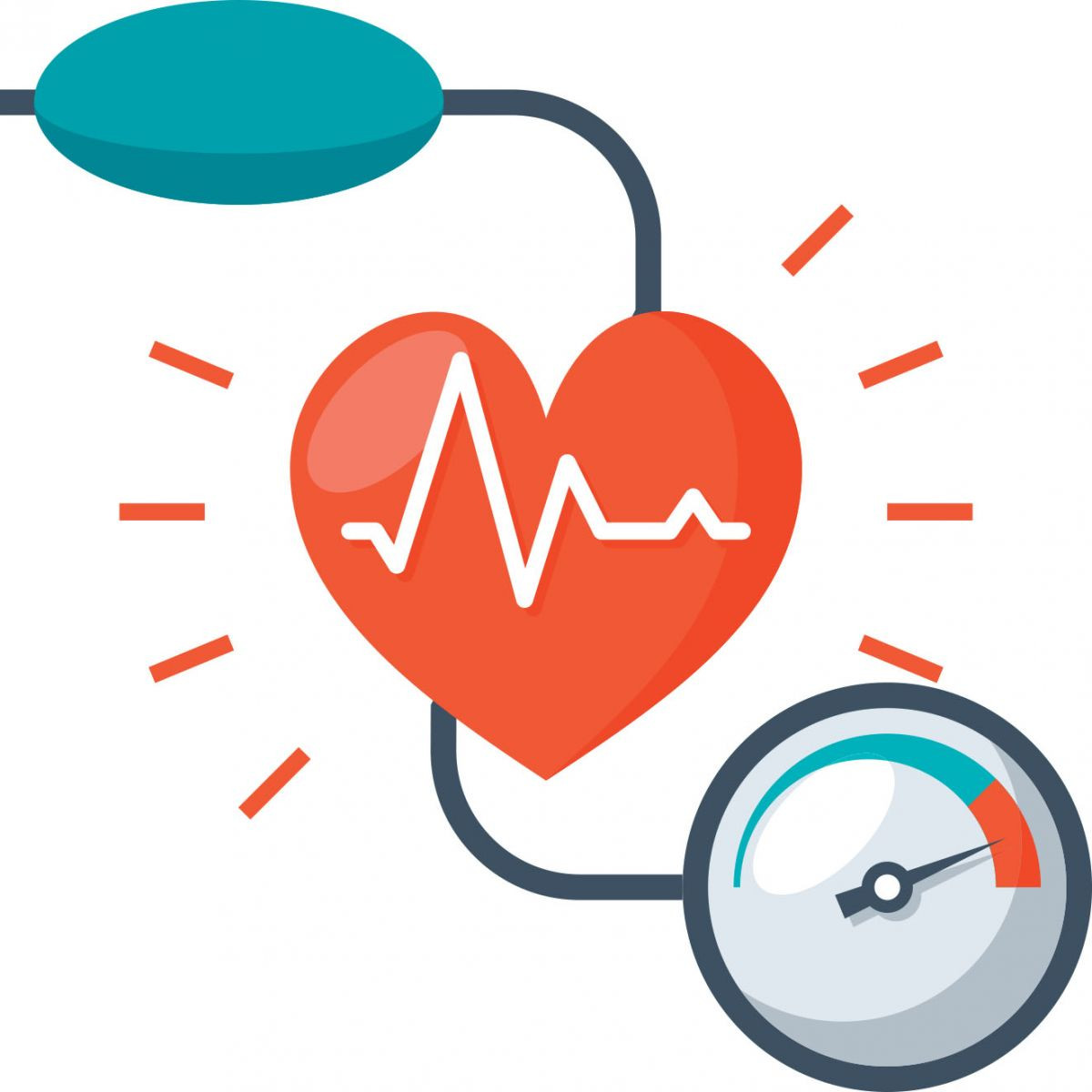
During middle age, factors that leave you prone to a heart attack or stroke — high blood pressure, diabetes, and smoking — may raise your risk of developing dementia a quarter-century later, new research suggests. All three things affect your vascular (blood vessel) health.
The recent study, which adds to the growing evidence linking heart health to brain health, has elements that make findings especially reliable, says Dr. Gad Marshall, a Harvard Medical School assistant professor of neurology. "For understanding the vascular risks for dementia, this study is as close to definitive as we can get," he says.

Can brain training programs actually improve memory?
On call
Image: © Digital Vision/Thinkstock
Q. I have been seeing a lot about brain training programs to improve memory. Do they really work?
A. Brain training programs promise to preserve cognitive abilities, but so far research has not found they can delay or prevent brain decline.

Women’s stroke rate stubbornly steady
As a group, men have nudged down their stroke numbers over the past decade. Why haven't women seen the same improvement?
Image: © stockdevil/Thinkstock
Men are less likely to have strokes than they were 10 years ago, but the risk for women has stayed about the same, according to a study of stroke data from Ohio and Kentucky, published online on August 21 by Neurology.
The question is, why?
"This study raises important concerns about the lack of decline in stroke rates in women," says Dr. Kathryn M. Rexrode, associate professor of medicine and chief of the Division of Women's Health at Harvard Medical School. Study authors suggested it's likely that better treatments for high blood pressure, high cholesterol, and diabetes, and a reduction in the number of people smoking helped to reduce the risk for men for having the most common type of stroke — ischemic stroke, which is typically caused by a clot that blocks blood flow to the brain. But women, who in theory should benefit from the same interventions, didn't see any improvement in their stroke rates over the study period.

A new concern about blood pressure and your brain health
Research we're watching
Last month, Harvard Women's Health Watch talked about how high blood pressure can cause a series of tiny strokes that damage your brain, increasing your risk of dementia and cognitive changes. A study in the August 8 issue of Circulation shows that this might not be the only concern when it comes to blood pressure and your mind. Researchers in Japan found that large and frequent fluctuations in blood pressure — not just high blood pressure — was associated with an increased risk of both Alzheimer's disease and vascular dementia.
The study authors asked 1,674 dementia-free participants ages 60 and older to measure their blood pressure at home, three times every morning, for about four weeks. They followed up about five years later to see who went on to develop dementia.

Can shingles raise your risk for heart attack and stroke?
Research we're watching
A research letter published in the July 3 issue of the Journal of the American College of Cardiology says that shingles, a painful rash caused by the varicella-zoster virus (the same virus that causes chickenpox) may be linked to an increased risk of stroke and heart attack.
South Korean researchers used a national medical database to identify diagnoses of shingles, stroke, and heart attack and followed them from 2003 to 2013. They compared 23,213 individuals who had developed shingles during this period and compared their subsequent rates of heart attack and stroke to approximately 23,213 shingles-free individuals. They found that people who had shingles had a 35% higher risk of heart attack and a 59% higher risk of stroke.
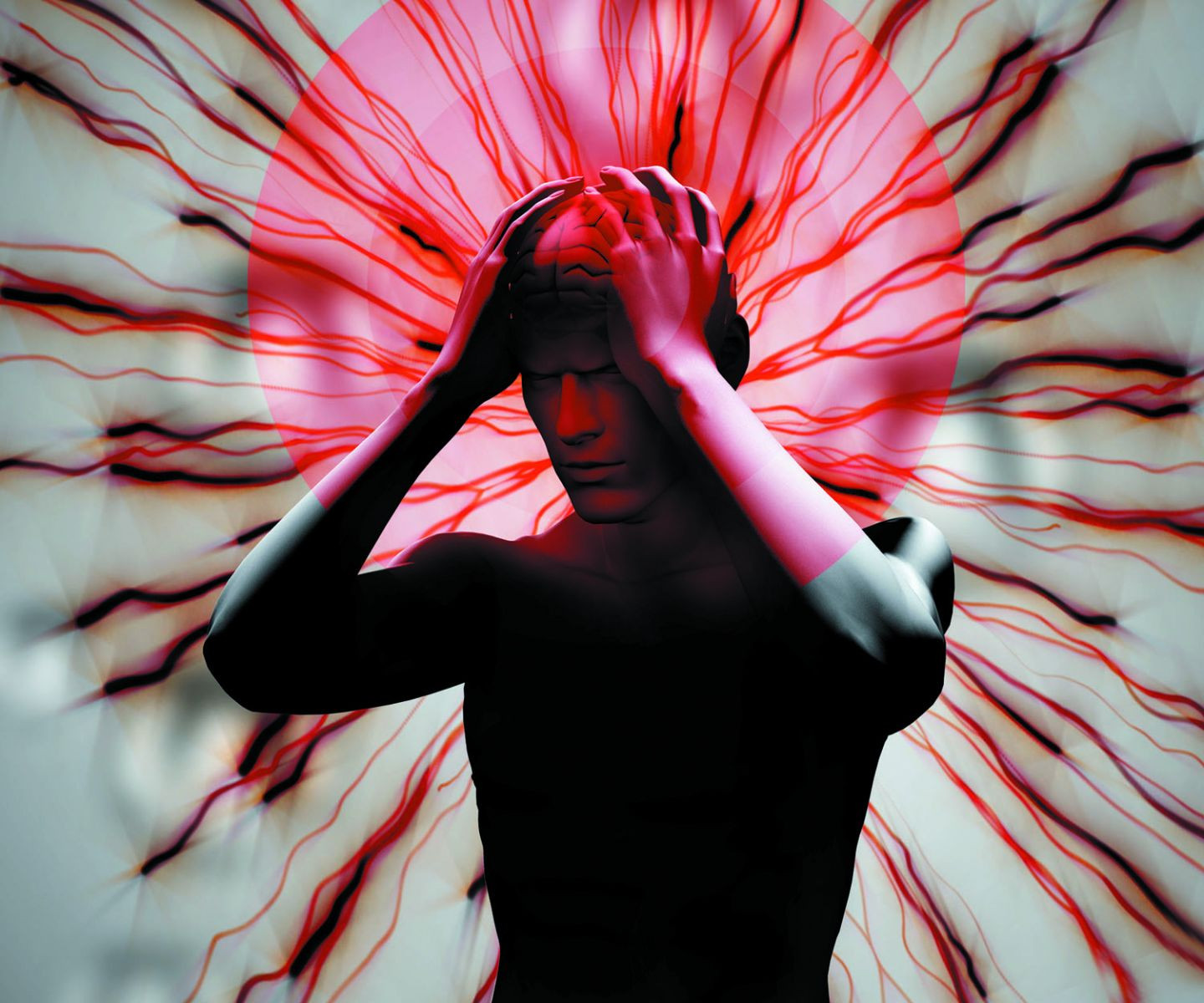
Quick-start guide to headaches
Pain from migraines, cluster headaches, and other types of headaches require very different treatments.
Image: © Wavebreakmedia Ltd/Thinkstock
Pain around the eye and throbbing on one side of the head — they're common headache symptoms, but what do they mean? "Many times people assume a headache is due to sinusitis, and they put up with it for years," says Dr. John Pettinato, a neurologist with Harvard-affiliated Beth Israel Deaconess Medical Center.
Understanding your pain can help you find the best approach to treatment.
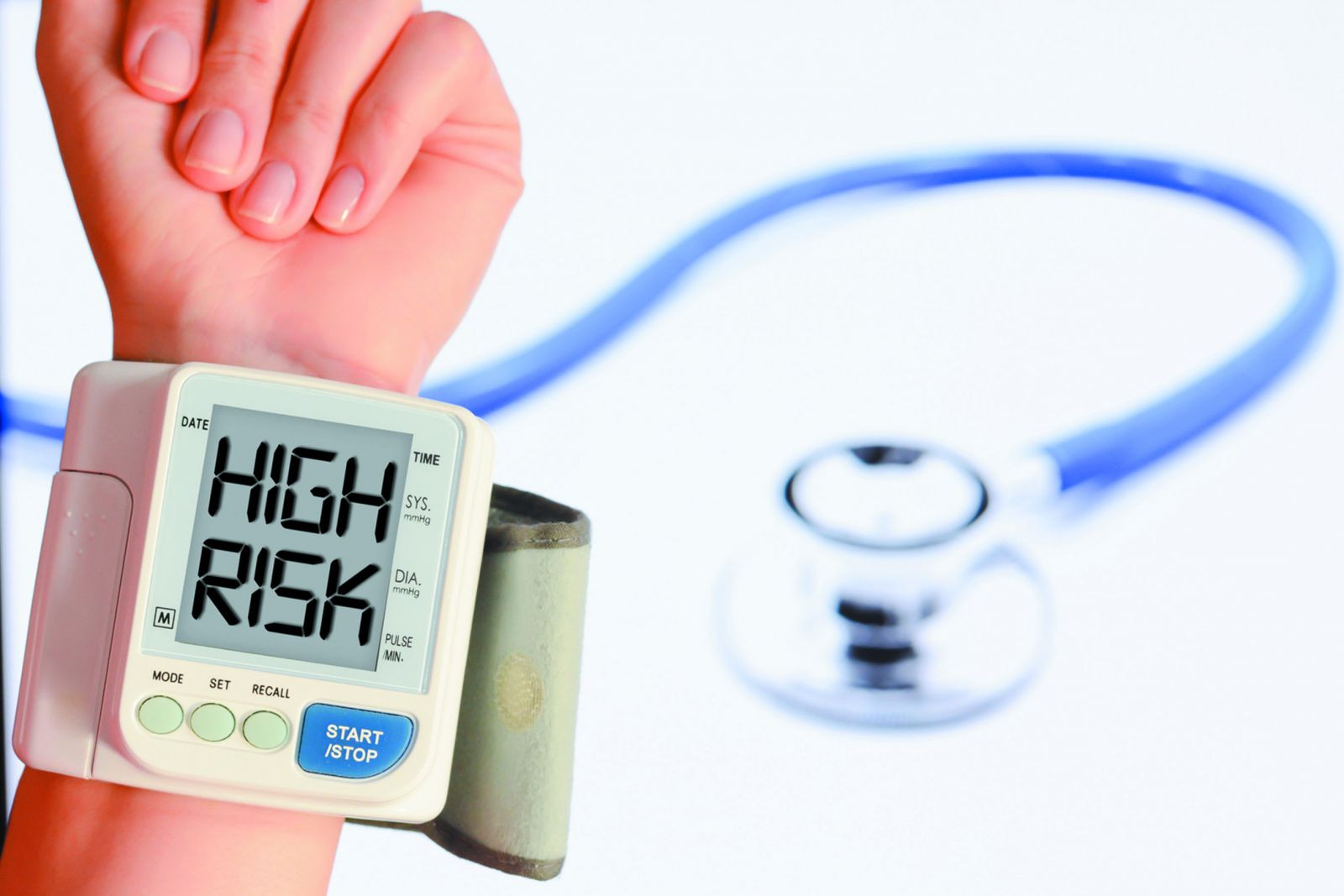
A silent heart threat may actually be endangering your brain
Want to keep your mind sharp? Be aggressive about treating your high blood pressure.
Image: © adrian825/Thinkstock
If you're like a lot of people, you probably think of your heart when you think about blood pressure. But you should also think about your mind.
"High blood pressure is not just a disease or condition. It's actually a risk factor. It's a risk factor for heart disease and stroke, and it's a risk factor for cognitive decline and dementia," says Dr. Natalia Rost, a stroke neurologist at Massachusetts General Hospital and associate professor of neurology at Harvard Medical School.
Naturally gluten-free foods
Harvard study: Healthier fats linked to longer life after prostate cancer diagnosis
Shingrix shingles vaccine linked with lower heart disease risks
Estrogen-only hormone therapy tied to lower dementia risk
Should you have a hysterectomy?
Stair climbing may significantly lower cardiovascular risks
Why do I sweat so much?
Walking pneumonia: The "mild" illness that can still pack a punch
What causes knee pain: How doctors make a diagnosis
Where you carry excess weight matters in predicting heart disease risk
Free Healthbeat Signup
Get the latest in health news delivered to your inbox!
Sign Up
