

Naturally gluten-free foods

Harvard study: Healthier fats linked to longer life after prostate cancer diagnosis

Shingrix shingles vaccine linked with lower heart disease risks

Estrogen-only hormone therapy tied to lower dementia risk

Should you have a hysterectomy?

Stair climbing may significantly lower cardiovascular risks

Why do I sweat so much?

Walking pneumonia: The "mild" illness that can still pack a punch

What causes knee pain: How doctors make a diagnosis

Where you carry excess weight matters in predicting heart disease risk
Brain health Archive
Articles
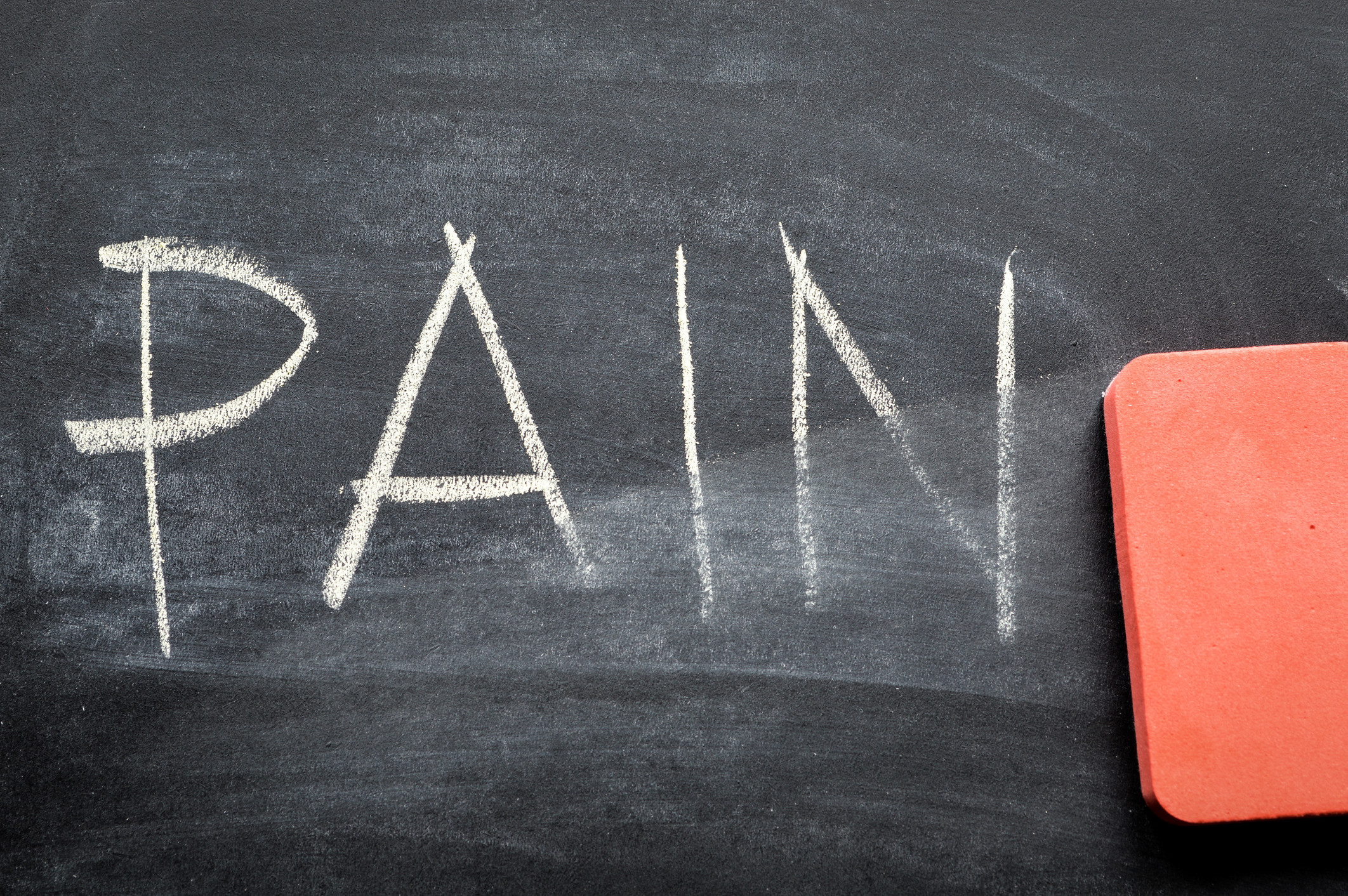
Lessons from a chronic pain management program
Comprehensive programs for chronic pain involve a variety of components, from body mechanics to nutrition to occupational therapy and beyond. And while there is no easy fix for chronic pain, and sometimes no permanent fix at all, unexpected victories can be made in the search for answers.

Can getting quality sleep help prevent Alzheimer’s disease?
Sleep gives the brain the opportunity to rid itself of proteins believed to contribute to the development of Alzheimer’s disease, and now research is showing an association between poor sleep and the accumulation of those proteins.

Alzheimer’s wake-up call
Can getting quality sleep help prevent the disease?
Image: © Monkey Business Images/Thinkstock
A good night's sleep does more than rejuvenate you for the next day. It may help protect you against Alzheimer's disease. Research has begun to show an association between poor sleep and a higher risk of accumulating beta-amyloid protein plaque in the brain, one of the hallmarks of the disease.
"Observational studies have found that adults over age 65 with amyloid plaques in their brain have reduced slow-wave sleep, which is thought to play an important role in memory function, even though these people do not yet show signs of Alzheimer's, like memory loss and cognitive decline," says Dr. Brad Dickerson, associate professor of neurology at Harvard Medical School. "It may be that quality sleep could play a role in who may get Alzheimer's."

Better habits, better brain health
Exercising, maintaining good health, socializing, and learning new information may help keep you sharper, longer.
Everyone wants to live an active, vibrant life for as long as possible. And that goal depends on robust brain health. While we don't have a guaranteed way to prevent dementia, we do have increasing evidence that engaging in healthy lifestyle habits may help.
For example, a 2015 randomized controlled trial from Finland suggested that older adults with a number of healthy habits — such as eating a healthy diet, exercising regularly, and socializing — improved or maintained thinking skills and reduced the risk of cognitive decline.

Moderate drinking linked to decline in thinking skills
News briefs
Image: © Andy Dean/Thinkstock
Many studies have suggested that drinking alcohol in moderation — one drink per day for women, one or two drinks per day for men — may offer some protection against heart disease. But a study published June 6, 2017, in The BMJ suggests that moderate alcohol drinking may not protect the brain. Researchers studied over 500 men and women, average age 43, who reported the number and size of alcoholic drinks they had each day. Participants underwent tests of their thinking skills periodically and had MRI scans of their brains at the end of the study. A typical drink was considered to be a 12-ounce beer or a 5-ounce glass of wine. The results after 30 years: drinking just over seven typical drinks or less each week did not appear to either hurt or protect brain health. But drinking eight drinks or more per week was associated with shrinkage in the hippocampus (important to memory) and deterioration of white matter (part of the brain's internal wiring), both of which are associated with decline in thinking skills. The study was observational and did not prove that drinking alcohol caused mental decline. The jury is still out, but this study suggests that it would be wise to avoid averaging more than one alcoholic drink per day.

A salad a day keeps stroke away?
Research we're watching
Image: © pilipphoto/Thinkstock
New research suggests that eating plenty of nitrate-rich vegetables — such as lettuce, spinach, and beets — may lower your risk of dying of a stroke or heart attack.
During digestion, your body converts nitrates into nitric oxide. This compound relaxes and widens blood vessels, which helps lower blood pressure. But does that translate to a longer life? To find out, researchers studied the diets of 1,226 older women who had no signs of fatty plaque in their arteries (atherosclerosis) and tracked them for 15 years.


What causes ice cream headache?
Q. What exactly happens when I eat something cold and get an ice cream headache? Is it harmful in any way?
A. Ice cream headache, also known as "brain freeze" or cold-stimulus headache, is a headache some people get when they consume a cold food or beverage quickly. The pain is usually in the forehead or both temples, and it usually lasts less than five minutes.

Does diet soda raise stroke risk?
Some studies suggest a possible link. But don't switch to regular sugary sodas — try infused water instead.
For diet soda fans, recent news reports linking these popular drinks to a higher risk of stroke may have been alarming. A closer look at the study behind the headlines suggests there's no need to panic. But beverages naturally low in calories are probably a healthier option than artificially sweetened drinks.
For starters, observational studies like this one (see "Diet soda and the brain: The latest findings") cannot prove cause and effect. Also, only 97 people had strokes during the 10-year follow-up, which means only two or three of those strokes could possibly be attributed to drinking diet soda, says Dr. Kathryn Rexrode, an associate professor of medicine at Harvard-affiliated Brigham and Women's Hospital who co-authored an earlier, larger study looking at soda consumption and stroke risk.

Midlife depression probably not a risk factor for dementia
In the journals
A study published online May 17, 2017, by JAMA Psychiatry found that while depression symptoms later in life were associated with dementia, having symptoms in midlife was not. The findings indicate that depression may not be a risk factor for dementia as previously thought, according to the researchers. In the study, about 10,000 people (two-thirds of them men), ages 35 to 55, were recruited and followed for 28 years. Those who reported chronic or recurring depression symptoms at the study's beginning did not show a significant increased risk of developing dementia by the study's end. However, those who reported depression symptoms within the final 11 years of the study were twice as likely to be diagnosed with dementia.
The researchers said that if depression symptoms were a true risk factor for dementia, there would be an association with people who had symptoms earlier in life and not just later. They concluded that depression later in life instead might be an early sign of dementia.
Naturally gluten-free foods
Harvard study: Healthier fats linked to longer life after prostate cancer diagnosis
Shingrix shingles vaccine linked with lower heart disease risks
Estrogen-only hormone therapy tied to lower dementia risk
Should you have a hysterectomy?
Stair climbing may significantly lower cardiovascular risks
Why do I sweat so much?
Walking pneumonia: The "mild" illness that can still pack a punch
What causes knee pain: How doctors make a diagnosis
Where you carry excess weight matters in predicting heart disease risk
Free Healthbeat Signup
Get the latest in health news delivered to your inbox!
Sign Up
