

Naturally gluten-free foods

Harvard study: Healthier fats linked to longer life after prostate cancer diagnosis

Shingrix shingles vaccine linked with lower heart disease risks

Estrogen-only hormone therapy tied to lower dementia risk
Should you have a hysterectomy?

Stair climbing may significantly lower cardiovascular risks

Why do I sweat so much?

Walking pneumonia: The "mild" illness that can still pack a punch

What causes knee pain: How doctors make a diagnosis

Where you carry excess weight matters in predicting heart disease risk
Brain health Archive
Articles

Do you know how to respond to a ministroke?
News briefs
A ministroke, or transient ischemic attack (TIA), occurs when blood flow to part of the brain is blocked temporarily. It often causes one or two symptoms of a full-blown stroke — such as sudden face drooping, arm or leg weakness, confusion, slurred speech, or terrible headache — and typically lasts just a few minutes. If you've had a TIA, you are at much higher risk for subsequently suffering a full-blown stroke. So when you have symptoms that might indicate a TIA — or a full-blown stroke — call 911. You may need brain imaging to tell whether a stroke has occurred and what type of stroke it is, so you can get immediate treatment for a stroke. If it's a TIA, you may need additional treatments to prevent a future stroke. Unfortunately, most people who experience symptoms of ministrokes don't call 911 for help, according to results of a survey from the American Heart Association/American Stroke Association (AHA/ASA), published online May 1, 2017. Of the 2,000 people who took the AHA/ASA survey, about 35% said they'd experienced a TIA symptom. But only 3% of that group called 911. As a result, some likely suffered preventable permanent brain damage.

Can drinking tea prevent dementia?
In the journals
Image: © jimfeng/Thinkstock
A study in the December 2016 Journal of Nutrition, Health & Aging showed that drinking tea frequently is associated with a lower risk of dementia, especially for people who are genetically predisposed to the disease.
Researchers followed 957 older adults, average age 65, who were part of the Singapore Longitudinal Aging Study. Of these, 69% drank tea on a frequent basis. After a five-year period, the researchers found that the tea drinkers had a 50% lower risk of dementia. This is consistent with earlier findings that showed tea consumers scored higher on various cognitive tests.

Can your blood pressure be too low?
Recent findings raise concerns about lowering diastolic blood pressure — the second number in your blood pressure reading — too far.
Image: © Wavebreakmedia/Thinkstock
More of us than ever before are taking medications to lower our blood pressure. Longstanding guidelines suggest that most people should aim for a systolic blood pressure (the first number in a reading) no higher than 140 millimeters of mercury (mm Hg). But in 2015, the results of the Systolic Blood Pressure Intervention Trial (SPRINT) suggested that reaching a target of 120 mm Hg could further reduce the risks associated with high blood pressure, including heart attack, stroke, heart failure, and death.
Yet reaching that lower target often requires three blood pressure medications, which can increase the likelihood of side effects. Two observational studies and one clinical trial have raised concerns about lowering blood pressure — particularly diastolic pressure — too far. Diastolic blood pressure (the second number in a reading) represents the pressure between beats when the heart relaxes. "When your systolic blood pressure gets too low, it can manifest as lightheadedness, fainting, and weakness. But low diastolic pressure by itself doesn't have any symptoms," says Dr. Paul Conlin, professor of medicine at Harvard Medical School and chief of medicine at the VA Boston Healthcare System.
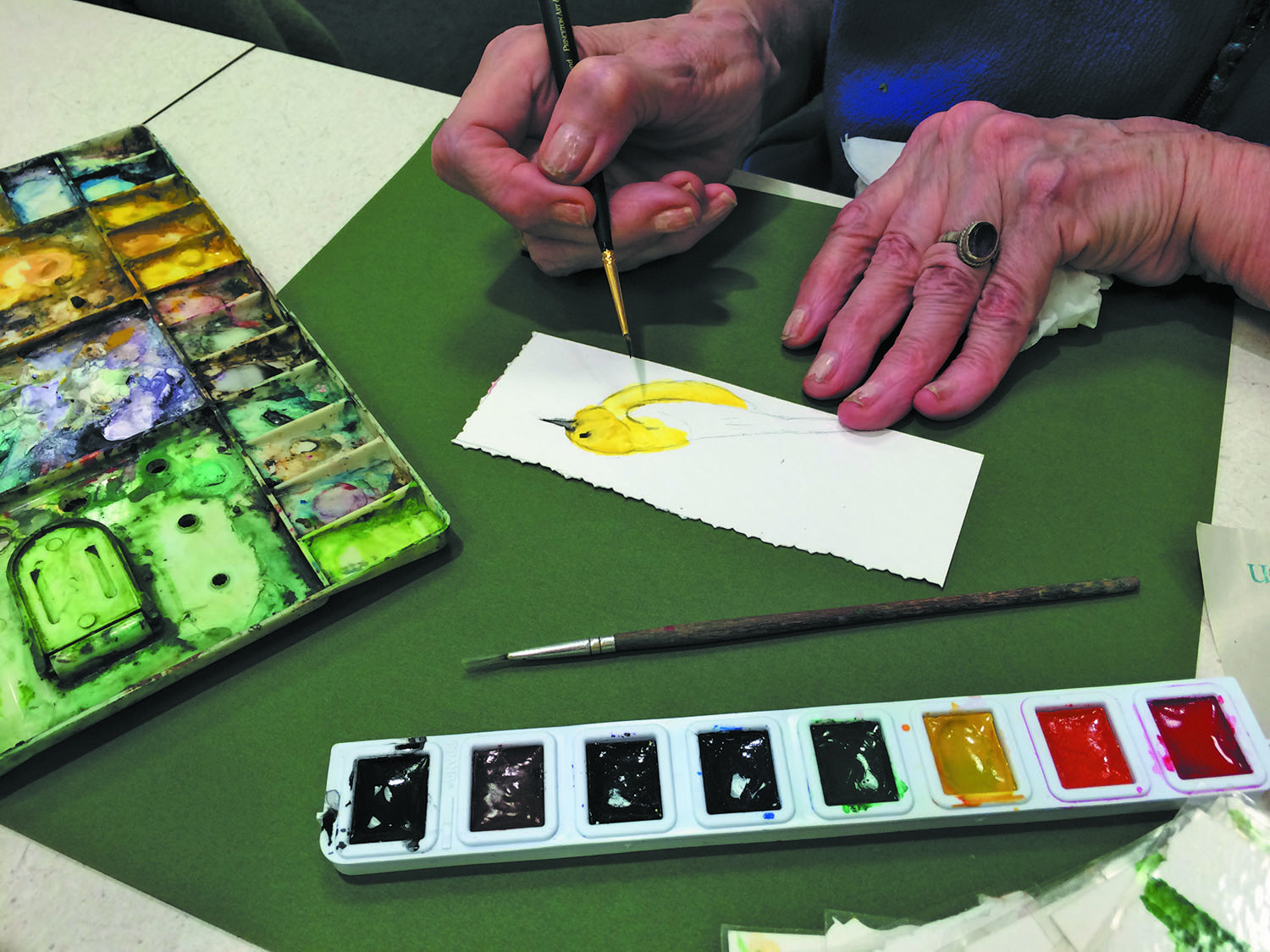
The healing power of art
Creative activities can relieve stress, aid communication, and help arrest cognitive decline.
Image: © Katherine A. Gallagher Integrative Therapies Art Therapy Program at the Mass. General Cancer Center
The title of a recent documentary film, I Remember Better When I Paint, sums up the findings of a growing body of research into the cognitive effects of making art. The movie demonstrates how drawing and painting stimulated memories in people with dementia and enabled them to reconnect with the world. People with dementia aren't the only beneficiaries. Studies have shown that expressing themselves through art can help people with depression, anxiety, or cancer, too. And doing so has been linked to improved memory, reasoning, and resilience in healthy older people.

Recognizing the most common warning signs of a stroke
Three telltale symptoms occur in 75% of all strokes, often in combination. Don't ignore them — even if they're short-lived.
Image: © American Heart/Thinkstock
Every 40 seconds, someone in the United States has a stroke. Also known as "brain attacks," strokes result from an injury to a blood vessel that limits blood flow to part of the brain. Rapid diagnosis and treatment can prevent potentially devastating disability or death — which is why everyone should know the common warning signs of a stroke.
In 2013, the American Stroke Association unveiled a stroke awareness campaign based on the mnemonic FAST. Around that the time, a national survey suggested that 28% of Americans didn't know any stroke symptoms, and nearly half weren't sure what to do if they experienced or witnessed the symptoms of a stroke. But four years later, things seem to be improving.
Looking for early signs of Alzheimer’s
By the time memory loss shows up, the disease is well under way. Researchers are finding ways that may reveal brain changes sooner.
For a long time, memory loss was seen as the telltale sign of Alzheimer's disease. While this is certainly the most common symptom, it may not be the best way to identify the disease in its early stages.
"A major problem of Alzheimer's diagnosis, and ultimately effective treatment, is that by the time the first clinical symptoms appear, irreversible damage to the brain has already occurred," says Dr. Seth Gale, a neurologist with Harvard-affiliated Brigham and Women's Hospital. "It is now believed that Alzheimer's-related changes begin in the brain at least a decade before any symptoms emerge."
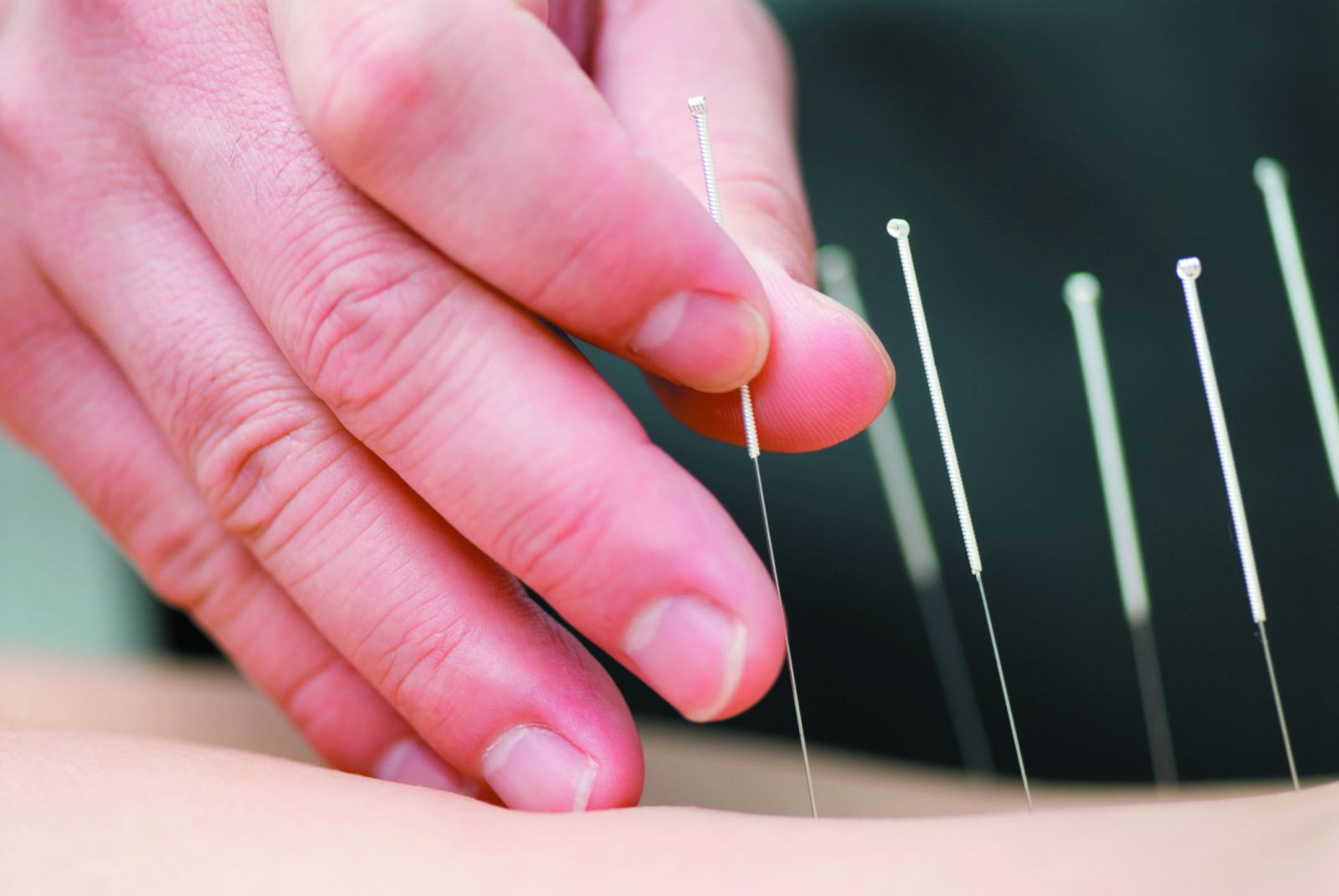
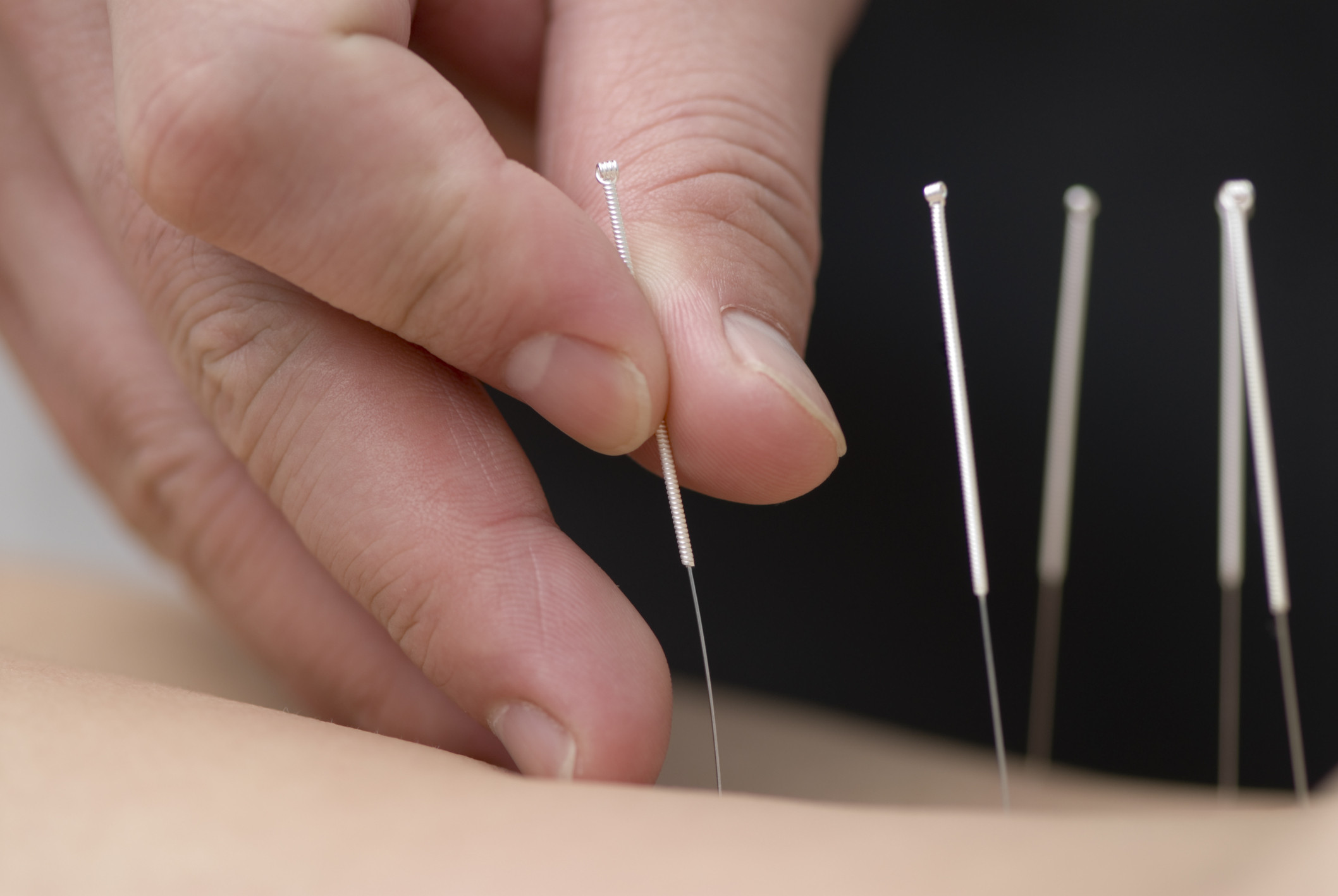
The finer points of acupuncture
This ancient practice can be used alone or with conventional therapy to help ease your pain.
Image: © zilli/Thinkstock
Men looking for an easy and effective means to manage pain should consider acupuncture.
"There are many different types of pain — neuropathic, muscular, degenerative joint — all of which can make management complex," says Hugo Lopez, a licensed acupuncturist with Harvard-affiliated Massachusetts General Hospital Cancer Center. "Sometimes you need to treat not just the physical components, but also the psychological ones, and that is where acupuncture can help, as it addresses both problems."
Vitamin E and selenium may not lower risk of dementia
In the journals
Much research has shown that oxidative stress plays a key role in the development of neurodegenerative disorders, such as Alzheimer's and Parkinson's disease. As a result, antioxidant supplements like vitamin E and selenium have been proposed to prevent dementia. Yet a new study on older men published online March 20, 2017, by JAMA Neurology found no evidence they can help.
The Prevention of Alzheimer's Disease by Vitamin E and Selenium clinical trial included 7,540 men, average age of 67. Over a five-year period, the men were randomly assigned to receive 400 international units of vitamin E each day, 200 micrograms of selenium, both supplements, or a placebo. The supplements were stopped and 3,786 of these men agreed to be followed for an additional six years. They were routinely screened for cognitive problems and encouraged to see their doctor if the results suggested any kind of cognitive impairment.
Naturally gluten-free foods
Harvard study: Healthier fats linked to longer life after prostate cancer diagnosis
Shingrix shingles vaccine linked with lower heart disease risks
Estrogen-only hormone therapy tied to lower dementia risk
Should you have a hysterectomy?
Stair climbing may significantly lower cardiovascular risks
Why do I sweat so much?
Walking pneumonia: The "mild" illness that can still pack a punch
What causes knee pain: How doctors make a diagnosis
Where you carry excess weight matters in predicting heart disease risk
Free Healthbeat Signup
Get the latest in health news delivered to your inbox!
Sign Up
