

Naturally gluten-free foods

Harvard study: Healthier fats linked to longer life after prostate cancer diagnosis

Shingrix shingles vaccine linked with lower heart disease risks

Estrogen-only hormone therapy tied to lower dementia risk

Should you have a hysterectomy?

Stair climbing may significantly lower cardiovascular risks

Why do I sweat so much?

Walking pneumonia: The "mild" illness that can still pack a punch

What causes knee pain: How doctors make a diagnosis

Where you carry excess weight matters in predicting heart disease risk
Brain health Archive
Articles

Recognizing stroke early
Early treatment of the most common type of stroke, ischemic stroke, can limit brain damage and vastly improve outcomes. Ischemic stroke is the kind caused by atherosclerosis, which causes blood clots that block the blood supply to a part of the brain. Yet too few ischemic stroke patients receive important clot-busting drugs, which are most effective when given within three hours after symptoms start. Patients often arrive at the hospital after that window of opportunity has closed. They delay getting treatment because stroke symptoms may not be that pronounced or they are mistaken as coming from other, less serious problems.
As a result, doctors are looking for ways to make it easier for the layperson to identify a stroke. The Cincinnati Prehospital Stroke Scale is one such attempt. Some experts say it leaves out too many symptoms. Others say it will cause false alarms because it's not specific enough..

Afib stroke prevention: Go set a Watchman?
Most people with atrial fibrillation take anti-clotting drugs to prevent strokes. For those who cannot take these drugs because of a high risk of bleeding, a tiny, basket-like device implanted in the part of the heart that traps clots may be an alternative.

Another way to think about dementia
Vascular dementia is a less prevalent type of memory loss that nonetheless affects many older men.
Image: Mike Watson Images/Thinkstock
While Alzheimer's disease continues to be the most recognized type of dementia, older men should also be mindful about the second most common: vascular dementia.
In vascular dementia, memory problems result from damage to large and small blood vessels in the brain. It develops when cholesterol-clogged blood vessels can't deliver enough oxygen to the brain. Small blockages deprive some brain cells of oxygen, which causes a series of small strokes that kill brain cells. This can lead to episodes of confusion, slurred speech, and problems thinking or remembering.

Loneliness may be a marker for Alzheimer’s disease
Older adults who report feeling lonely had a greater risk of testing positive for high amyloid levels in the brain, a marker of Alzheimer’s disease, according to research from the Harvard Aging Brain Study.

A healthy lifestyle may help you sidestep Alzheimer’s
By now it’s evident that healthy lifestyle habits have clear benefits, and evidence suggests that keeping Alzheimer’s disease at bay may eventually be added to the list. Data are strongest for regular exercise, a Mediterranean diet, and sufficient sleep as important ways to reduce the risk of Alzheimer’s. Other lifestyle choices may help as well.
What is a lacunar stroke?
Lacunar strokes, which account for about one-fifth of all strokes, occur in small arteries deep within the brain. Although these strokes may not cause symptoms, those that do may cause weakness in the face, arm, or leg on one side of the body.
Weight-related stroke risk varies for different stroke types, analysis finds
In an observational study of 1.3 million women, excess weight was linked to an increased risk of strokes caused by blood clots but a lower risk of strokes caused by bleeding.

FDA approves a one-two punch for some strokes
The FDA has approved use of a clot-retrieving device along with a clot-busting drug on stroke patients, as long it’s within six hours of the onset of stroke symptoms.
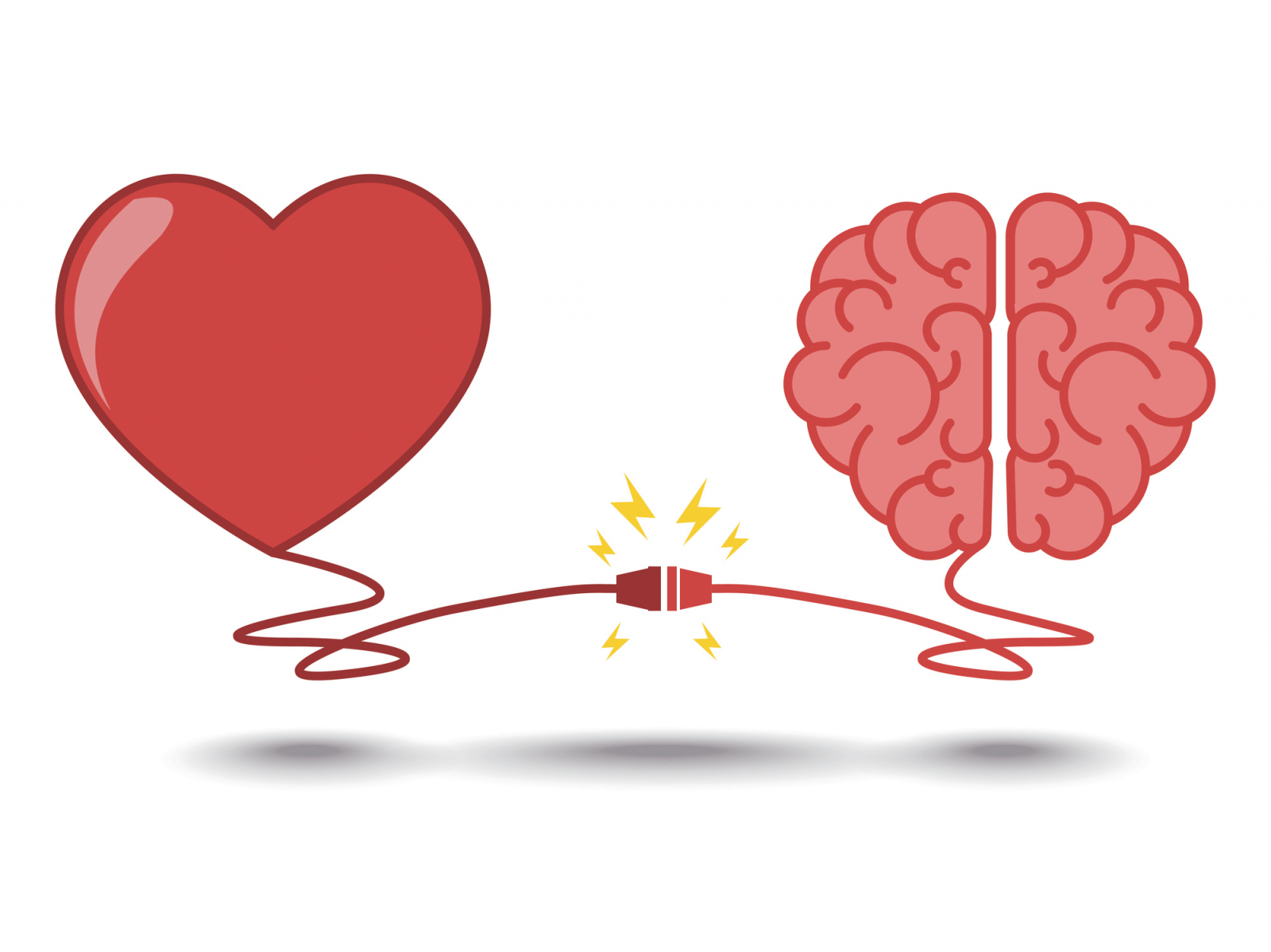
Heart disease and brain health: Looking at the links
Poor blood flow in the brain can chip away at thinking skills.
Image: RootsBeforeBranches/Thinkstock
Just like in the rest of your body, advancing years can take a toll on your brain function. Much of this slowing down is predictable and can be chalked up to normal aging. However, when thinking skills become increasingly fuzzy and forgetfulness gets to be a way of life, an early form of dementia known as mild cognitive impairment may be setting in (see "Normal aging vs. mild cognitive impairment").
Often, the first reaction is to attribute these changes to the beginning of Alzheimer's disease. But blood flow problems may be to blame, as well. "An estimated one-third of all cases of dementia, including those identified as Alzheimer's, can be attributed to vascular factors," says Dr. Albert Hofman, chair of the department of epidemiology at the Harvard T.H. Chan School of Public Health.

Is there an early warning test for stroke?
Strokes seem to come out of the blue. But most of them happen due to decades-long damage to blood vessels and growth of artery-clogging plaque. That raises the question: Is there an early warning test for stroke?
Yes and no. A test called the carotid ultrasound can detect the buildup of cholesterol-filled plaque in the carotid arteries in the neck. These arteries deliver blood to the brain. The test, which uses sound waves, is quick, safe, and without any immediate potential for harm. It makes perfect sense for someone experiencing lightheadedness, memory loss, or the warning signs of a stroke or mini-stroke.
Naturally gluten-free foods
Harvard study: Healthier fats linked to longer life after prostate cancer diagnosis
Shingrix shingles vaccine linked with lower heart disease risks
Estrogen-only hormone therapy tied to lower dementia risk
Should you have a hysterectomy?
Stair climbing may significantly lower cardiovascular risks
Why do I sweat so much?
Walking pneumonia: The "mild" illness that can still pack a punch
What causes knee pain: How doctors make a diagnosis
Where you carry excess weight matters in predicting heart disease risk
Free Healthbeat Signup
Get the latest in health news delivered to your inbox!
Sign Up
