

Naturally gluten-free foods

Harvard study: Healthier fats linked to longer life after prostate cancer diagnosis

Shingrix shingles vaccine linked with lower heart disease risks

Estrogen-only hormone therapy tied to lower dementia risk
Should you have a hysterectomy?

Stair climbing may significantly lower cardiovascular risks

Why do I sweat so much?

Walking pneumonia: The "mild" illness that can still pack a punch

What causes knee pain: How doctors make a diagnosis

Where you carry excess weight matters in predicting heart disease risk
Brain health Archive
Articles

Over-the-counter drugs may be linked to memory decline
A class of drugs commonly used in over-the-counter and prescription drugs to treat such problems as insomnia, diarrhea, high blood pressure, depression, and urinary incontinence may be linked to cognitive impairment. Scientists believe the drugs block the neurotransmitter acetylcholine that helps process information, which scientists believe is responsible for the effect.

Loneliness has same risk as smoking for heart disease
Loneliness and social isolation raises your risk of heart attack, stroke, and even early death, says a new study. The risk was similar to light smoking or obesity.
Prompt attention to “ministrokes” may reduce risk of subsequent stroke
Getting immediate attention for symptoms of a transient ischemic attack can minimize the risk of a subsequent stroke.

How to handle a headache
Intermittent tension-type headaches may seem like a consequence of everyday life. Yet you can minimize and even prevent them.
Tension-type headaches can be annoying, but they can often be nipped in the bud by using nonprescription pain relievers.
Image: Digital vision/Thinkstock
Compared to migraines, tension-type headaches are a mere annoyance. They tend to be relatively mild and usually aren't accompanied by nausea or oversensitivity to light or sounds. Yet they can occasionally disrupt your day, making it difficult to concentrate on work or enjoy leisure pastimes.
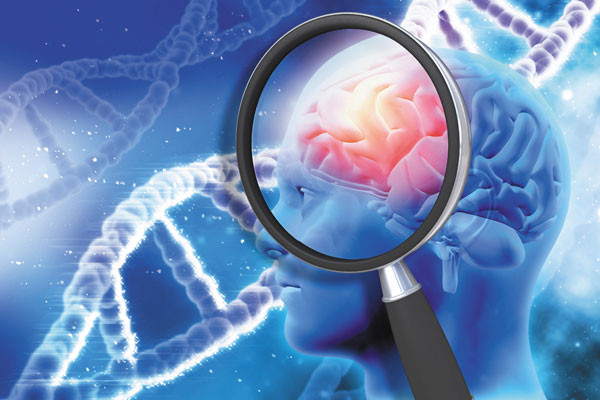
The genetic link between Alzheimer's and heart disease
Knowing you have a gene variant that may raise your risk can be distressing. But new research reveals a silver lining.
A particular gene variant that affects cholesterol levels in the blood may influence a person’s risk of both Alzheimer’s and heart disease.
Image: kirstyparueter/Thinkstock
Alzheimer's disease strikes fear in people's hearts, as it gradually erodes a person's ability to remember, think, and learn. There is no cure, and available treatments alleviate symptoms only temporarily. Yet while an estimated 5.3 million Americans currently have Alzheimer's disease, this brain disorder is far less common than heart disease. More than 85 million people in the United States are living with some form of cardiovascular disease or the aftereffects of stroke, which also affects brain function.
Ask the Doctor: Can we prevent this type of dementia?
Q. Do you think we'll ever be able to prevent Alzheimer's disease?
A. I do. Not because I'm an optimist (though I am) but because of the results of research in the past 25 years.
Negative views of aging linked with increased risk of Alzheimer's
A negative attitude about aging appears to be associated with a higher likelihood of Alzheimer's disease.
A study in the journal Psychology and Aging examined healthy, dementia-free subjects from the Baltimore Longitudinal Study of Aging, the nation's longest-running scientific study of aging.
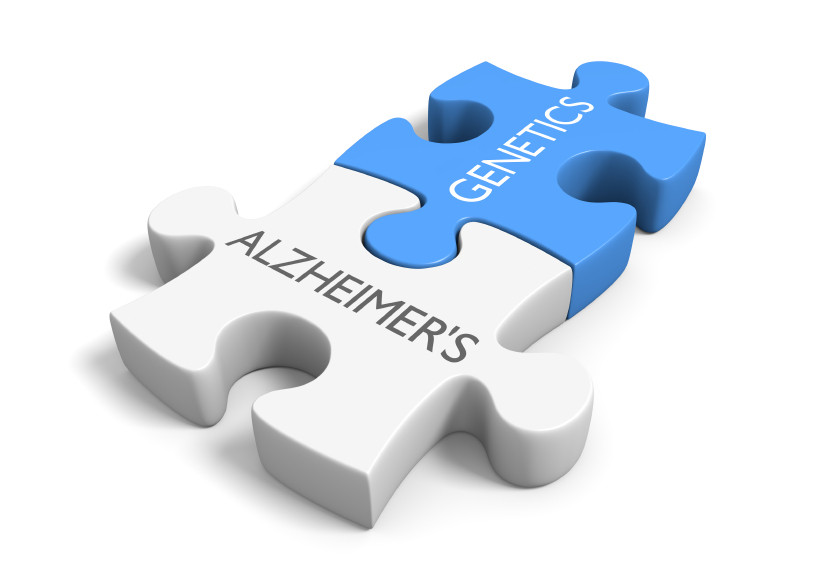
A twist on the genetic link between Alzheimer’s and heart disease
Although the two conditions seem unrelated, Alzheimer’s and heart disease actually share a genetic link. People who have a certain gene variant have both a somewhat elevated heart disease risk and a significantly elevated Alzheimer’s risk. Fortunately, a recent study has suggested that when people know they have this variant, they’re more likely to make healthy lifestyle choices that benefit their heart — and what’s good for the heart is good for the brain.

Can a heartburn drug cause cognitive problems?
Many older adults take PPIs to treat heartburn, GERD, or stomach ulcers. Recently, a new study identified a link between chronic PPI use and an increased risk for dementia. If you take a PPI, check in with your doctor — you may be able to take it only when you have symptoms, not continuously (and this kind of usage was not associated with a dramatically increased dementia risk in the study).

Tips to get the most from your memory
As you've gotten older, have you noticed that you often find yourself marching around the house in a huff, searching for misplaced car keys or eyeglasses, or you just cannot remember the name of that new neighbor you met when walking the dog? It's frustrating, to be sure, but not inevitable — and there are things you can do to help keep your memory sharp.
"Most people get a little more forgetful with aging, but there are some simple things you can do to prevent memory slips and help your brain to learn and remember better," says Dr. Anne Fabiny, chief of geriatrics at Cambridge Health Alliance and an assistant professor of medicine at Harvard Medical School.
Naturally gluten-free foods
Harvard study: Healthier fats linked to longer life after prostate cancer diagnosis
Shingrix shingles vaccine linked with lower heart disease risks
Estrogen-only hormone therapy tied to lower dementia risk
Should you have a hysterectomy?
Stair climbing may significantly lower cardiovascular risks
Why do I sweat so much?
Walking pneumonia: The "mild" illness that can still pack a punch
What causes knee pain: How doctors make a diagnosis
Where you carry excess weight matters in predicting heart disease risk
Free Healthbeat Signup
Get the latest in health news delivered to your inbox!
Sign Up
