

Naturally gluten-free foods

Harvard study: Healthier fats linked to longer life after prostate cancer diagnosis

Shingrix shingles vaccine linked with lower heart disease risks

Estrogen-only hormone therapy tied to lower dementia risk
Should you have a hysterectomy?

Stair climbing may significantly lower cardiovascular risks

Why do I sweat so much?

Walking pneumonia: The "mild" illness that can still pack a punch

What causes knee pain: How doctors make a diagnosis

Where you carry excess weight matters in predicting heart disease risk
Brain health Archive
Articles

Exercise: A promising treatment for dementia?
| Image: Thinkstock |
We know that moderate-intensity exercise, such as brisk walking, can both improve thinking skills and slow their decline in older age. Now a trio of studies presented at the July 2015 Alzheimer's Association International Conference suggest that aerobic exercise may even be able to help protect your brain from Alzheimer's and other dementias, and improve your quality of life if you have the disease. One study of 200 adults with Alzheimer's showed that those who engaged in three hour-long exercise sessions a week for 16 weeks had less anxiety, irritability, and depression and better mental speed and attention compared with those who didn't exercise. A study of 65 sedentary older adults with mild cognitive impairment showed that those who took part in 45 to 60 minutes of aerobic exercise four times a week for six months not only had better attention and planning skills, but also better blood flow to the brain and a reduction in dangerous proteins associated with Alzheimer's disease, compared with those who only did stretching exercises. A study of 71 older adults with cognitive impairment due to vascular disease found that those who did an hour of aerobic exercise three times per week for six months improved their thinking skills, memory, and attention compared with those who did not exercise. Although the studies were presented at a scientific meeting, it's only after publication of the full details that scientists can adequately judge a work. Nevertheless, the studies are in line with past research showing that regular exercise may help protect the brain.

Getting closer to understanding how exercise keeps brains young
A new study published in PLOS One, looked at oxygen related changes and nerve processing in the brain, features that have shown to correlate with better memory and brain function as people age. It found that people with higher fitness levels were the same ones that were more physically active during the week. They were also the same people who showed more positive oxygen related changes and MRI findings consistent with faster nerve processing in the brain. Though there isn’t an exact exercise prescription to guide how long and hard we should exercise, the results of this study and many others, show even low intensity activity for an hour a day is much better for the brain than sitting on the couch.
Must-have high-tech tools for caregivers
|
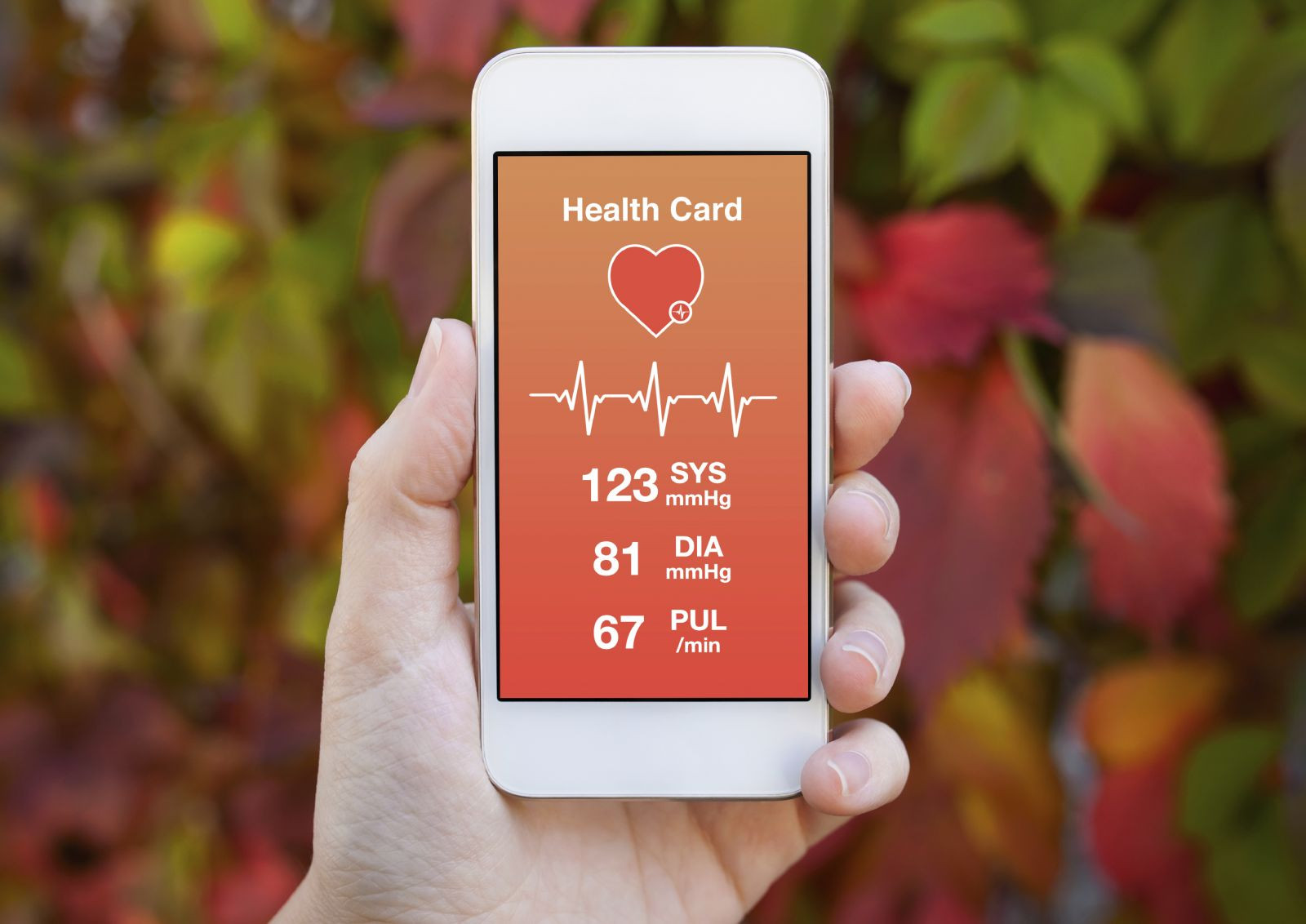
When you are caring for someone who is ill, elderly, or disabled, it's important to consider how you'll handle those times when you can't be with your loved one in person. Thankfully, today's technology offers options that can help you keep track of your loved one's safety and well-being.
Most people are familiar with the emergency response system known as Lifeline. Experts call devices and systems like Lifeline "telecare." But there's much more to telecare than emergency assistance. Today, there are a multitude of telecare devices that can help you stay informed of your loved one's activities and needs in real time.

5 ways to care for yourself while caring for a loved one
Image: iStock |
Caring for an aging parent or a loved one who is ill or disabled is often deeply rewarding. But it can also consume a lot of time, as well as physical and emotional energy. You may feel overwhelmed by myriad responsibilities — home, work, other family needs, and caregiving. But it's just as important to care for yourself before you burn out. Try our five tips below to help rejuvenate yourself.
1. Recruit help: You don't have to "do it all" yourself. In fact, it's best to have more than one person involved in caregiving. Whether it's accompanying your loved one to appointments, helping with housework, or cooking dinner one night a week, ask other family members to lend a hand. And if someone asks if he or she can pitch in, don't be afraid to say yes!

Secondhand smoke boosts stroke risk
| Image: iStock |
Being near a smoker forces you to breathe what that person exhales as well as what wafts from the burning end of the cigarette. This so-called secondhand smoke has been linked to a host of health problems, including lung cancer, heart attack, and stroke. Now, a large study further validates earlier research about the risk of stroke caused by secondhand smoke.
The study, published online June 16 by the American Journal of Preventive Medicine, included nearly 22,000 people ages 45 and older. Almost a quarter of the participants reported secondhand smoke exposure, which was defined as more than one hour per week in close contact with a smoker. After adjustment for other stroke risk factors, there was a 30 percent increase in the overall risk of stroke among people exposed to secondhand smoke.

Low-dose aspirin for people with heart disease
If you have heart disease, national guidelines recommend that you take a low-dose (81-mg) aspirin every day. It's an inexpensive and effective way to lower your risk of a heart attack or stroke. According to a report in the July 17 Morbidity and Mortality Weekly Report, about seven in 10 adults with heart disease follow this advice.
The study relied on telephone surveys done by the CDC about health behaviors. It included data from more than 17,900 adults from 20 states and the District of Columbia.
Traffic noise may raise stroke risk
A constant drone of low-level traffic noise may slightly raise your risk of cardiovascular disease, according to British researchers.
The study included data from the nearly 450,000 people admitted to London hospitals with cardiovascular disease over an eight-year period. Researchers estimated how much traffic noise these people were exposed to, day and night.

How to avoid a disabling stroke
Strokes hit women hard. Self-care is key to preventing a stroke and minimizing the damage if you have one.
This year an estimated 425,000 women will have a stroke, and 55,000 will die from one. Women are more likely than men to have strokes, and they are also more likely to be disabled or to die from them.
Stroke risk when you have atrial fibrillation
Now we have a better tool to calculate your chance of a brain attack if you've been diagnosed with afib.
Atrial fibrillation (afib) is among the most common heart rhythm irregularities. During a bout of afib, the usually rhythmic contractions of the heart muscle's upper chambers (the atria) are replaced by an ineffectual quiver that does not completely move blood out of the heart chamber. As a result, blood can stagnate and form clots. These clots can then travel to the brain and cause an ischemic stroke.

When the blood supply to the kidneys suffers
The renal arteries, which supply blood to the kidneys, can become narrowed or blocked—a condition known as renal artery stenosis. Image: Thinkstock |
Fatty plaque in the arteries that feed the kidneys poses a danger to the heart and brain.
Naturally gluten-free foods
Harvard study: Healthier fats linked to longer life after prostate cancer diagnosis
Shingrix shingles vaccine linked with lower heart disease risks
Estrogen-only hormone therapy tied to lower dementia risk
Should you have a hysterectomy?
Stair climbing may significantly lower cardiovascular risks
Why do I sweat so much?
Walking pneumonia: The "mild" illness that can still pack a punch
What causes knee pain: How doctors make a diagnosis
Where you carry excess weight matters in predicting heart disease risk
Free Healthbeat Signup
Get the latest in health news delivered to your inbox!
Sign Up
