

Naturally gluten-free foods

Harvard study: Healthier fats linked to longer life after prostate cancer diagnosis

Shingrix shingles vaccine linked with lower heart disease risks

Estrogen-only hormone therapy tied to lower dementia risk
Should you have a hysterectomy?

Stair climbing may significantly lower cardiovascular risks

Why do I sweat so much?

Walking pneumonia: The "mild" illness that can still pack a punch

What causes knee pain: How doctors make a diagnosis

Where you carry excess weight matters in predicting heart disease risk
Brain health Archive
Articles

Low-dose aspirin might not benefit healthy adults
Research we're watching
Image: © dszc/Getty Images
Taking a low-dose aspirin every day could bring more risks than health benefits to healthy older adults, according to three papers from a single study, published online September 16 by The New England Journal of Medicine. The study, which began in 2010, included more than 19,000 adults ages 65 and older in the United States and Australia, who were free of cardiovascular disease, dementia, or disability, and followed participants for 4.7 years on average. Researchers found that treatment with a daily low-dose aspirin did not prevent dementia or disability. And rates of cardiovascular events (such as heart attacks and stroke) were similar between participants who took low-dose aspirin therapy and the comparison group that did not. While health outcomes were largely the same, people in the aspirin group were more likely than those who were not taking daily aspirin to experience significant bleeding, both in the gastrointestinal tract and the brain — a known risk of aspirin therapy.
While low-dose aspirin does not appear to benefit healthy older adults, this does not apply to people with known cardiovascular disease. For them, aspirin therapy significantly decreases risk of heart attack and stroke.

Mediterranean diet reduces stroke risk, particularly among women
Image: Bigstock
Research we're watching
Eating a Mediterranean-style diet, which is rich in fruits and vegetables, lean meats, and nuts, may help women over 40 reduce the risk of stroke, according to a study published in the journal Stroke.
The study enrolled more than 20,000 adults, ages 40 to 77, who were asked to record what they ate in a seven-day diet diary. Researchers then compared their diet and their stroke risk over a 17-year period.

Is aspirin best for peripheral artery disease?
Ask the doctor
Image: © Jeng_Niamwhan/Getty Images
Q. Is there something stronger than aspirin I can take for peripheral artery disease in my legs?
A. People with peripheral artery disease (PAD) in the legs have blockages (plaques of atherosclerosis) in the arteries that impair the flow of blood. Based on large scientific studies involving over 5,000 people with PAD, authorities recommend taking a daily aspirin tablet. For people with PAD, smoking cessation, regular exercise, and often other medicines such as statins, can help prevent further plaque buildup and decrease symptoms.

What’s good for your heart is good for your brain, even later in life
News briefs
Image: © Shuttermon/Getty Images
A French study published Aug. 21, 2018, in The Journal of the American Medical Association suggests that the more steps you take to boost your heart health, the lower your risk for developing dementia. Researchers evaluated health and lifestyle data for more than 6,000 men free of dementia and heart disease men in their 70s to see how they were doing when it came to following seven steps recommended by the American Heart Association: not smoking; controlling weight; getting regular physical activity; eating a healthy diet (that included fish twice a week or more, and fruits and vegetables at least three times per day); and maintaining healthy blood pressure, cholesterol, and blood sugar levels. Researchers also conducted psychological testing on participants at various times. After eight years, it appeared that men who followed five to seven of the healthy habits had the least risk (8%) for developing dementia during the study, compared with men who followed two or fewer habits (they had a 13% risk). The study was observational and doesn't prove that following heart-healthy habits will lower your dementia risk. But many other studies have made similar connections. The takeaway: It's not too late to try to prevent dementia.

The head-heart connection: Mental health and heart disease
Common mental health disorders are linked to a higher risk of heart attack and stroke. Learn to spot the warning signs.
Image: © imtmphoto/Getty Images
Heart disease and mental health issues are both common. So it's not surprising that these problems often occur together. But are people with depression or anxiety more prone to developing cardiovascular disease?
Teasing out the answer to that question has proved tricky. Some factors known to contribute to a higher risk of heart disease (for example, an unhealthy diet, lack of exercise, and smoking) are also common in people with mental health issues. Now, new research that adjusts for those potentially confounding factors suggests the answer is yes.

Is it safe for women to drink alcohol?
Ask the doctor
Image: © DragonImages/Getty Images
Q. The Harvard Health Letter has often said that it is generally healthy for women to have one alcoholic drink per day. Yet I hear a recent study showed no benefit. What's the truth?
A. Before answering your question, let's define "one drink": it's 12 ounces of beer, 5 ounces of wine, or 1.5 ounces of hard liquor. And it means having one drink each day of the week, not having seven drinks on Saturday night, sleeping it off Sunday, and begging off until next Saturday night. Now, despite the recent study, we stick with what we've said, which reflects the research of outstanding nutrition scientists at Harvard and elsewhere.

Larger waist size in older adults linked with lower cognitive function
In the journals
Previous research has linked excess body fat with a higher risk of cognitive decline. In the past, most studies have gauged body fat based on body mass index (BMI). However, waist size may be a better way to predict possible cognitive impairment among older adults, according to a study in the Sept. 14, 2018, issue of the British Journal of Nutrition.
Researchers examined health data on 5,186 people ages 60 and older. They found that a larger waist size was associated with reduced performance in such mental abilities as attention and visuospatial skills (the ability to perceive the differences and similarities between objects). The study participants also scored lower on memory tests.
Taking a multivitamin probably won’t help your heart
Vitamins don't seem to reduce cardiovascular risks, according to a new report.
Image: © Thunderstock/Getty Images
There may be reasons to take a multivitamin, but improving your cardiovascular health is not one of them, says a report in the July 10 issue of Circulation: Cardiovascular Quality and Outcomes. The authors found that for the average person, taking a multivitamin supplement didn't help prevent cardiovascular problems, such as heart attacks and strokes.
The findings were based on a review of general population studies conducted from 1970 to 2016, involving more than two million people. Researchers looked for associations between multivitamin supplementation and cardiovascular outcomes. But they weren't able to find any links.

Does a virus cause Alzheimer’s?
Ask the doctor
Image: © Dr_Microbe/Getty Images
Q. I know that some viruses live permanently inside us, but only make trouble now and then. I even heard recently that they might be a cause of Alzheimer's disease. Why do they sometimes cause disease, and can we keep that from happening?
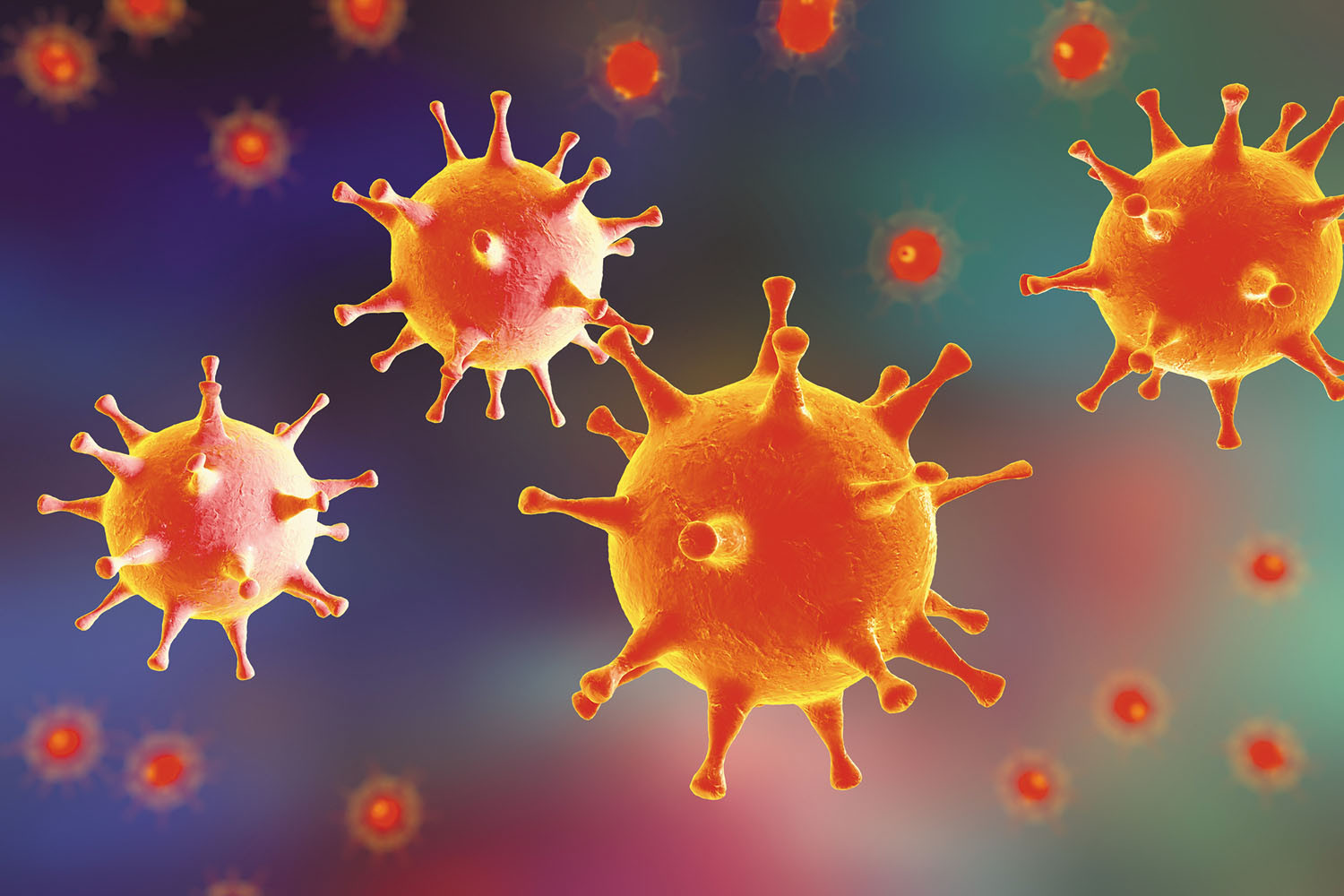
A. We live all of our lives with various microorganisms on us and inside us. One example is the herpes family of viruses. Out of more than a hundred herpesviruses, there are nine that infect humans. Once we get infected with these viruses — usually early in life — they remain with us, "asleep" inside some of our cells. But periodically, they "wake up" (reactivate), start producing multiple copies of themselves, and infect other cells. That's what's happening when a cold sore suddenly forms on your lip.
Naturally gluten-free foods
Harvard study: Healthier fats linked to longer life after prostate cancer diagnosis
Shingrix shingles vaccine linked with lower heart disease risks
Estrogen-only hormone therapy tied to lower dementia risk
Should you have a hysterectomy?
Stair climbing may significantly lower cardiovascular risks
Why do I sweat so much?
Walking pneumonia: The "mild" illness that can still pack a punch
What causes knee pain: How doctors make a diagnosis
Where you carry excess weight matters in predicting heart disease risk
Free Healthbeat Signup
Get the latest in health news delivered to your inbox!
Sign Up
