

Naturally gluten-free foods

Harvard study: Healthier fats linked to longer life after prostate cancer diagnosis

Shingrix shingles vaccine linked with lower heart disease risks

Estrogen-only hormone therapy tied to lower dementia risk
Should you have a hysterectomy?

Stair climbing may significantly lower cardiovascular risks

Why do I sweat so much?

Walking pneumonia: The "mild" illness that can still pack a punch

What causes knee pain: How doctors make a diagnosis

Where you carry excess weight matters in predicting heart disease risk
Brain health Archive
Articles

Lessons about brain health from a landmark heart study
At 70 years and counting, the Framingham Heart Study continues to help doctors better understand stroke, dementia, and heart disease.
Image: © BHPix/Getty Images
In 1948, more than 5,200 people living in a town just west of Boston volunteered for what has evolved into the longest running and best-known study of the causes of heart disease. But the multigenerational Framingham Heart Study has also revealed important clues about brain disorders — most notably stroke but also cognitive decline and dementia (see "Framingham's brain health findings").
In the early 1960s, Framingham researchers coined the term "risk factor," which refers to a characteristic or exposure that raises a person's odds of developing a disease. Over the following decades, they uncovered many such factors for heart disease, including cigarette smoking, obesity, lack of physical activity, and high blood pressure. These habits and conditions also turned out to predispose people to stroke and dementia, thereby establishing that what harms the heart is also bad for the brain.

Fish oil and vitamin D supplements might offer some health benefits
In the journals
Vitamin D and omega-3 fatty acid supplements have had mixed results when it comes to preventing heart attacks, strokes, and cancer in people who have already developed these problems or are at high risk for them. Yet a new study published online Nov. 10, 2018, by The New England Journal of Medicine found they may actually prevent these conditions among people who have never had these problems before.
Researchers recruited almost 26,000 people, ages 50 and older, who had no history of heart disease or cancer. The participants were divided into four groups. People in one group were given daily doses of 2,000 international units of vitamin D (an amount found to be linked to lower disease risk in observational studies) and 1 gram of a drug called Lovaza, which contained 840 milligrams of omega-3s (two to four times the amount in two servings of fish per week). The second group took vitamin D and a placebo, the third group took the omega-3s and a placebo, and the final group took two placebos. After more than five years, the researchers found that those given omega-3s were 28% less likely to suffer a heart attack compared with those given a placebo. Those who ate fewer servings of fish (less than the average of 1.5 servings per week) appeared to have a greater benefit from the additional omega-3s while those with higher fish intake had minimal benefit.

Shorter sleep may cause dehydration
Image: © miya227/Getty Images
In the journals
Adults who sleep only six hours per night may have a higher chance of being dehydrated, compared with those who sleep longer, according to recent research published online Nov. 5, 2018, by the journal Sleep. The findings suggest that some of the symptoms of inadequate sleep, such as fatigue, fuzzy thinking, and headache in the morning, may be due to dehydration.
Researchers looked at the risk of dehydration in approximately 20,000 U.S. and Chinese adults. In both populations, people who reported sleeping six or fewer hours had up to a 59% higher risk of dehydration compared with those who slept seven to eight hours on a regular basis. The researchers speculated that the finding may reflect the nightly rhythm of a hormone called vasopressin. During sleep, the pituitary gland in the brain uses vasopressin to signal the kidneys to retain fluid in the body rather than excreting it through urine.
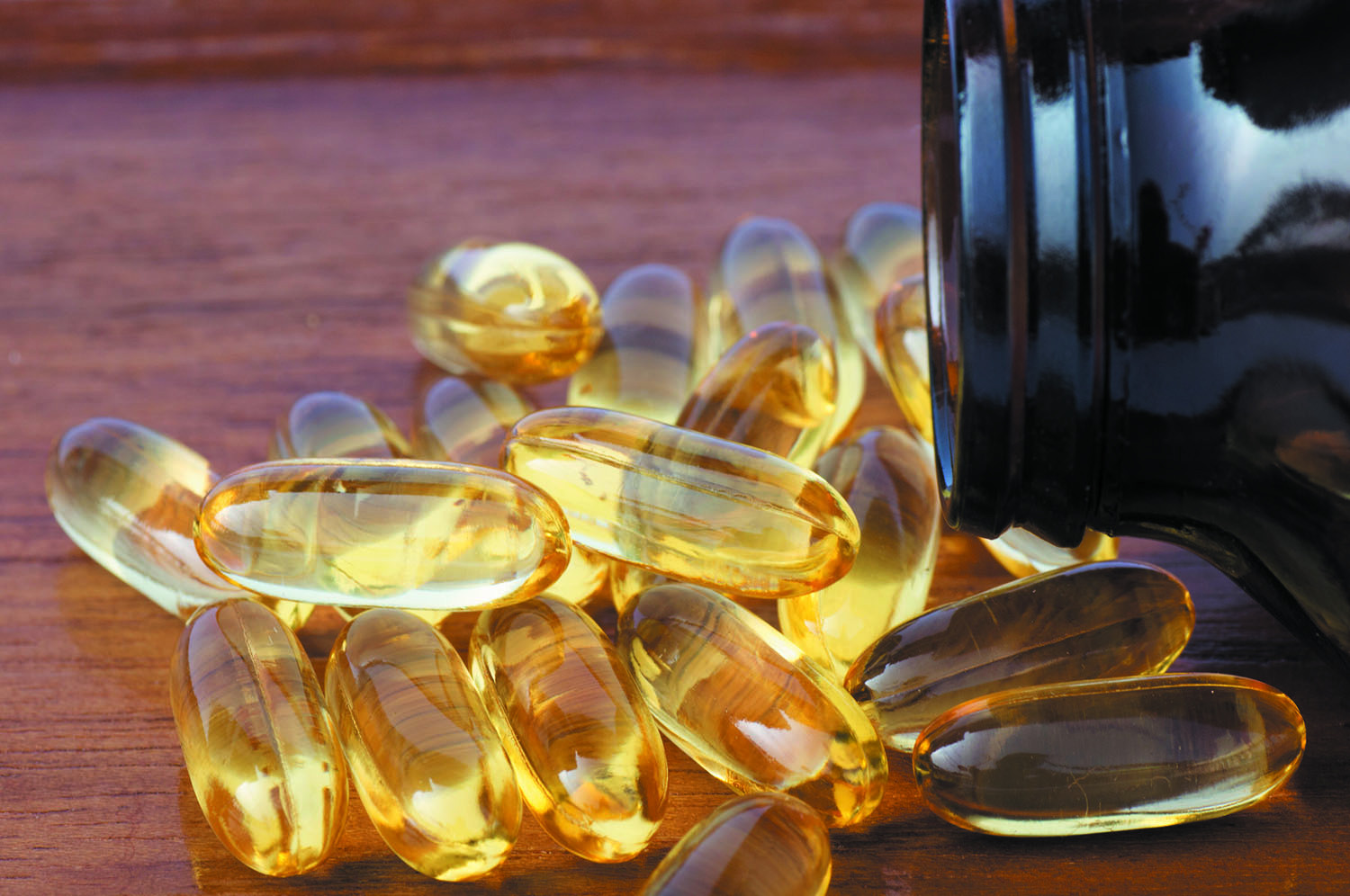
Vitamin D and omega-3 fatty acids supplements fall short when it comes to disease prevention
Image: © Hunterann/Thinkstock
Research we're watching
For years, many have speculated that taking vitamin D and omega-3 fatty acid supplements might help to prevent heart attacks, strokes, and certain cancers. But a study by Harvard researchers published online November 10, 2018, by The New England Journal of Medicine has found that the benefits may be more limited than originally hoped.
The results of the Vitamin D and Omega-3 Trial (VITAL), which enrolled more than 25,000 people and ran for more than five years, showed that while omega-3 supplements did appear to reduce the risk of heart attack, particularly among African Americans, they did not appear to be effective in preventing stroke or cancer. Vitamin D supplements also saw few benefits when it came to preventing heart attack, stroke, or cancer — but they were associated with a drop in cancer deaths in people who had taken the supplements for at least a year or two.

Alzheimer's in the family
Dementia affects the person diagnosed but also raises fears for siblings and children. Here are the facts.
After a diagnosis of Alzheimer's disease, families face fears and difficult medical decisions.
Alzheimer's disease represents a personal health crisis, but it's also a family concern. What does it mean for your children or siblings if you are diagnosed with Alzheimer's? What does it mean for you if a close relative develops the condition?

Two daily servings of dairy: Good for your heart?
Research we're watching
Image: © nehopelon/Getty Images
People whose daily diets include at least two servings per day of milk, yogurt, or cheese appear to have a lower risk of heart disease, stroke, or death than people who don't consume dairy products.
The findings, published Sept. 11, 2018, in The Lancet, were based on food questionnaires from more than 136,000 people from 21 countries. After a follow-up that lasted an average of nine years, researchers found that adults who consumed two or more servings of dairy each day had a 22% lower risk for heart disease, a 34% lower risk for stroke, and a 23% lower risk of heart-related death. Observational studies such as this one cannot prove cause and effect. But dairy-based foods contain vitamins D and K, calcium, and other nutrients thought to be good for cardiovascular health. The findings support the benefits of all types of dairy, including full-fat versions. However, current guidelines still recommend nonfat or low-fat milk, yogurt, and cheese, which contain fewer calories and less saturated fat.
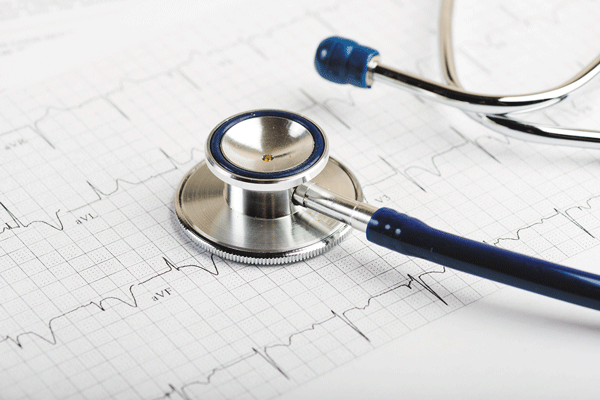
Atrial fibrillation may increase your risk of dementia
Image: Valeriya/Thinkstock
In the journals
People with atrial fibrillation, or afib, a type of irregular heartbeat that is linked with stroke, also may have a greater risk of dementia than those without the condition, according to a study published online Oct. 10, 2018, by Neurology.
Researchers recorded medical data from 2,685 people, average age 73. None of them had dementia and 243 had afib. After nine years, another 279 people developed afib. The researchers found that people with afib showed a faster rate of decline in thinking and memory skills than those without the condition, and were 40% more likely to develop dementia.
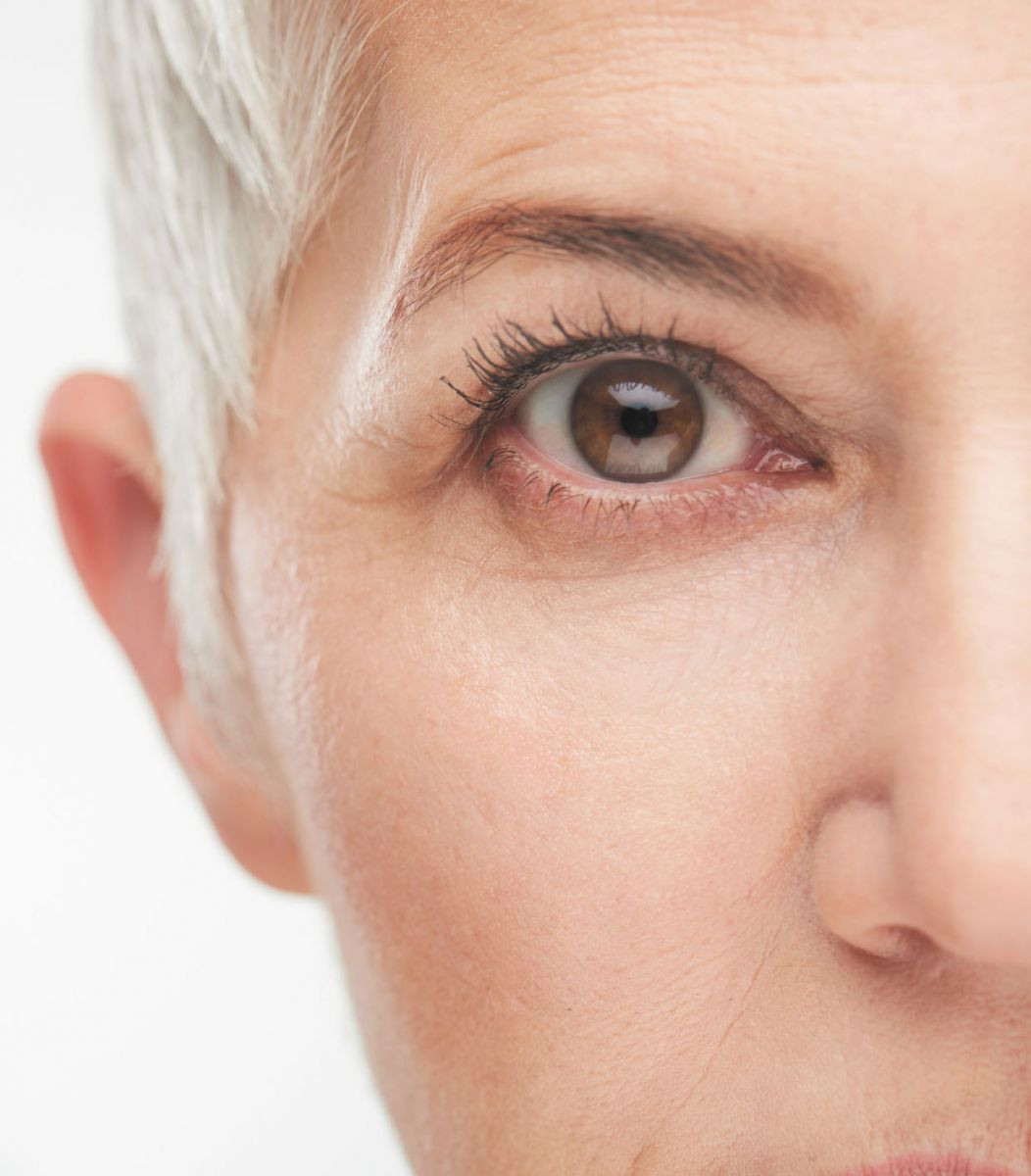
Can your eyes see Alzheimer’s disease in your future?
Certain eye conditions offer clues to your chances of developing dementia.
It's long been said that the eyes are the windows to the soul, but can they also provide a view of your brain's future? Researchers increasingly say yes. Studies have identified links between common eye conditions and Alzheimer's disease and other forms of dementia.
One study, published in the July 2018 issue of Alzheimer's & Dementia, appeared to validate past findings that linked three eye diseases — glaucoma, age-related macular degeneration, and diabetic retinopathy — to an increased risk of Alzheimer's disease.

Daytime sleepiness may indicate a higher risk for Alzheimer’s disease
In the journals
Are you excessively sleepy during the day? If so, you may have a higher risk of Alzheimer's disease, according to a recent study published online Sept. 5, 2018, by the journal Sleep.
Scientists asked 124 healthy older adults, average age 60, about how often they felt drowsy or fell asleep during the day when they would rather be awake, as well as their napping habits. The group then had regular PET scans over the next 15 years to look for beta-amyloid in the brain, high amounts of which are a hallmark for Alzheimer's.

Certain pain relievers could harm your heart
But use is primarily a concern for people who take them over a long period or who have certain health risks.
Image: © clu/Getty Images
Numerous studies in recent years have raised concerns that common pain relievers known as nonsteroidal anti-inflammatory drugs (NSAIDs) increase the risk of cardiovascular problems, such as heart attack and stroke.
A study published September 4 in The BMJ seems to confirm the risks associated with NSAIDs and notes that one medication in particular — diclofenac (Voltaren) — is associated with even higher risks to cardiovascular health than others in the same category.
Naturally gluten-free foods
Harvard study: Healthier fats linked to longer life after prostate cancer diagnosis
Shingrix shingles vaccine linked with lower heart disease risks
Estrogen-only hormone therapy tied to lower dementia risk
Should you have a hysterectomy?
Stair climbing may significantly lower cardiovascular risks
Why do I sweat so much?
Walking pneumonia: The "mild" illness that can still pack a punch
What causes knee pain: How doctors make a diagnosis
Where you carry excess weight matters in predicting heart disease risk
Free Healthbeat Signup
Get the latest in health news delivered to your inbox!
Sign Up
