

Naturally gluten-free foods

Harvard study: Healthier fats linked to longer life after prostate cancer diagnosis

Shingrix shingles vaccine linked with lower heart disease risks

Estrogen-only hormone therapy tied to lower dementia risk

Should you have a hysterectomy?

Stair climbing may significantly lower cardiovascular risks

Why do I sweat so much?

Walking pneumonia: The "mild" illness that can still pack a punch

What causes knee pain: How doctors make a diagnosis

Where you carry excess weight matters in predicting heart disease risk
Brain health Archive
Articles
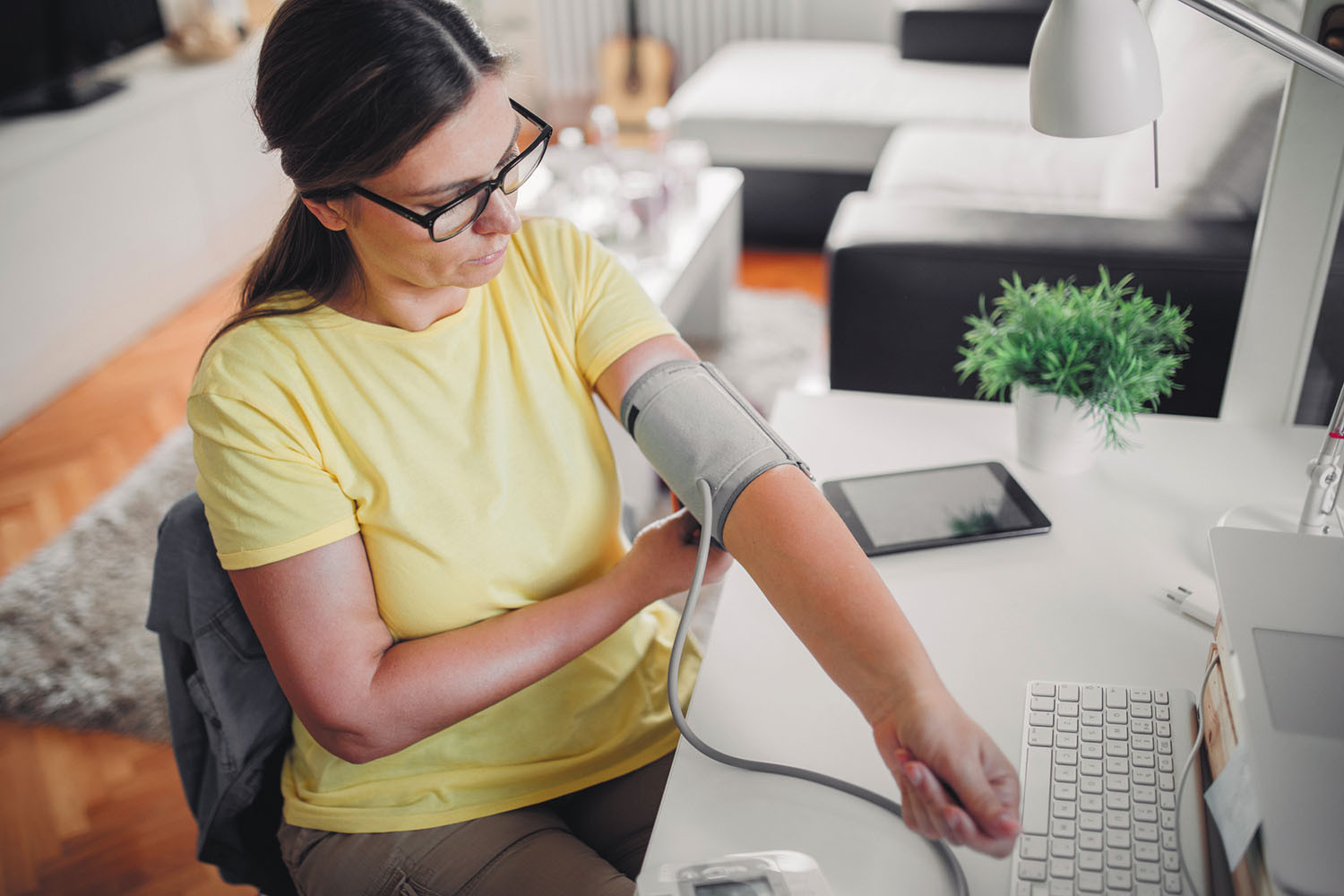
Blood pressure treatment might protect your brain
Research we're watching
Image: © mixetto/Getty Images
Aggressively treating high blood pressure might help ward off cognitive changes, according to findings presented at the Alzheimer's Association International Conference in July. Researchers from the Systolic Blood Pressure Intervention Trial compared two strategies to manage high blood pressure in more than 9,300 older adults (average age about 68). One strategy aims to achieve the standard treatment level for high systolic blood pressure (the first number in a blood pressure reading), keeping it under 140 mm Hg. The more aggressive strategy sets a goal of less than 120 mm Hg. The aggressive strategy reduced not only heart risks, but seemed to protect the brain.
People in the more aggressively controlled blood pressure group were 19% less likely than those in the standard treatment group to develop new cases of mild cognitive impairment (often a forerunner to dementia). They were also 15% less likely to develop any form of dementia or mild cognitive impairment. This study provides another reason to work with your doctor to reduce high blood pressure.

Depression risks in the medicine cabinet
News briefs
Are you taking a medication that has depression or suicidal thinking as a potential side effect? One or both risks have been linked to use of more than 200 prescription and over-the-counter pills, including medicines that treat high blood pressure, heartburn, pain, and headaches. The more of these drugs you use, the higher the likelihood that you'll experience depression, suggests a study published June 12, 2018, in The Journal of the American Medical Association. Working with five surveys conducted over a nine-year period, researchers evaluated health information from 26,192 adults. About 37% of them reported taking such medications. Of individuals taking three or more of the medications with depression as a possible side effect, about 15% reported depression, compared with about 5% in people not using those medications. Even for people already taking an antidepressant, the addition of one or more of the identified medicines was linked to higher rates of depression. This study was based on surveys, so it didn't prove that the medications caused the reported depression. Nonetheless, if you think you're depressed (and have symptoms such as apathy, hopelessness, changes in sleep or eating habits, and persistent fatigue), ask your doctor if any of the medicines you are taking may be responsible.
Image: © Tero Vesalainen | GettyImages

Eczema may signal higher risk of cardiovascular problems
Research we're watching
Image: © Tharakorn/Getty Images
About one in 10 people has eczema, a chronic inflammatory condition that leaves skin dry and itchy. People with more severe forms may experience a scaly rash or skin that cracks and oozes. These people may also be at greater risk for heart attack and stroke, according to a study in the May 23 issue of The BMJ.
For the study, researchers analyzed data from more than 385,000 adults with eczema, which was classified as mild, moderate, or severe. Each was matched with up to five people of similar age and sex who didn't have eczema.

Looking for an earlier sign of Alzheimer’s disease
Subjective cognitive decline often appears before memory loss and other symptoms.
Recent research suggests that the brain changes leading to Alzheimer's disease begin many years before the onset of symptoms.
Most often the disease is not diagnosed until it exists in full force, so finding earlier changes in thinking or behavior may help scientists better understand this process.

Do common viruses play a role in Alzheimer’s disease?
Research we're watching
Image: © Reptile8488/Getty Images
A new study published online June 21 by the journal Neuron links two common viruses to Alzheimer's disease. Based on data from three brain banks, researchers found that the brains of people with Alzheimer's disease had up to twice the levels of two viruses — herpesviruses 6A and 7 — compared with the brains of people who did not have dementia. The virus genes also appeared to have interacted with the human DNA in cells in the brain in ways that might have affected Alzheimer's disease risk.
Infection with these herpesviruses is very common. Up to 90% of people may be exposed to these viruses in childhood. They cause, among other things, a mild infection known as roseola, which produces a rash and a fever.

6 ways you can prepare to “age well”
You're probably already doing a lot to ensure that you stay in good health and are able to enjoy your later years: eating right, exercising, getting checkups and screenings as recommended by your doctor. But it also makes sense to have some contingency plans for the bumps in the road that might occur.
- Adapt your home. Stairs, baths, and kitchens can present hazards for older people. Even if you don't need to make changes now, do an annual safety review so you can make necessary updates if your needs change.
- Prevent falls. Falls are a big deal for older people — they often result in fractures that can lead to disability, further health problems, or even death. Safety precautions are important, but so are exercises that can improve balance and strength.
- Consider your housing options. You might consider investigating naturally occurring retirement communities (NORCs). These neighborhoods and housing complexes aren't developed specifically to serve seniors — and, in fact, tend to host a mix of ages — but because they have plenty of coordinated care and support available, they are senior-friendly.
- Think ahead about how to get the help you may need. Meal preparation, transportation, home repair, housecleaning, and help with financial tasks such as paying bills might be hired out if you can afford it, or shared among friends and family. Elder services offered in your community might be another option.
- Plan for emergencies. Who would you call in an emergency? Is there someone who can check in on you regularly? What would you do if you fell and couldn't reach the phone? Keep emergency numbers near each phone or on speed dial. Carry a cellphone (preferably with large buttons and a bright screen), or consider investing in some type of personal alarm system.
- Write advance care directives. Advance care directives, such as a living will, durable power of attorney for health care, and health care proxy, allow you to explain the type of medical care you want if you're too sick, confused, or injured to voice your wishes. Every adult should have these documents.
To learn more ways to enjoy independence and good health in your senior years, buy Living Better, Living Longer, a Special Health Report from Harvard Medical School.

Safe driving protects your brain
Of course, observing safe driving habits is a common-sense practice that can help you avoid injury, but these driving guidelines can help protect your brain as well.

FDA approves first migraine prevention drug
News briefs
Encouraging news for people who suffer with migraines: in May, the FDA approved erenumab (Aimovig), the first medication aimed at preventing these debilitating headaches. Current medications to treat migraines were actually designed to control other conditions, such as seizures or an irregular heartbeat; their side effects (like sexual dysfunction and fuzzy thinking) often cause people to skip treatment. Erenumab offers a new approach. Injected once a month, it works by blocking a molecule (calcitonin gene-related peptide) involved in migraine attacks, and compared with other drugs, it appears to have fewer side effects (primarily constipation and injection site reactions). "This drug is for people who have more than four migraines per month, but it won't take migraines away entirely," says Dr. Gad Marshall, a neurologist at Harvard-affiliated Brigham and Women's Hospital. Clinical trials suggest it can reduce frequency by one or two migraines per month, or even more in some people. "For people with frequent debilitating migraines it could be a game changer," says Dr. Lee Schwamm, a neurologist at Harvard-affiliated Massachusetts General Hospital. "But erenumab is expensive, and it will take time to find out if it's effective and safe over the long term."

Challenge your mind, no matter what your age
News briefs
Image: © Stockbyte/Getty Images
An observational study published online May 30, 2018, by JAMA Psychiatry found that engaging in intellectually stimulating activities, even later in life, may lower the odds of dementia. Researchers followed over 15,000 Chinese men and women in their 70s for seven years with annual assessments of health and lifestyle habits, including a variety of leisure activities. The odds of being diagnosed with dementia during the study period were 29% lower in people who challenged their brains daily with such activities as playing board games, reading, and even betting on horse racing. In contrast, less mentally demanding recreational activities (like watching TV or shopping) or social activities (like going to tea with friends) did not appear to be associated with a lower risk of dementia. Other studies have found similar evidence, but this one made a special effort to adjust for factors like better overall health that might otherwise account for the association between brain exercise and dementia.

Duration of atrial fibrillation and risk of stroke
Research we're watching
Episodes of atrial fibrillation (afib) — a chaotic, irregular heart rhythm — can last for minutes, hours, days, or much longer. The condition encourages blood clots to form in the heart; the clots can then escape and lead to a stroke. New research suggests that even intermittent bouts of afib (which were previously considered to be low risk) may increase a person's risk of stroke.
The study included nearly 2,000 people who wore a small skin patch that continuously monitored their heart rates for 14 days. All of them had paroxysmal (intermittent) afib and were not taking anti-clotting medications. Researchers then tracked the participants' incidence of stroke over the following five years. They found that afib that lasted more than 11% of the total monitoring time was associated with a threefold increase in stroke risk.
Naturally gluten-free foods
Harvard study: Healthier fats linked to longer life after prostate cancer diagnosis
Shingrix shingles vaccine linked with lower heart disease risks
Estrogen-only hormone therapy tied to lower dementia risk
Should you have a hysterectomy?
Stair climbing may significantly lower cardiovascular risks
Why do I sweat so much?
Walking pneumonia: The "mild" illness that can still pack a punch
What causes knee pain: How doctors make a diagnosis
Where you carry excess weight matters in predicting heart disease risk
Free Healthbeat Signup
Get the latest in health news delivered to your inbox!
Sign Up
