

Naturally gluten-free foods

Harvard study: Healthier fats linked to longer life after prostate cancer diagnosis

Shingrix shingles vaccine linked with lower heart disease risks

Estrogen-only hormone therapy tied to lower dementia risk
Should you have a hysterectomy?

Stair climbing may significantly lower cardiovascular risks

Why do I sweat so much?

Walking pneumonia: The "mild" illness that can still pack a punch

What causes knee pain: How doctors make a diagnosis

Where you carry excess weight matters in predicting heart disease risk
Brain health Archive
Articles

What can you do to avoid Alzheimer’s disease?
How a healthy lifestyle can make a difference in Alzheimer’s prevention.
Alzheimer's disease, the most common form of dementia, is characterized by the accumulation of two types of protein in the brain: tangles (tau) and plaques (amyloid-beta). Eventually, Alzheimer's kills brain cells and takes people's lives.
Alzheimer’s causes
What causes Alzheimer's? We still aren't sure. "For 1% of all cases, there are three genes that determine definitively whether or not you will have Alzheimer's, and all three relate to amyloid-beta production, which in these cases is likely the cause of Alzheimer's," says Dr. Gad Marshall, associate medical director of clinical trials at the Center for Alzheimer Research and Treatment at Harvard-affiliated Brigham and Women's Hospital. "For the other 99%, amyloid and tau are closely associated with Alzheimer's, but many things may contribute to the development of symptoms, such as inflammation in the brain, vascular risk factors, and lifestyle."

Does drinking alcohol raise the risk of stroke?
Research we're watching
Contrary to observations that moderate drinking (one or two drinks per day) protects against stroke, a new study finds that stroke risk may rise with increasing alcohol intake.
The findings, which were published online April 4 by The Lancet, come from a study involving 160,000 Chinese adults who reported their drinking habits. They also were tested for gene variants common in Asian populations that cause an unpleasant flushing reaction after drinking. Only 2% of women reported drinking alcohol, compared with 33% of men, so the findings focus mainly on men.

Thunderclap headache: The “worst headache of my life”
A thunderclap headache is a sudden, extremely severe headache associated with several possible causes. It’s considered a medical emergency and should be treated as soon as possible.

Trouble keeping information in mind? Could be sleep, mood, or age
Most people experience some degree of decreased memory as they get older, but memory performance is also affected by mood and sleep quality, and these are factors that can be controlled and improved.


Ministroke: A warning sign of a major problem
Even short-lived, subtle stroke symptoms should be evaluated.
Imagine trying to write a note, but it feels like you're moving the pen through wet concrete. Or you suddenly can't see normally — it's as if a black curtain has dropped over one of your eyes.
If these odd symptoms last for only a few minutes, you might be tempted to brush them off and blame muscle cramps or fatigue. Don't make that mistake, says Dr. Christopher Anderson, director of Acute Stroke Services at Harvard-affiliated Massachusetts General Hospital. Both of the above scenarios are examples of a possible transient ischemic attack (TIA), commonly referred to as a ministroke. Caused by a temporary lack of blood in part of the brain, a TIA is a warning sign that you are at risk for a stroke.

Can exercise and diet help mild cognitive impairment?
News briefs
We often tell you about using aerobic exercise and a healthy diet to try to stave off dementia. But will those approaches help if you already have the slight but noticeable change in memory and thinking known as mild cognitive impairment (MCI)? A small randomized trial (the gold standard type of study) published online Dec. 19, 2018, by Neurology suggests the combination of diet and exercise may indeed help. Researchers studied 160 sedentary older adults who had MCI as well as one or more cardiovascular disease risk factors, such as high cholesterol. Participants were randomly assigned to do aerobic exercise, to follow a heart-healthy diet (the Dietary Approaches to Stop Hypertension, or DASH, diet), to do a combination of aerobic exercise and the DASH diet, or to just get weekly heart health education. After six months, people who just exercised several times a week got a little bump in executive function (thinking skills that help us plan and organize), but the biggest change was seen in people who both followed the DASH diet and did aerobic training three times a week. Their improved planning skills were equivalent to reversing nearly 10 years of brain aging, compared with study participants who didn't exercise or improve their diets. The findings demonstrate that it's never too late to start exercising and eating right.
Image: © adamkaz/Getty Images

Deep-vein blood clots: What you need to know
Learn how to recognize and prevent this dangerous condition, known as venous thromboembolism, or VTE.
When a blood clot blocks an artery supplying the heart or the brain, the result is a heart attack or stroke. Most Americans are familiar with these two serious health threats. But they're probably less familiar with the dangers of venous thromboembolism, or VTE — a clot that forms in a vein.
A clot in the leg or arm, known as deep-vein thrombosis, can cause pain, swelling, and redness in the affected limb. But the real threat occurs if the clot breaks off and travels to the lungs, causing a pulmonary embolism.

The combo of Mediterranean diet and statins can protect against a fatal second heart attack
In the journals
People who have had a heart attack or a stroke are routinely prescribed a statin to reduce the risk of a repeat event. But by also following a Mediterranean-style diet, they can improve their chance of living longer, suggests a study in the Feb. 1, 2019, issue of the International Journal of Cardiology.
The study looked at 1,180 people, average age 68, who had at least one previous heart attack or stroke, and recorded their statin use and diet intake at the study's beginning. The researchers identified the people who faithfully followed a Mediterranean-style diet. A Mediterranean-style diet involves consuming medium to high amounts of whole fruits and vegetables, whole grains, legumes and nuts, olive oil, and poultry and fish, with limited amounts of red meat, alcohol, and dairy.
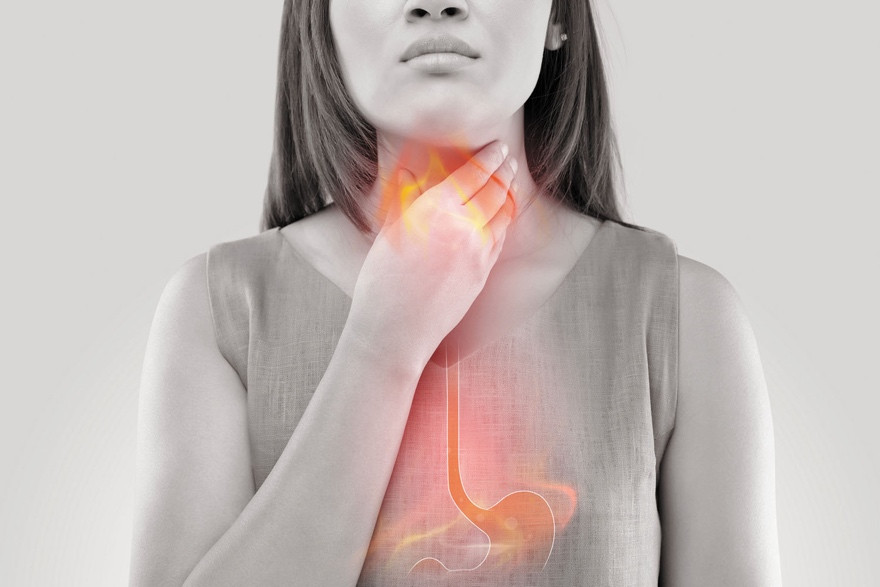
Feeling the burn? Antacids can provide some relief
But these remedies aren't the best choice if you have frequent heartburn.
You feel the familiar sensation in your chest: heartburn. Again, you find yourself reaching for the bottle of antacids in the medicine cabinet. It's something you've done a few times a week for the past six months. Is it okay to keep popping over-the-counter acid reducers, or is it time to see a doctor?
We asked two experts, Dr. Jennifer Nayor and Dr. Molly Linn Perencevich, both instructors in medicine at Harvard Medical School, for their thoughts on heartburn, including when it's okay to use over-the-counter antacids and when you should seek other treatments. Below are their responses.
Naturally gluten-free foods
Harvard study: Healthier fats linked to longer life after prostate cancer diagnosis
Shingrix shingles vaccine linked with lower heart disease risks
Estrogen-only hormone therapy tied to lower dementia risk
Should you have a hysterectomy?
Stair climbing may significantly lower cardiovascular risks
Why do I sweat so much?
Walking pneumonia: The "mild" illness that can still pack a punch
What causes knee pain: How doctors make a diagnosis
Where you carry excess weight matters in predicting heart disease risk
Free Healthbeat Signup
Get the latest in health news delivered to your inbox!
Sign Up
