

CoQ10: Should you take this popular supplement if you're on a statin?

Microplastics: A hidden health threat?

Oat vs. dairy milk: Nutrition, benefits, and downsides

What is tempeh? Benefits, nutrition, and how to use it

Healing after food poisoning

Children of centenarians may stay healthier and live longer too, study finds

Light exposure at night may raise risk for heart disease

A lumbar belt may help ease low back pain

Whole grains may improve several heart risk factors at once

Signs of pneumonia: Sometimes vague and unexpected
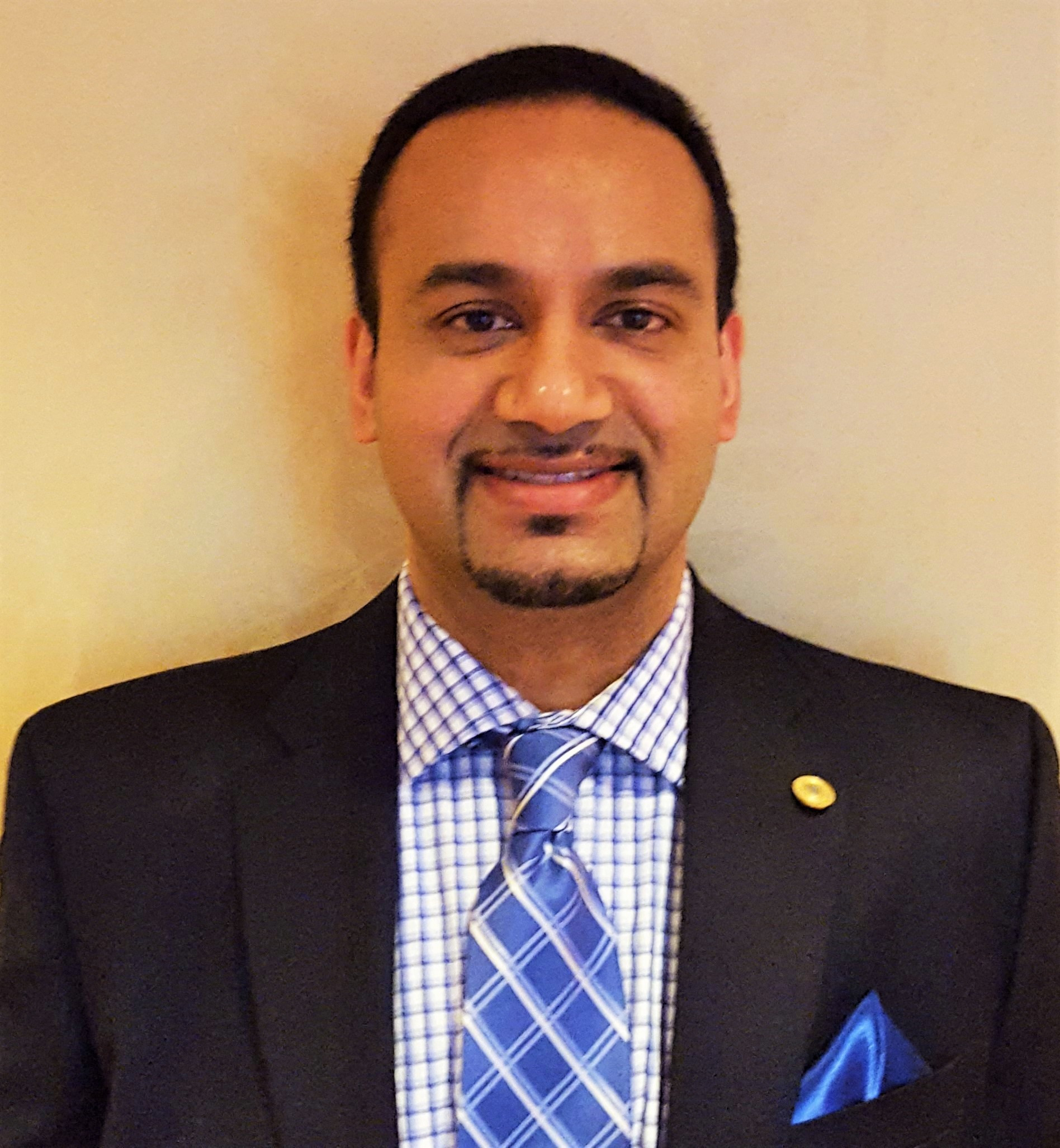
Paul G. Mathew, MD, FAAN, FAHS
Contributor
Paul G. Mathew, MD, FAAN FAHS is an Assistant Professor of Neurology at Harvard Medical School (HMS), and holds clinical positions at three HMS affiliated institutions. He serves as the Director of Continuing Medical Education at the Brigham & Women’s Hospital, Department of Neurology, John R. Graham Headache Center. He is also a staff neurologist at Harvard Vanguard Medical Associates/Atrius Health and the Cambridge Health Alliance. He completed his neurology residency at Temple University Hospital in Philadelphia, PA, and then completed a fellowship in headache medicine at Mayo Clinic in Rochester, MN. He is board certified in neurology and headache medicine. In addition to conventional headache treatments, Dr. Mathew performs Botox injections, trigger point injections, and nerve blocks.
In terms of his academic responsibilities, he has been involved in the training of neurology, psychiatry, internal medicine, family medicine, and dental residents, as well as two headache medicine fellows per year. Regarding medical student education, he is the founder and clerkship director of the Harvard Medical School Advanced Neurology Clerkship. He also serves on the faculty of the Harvard Medical School Cambridge Integrated Clerkship.
He has written multiple publications, and has presented at both national and international conferences. Dr. Mathew serves as a peer reviewer for multiple journals including Cephalalgia, Headache, Headache Currents, Mayo Clinic Proceedings, Neurology, the British Medical Journal, and the New England Journal of Medicine. He is the Co-Chief Medical Editor of the journal Practical Neurology. He is a member of several medical societies including the Massachusetts Neurological Association, the American Academy of Neurology, the Headache Cooperative of New England, the American Headache Society, and the International Headache Society.
Dr. Mathew also applies his passion and expertise to the role of advocate for both patients and fellow physicians. He has participated in multiple successful lobbying efforts in Washington, DC headed by the American Academy of Neurology to improve patients’ access to healthcare. In March, 2015, Dr. Mathew was appointed as the neurology representative on the advisory board of the National Board of Physicians and Surgeons. The National Board of Physicians and Surgeons (www.NBPAS.org) is an organization committed to providing board re-certification that ensures physician compliance with national standards and lifelong learning after completing initial board certification with an American Board of Medical Specialties (ABMS) Board.
Posts by Paul G. Mathew, MD, FAAN, FAHS

Paul G. Mathew, MD, FAAN, FAHS
Alcohol and headaches

Paul G. Mathew, MD, FAAN, FAHS
How good is my doctor? Awards, acronyms, and anecdotes…Oh my

Paul G. Mathew, MD, FAAN, FAHS
White coat syndrome or white coat logo syndrome? The pitfalls of doctor shopping by “brand”

Paul G. Mathew, MD, FAAN, FAHS
Unlocking the lock jaw: Temporomandibular joint dysfunction

Healthy aging and longevity
Snored to death: The symptoms and dangers of untreated sleep apnea
CoQ10: Should you take this popular supplement if you're on a statin?
Microplastics: A hidden health threat?
Oat vs. dairy milk: Nutrition, benefits, and downsides
What is tempeh? Benefits, nutrition, and how to use it
Healing after food poisoning
Children of centenarians may stay healthier and live longer too, study finds
Light exposure at night may raise risk for heart disease
A lumbar belt may help ease low back pain
Whole grains may improve several heart risk factors at once
Signs of pneumonia: Sometimes vague and unexpected

