

Oat vs. dairy milk: Nutrition, benefits, and downsides

Microplastics: A hidden health threat?

Healing after food poisoning

What is tempeh? Benefits, nutrition, and how to use it

Light exposure at night may raise risk for heart disease

Whole grains may improve several heart risk factors at once

A lumbar belt may help ease low back pain

Children of centenarians may stay healthier and live longer too, study finds

Signs of pneumonia: Sometimes vague and unexpected

The surprising link between ovarian cancer and the fallopian tubes
Alzheimer's Disease Archive
Articles
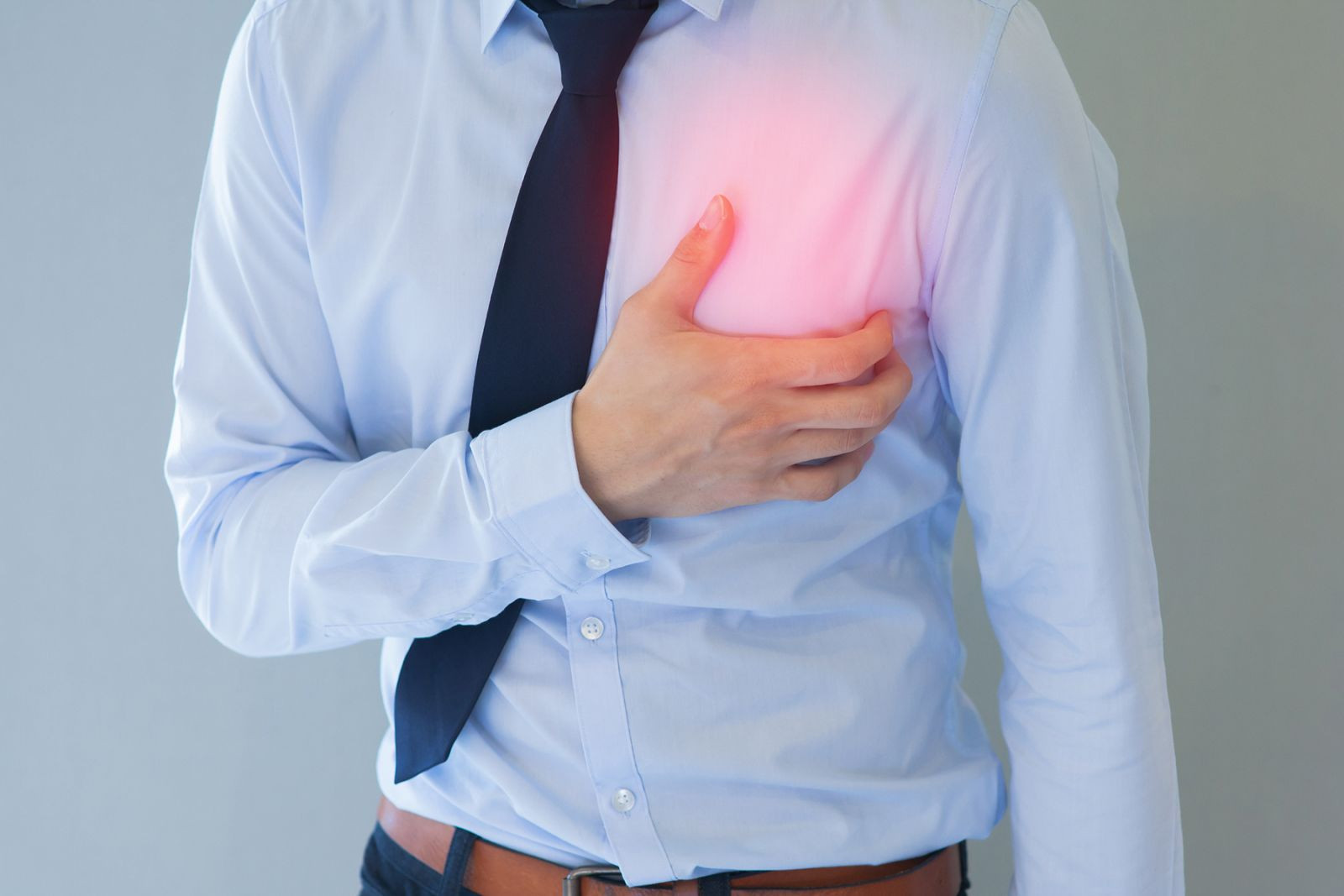
Don't ignore signs of sudden cardiac arrest
You may assume that there aren't any symptoms for sudden cardiac arrest (SCA), the deadly condition that occurs when your heart suddenly stops pumping. But a study published Jan. 5, 2016, in Annals of Internal Medicine suggests that warning signs are common and often ignored. The most common warning signs were chest pain, breathlessness, palpitations, lightheadedness or fainting, nausea, and vomiting.
Researchers looked at the health information of more than 800 people who experienced SCA, mostly middle-aged men, and discovered that about half of the people had warning signs during the four weeks leading up to SCA and even 24 hours before their hearts stopped. But most of those with warning signs ignored the symptoms. Thirty-two percent of those who called 911 before SCA survived, compared with only 6% among those who didn't call for help. That's because many of the symptoms that led people to call 911 occurred in the hours just before the SCA, so these people were likely to be in a medical care setting when their hearts stopped.
Ask the doctor: Protecting eyesight with vitamins and supplements
Ask the doctor
Q: My eyesight is declining, but my eye doctor tells me I do not have any serious eye problems. Are there any vitamins or supplements I can take to protect my eyes?
A: Based on the most recent research, there is no proven vitamin cocktail to prevent vision loss. The most common causes of vision loss as you grow older are cataracts and age-related macular degeneration (AMD). Since cataracts can be treated with simple surgery, much of the attention for prevention of vision loss has focused on macular degeneration. Initially, there was excitement about antioxidant vitamins, since a combination of vitamins A, C, and E delayed progression of AMD in previously diagnosed individuals. However, the Age-Related Eye Disease Study showed no benefit from antioxidants in people who did not already have AMD. A single study in women (average age 64) reported that a combination of vitamins B6, B12, and folate reduced the development of AMD over a seven-year period. But this study has not been replicated, and it hasn't been done in men, which makes it hard to recommend these supplements.
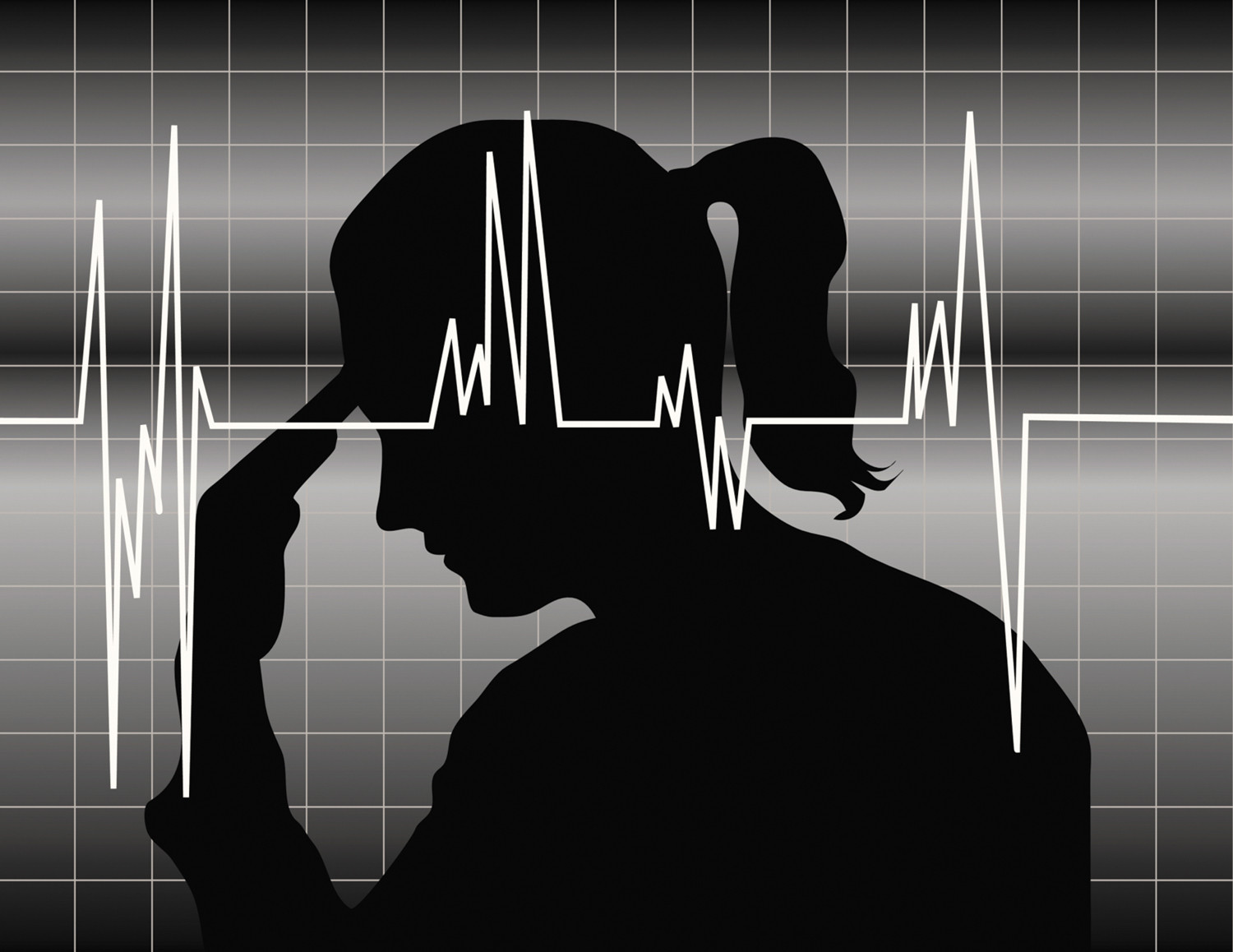
Why conquering stress can help your heart
Learning to deal with stress can lower your risk for anxiety, depression, and cardiovascular disease.
The more we learn about women's hearts, the more we realize that they are different from men's. One of the most dramatic differences is a rare heart condition called takotsubo cardiomyopathy, or broken-heart syndrome, that is nine times more common in women than in men. It has been cited as evidence that sudden emotional stress can actually cause death in some women.
Like a heart attack, takotsubo cardiomyopathy strikes suddenly with symptoms such as chest pain and shortness of breath; however, it does not involve clogged arteries. Takotsubo cardiomyopathy is brought on by a surge of stress hormones that literally bend the heart out of shape. As a result, when the main pumping chamber of the heart (the left ventricle) contracts, it balloons out, so it can't eject blood into the arteries effectively.

How music can help you heal
Music therapy can calm anxiety, ease pain, and provide a pleasant diversion during chemotherapy or a hospital stay.
It's almost impossible to find someone who doesn't feel a strong connection to music. Even if you can't carry a tune or play an instrument, you can probably reel off a list of songs that evoke happy memories and raise your spirits. Surgeons have long played their favorite music to relieve stress in the operating room, and extending music to patients has been linked to improved surgical outcomes. In the past few decades, music therapy has played an increasing role in all facets of healing.
What is music therapy?
Music therapy is a burgeoning field. People who become certified music therapists are usually accomplished musicians who have deep knowledge of how music can evoke emotional responses to relax or stimulate people or help them heal. They combine this knowledge with their familiarity with a wide variety of musical styles to find the specific kind that can get you through a challenging physical rehab session or guide you into meditation. And they can find that music in your favorite genre, be it electropop or grand opera.
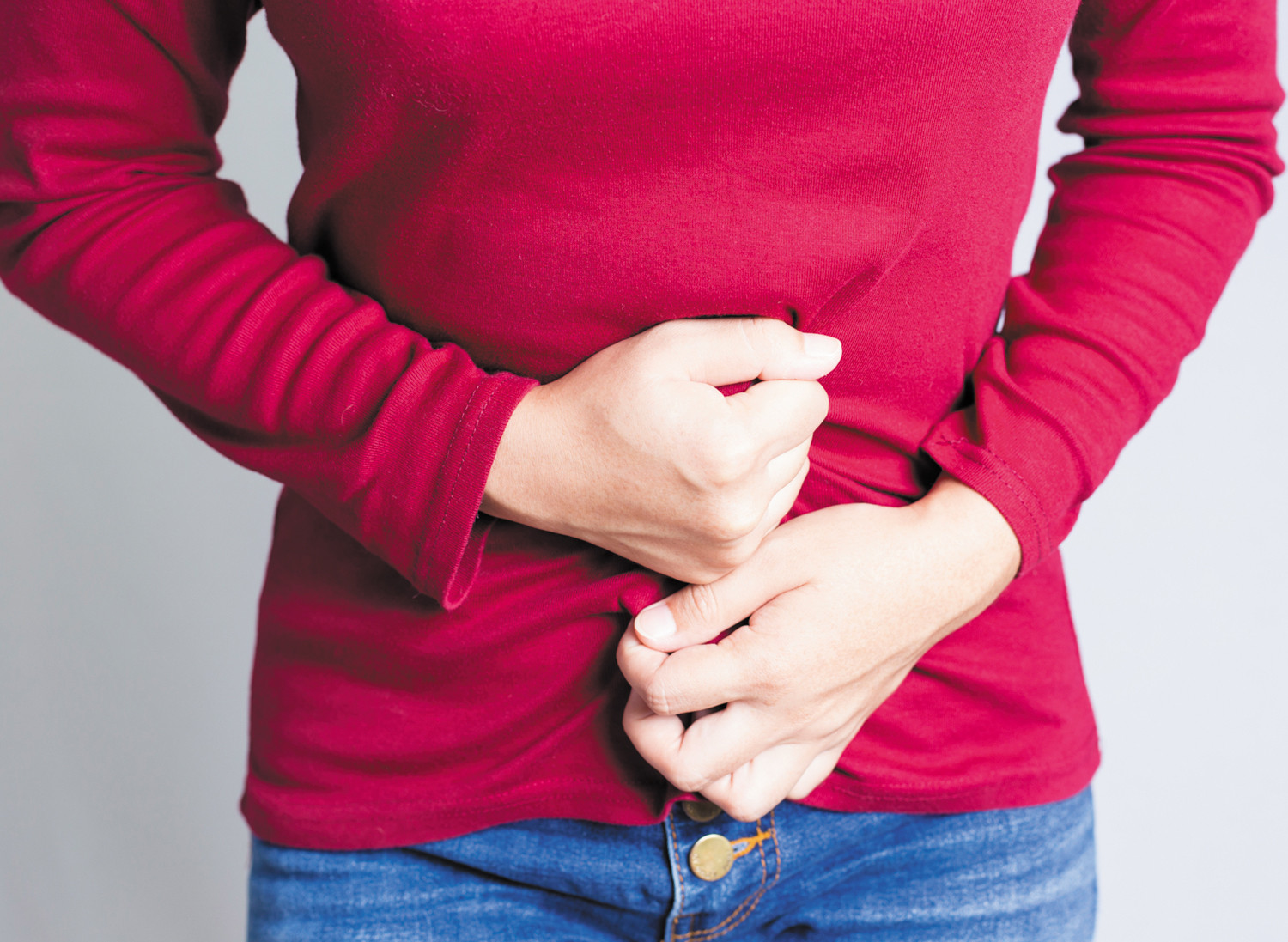
What you should know about fibroids
These uterine tumors, though usually benign, can cause heavy bleeding, cramps, and pregnancy complications. But there are several good options for treatment.
Fibroids—smooth muscle tumors of the uterus—are common, affecting as many as 75% of women. They are rarely cancerous, and they cause symptoms in only about 20% of the women who have them. However, if you're one of those with symptoms like heavy menstrual bleeding, bad cramps, pelvic pressure, constipation, or frequent urination, you know how fibroids can disrupt your life. Even if they don't cause symptoms, they may grow into the uterine cavity, potentially complicating a pregnancy and raising the risk of miscarriage.
"Managing uterine fibroids depends on several factors, such as a woman's symptoms, whether or not she wants to have children, her age, and her personal preferences," says Dr. Hye-Chun Hur, director of the Division of Minimally Invasive Gynecologic Surgery at Harvard-affiliated Beth Israel Deaconess Medical Center and associate medical editor of Harvard Women's Health Watch.

Hold off before taking antibiotics for respiratory infections, study suggests
A Spanish clinical trial of 400 people—two-thirds of whom were women—has indicated that waiting to fill an antibiotic prescription may be a good idea for people with sniffles, coughs, sore throats, and other respiratory symptoms.
Researchers recruited volunteers who sought care for respiratory symptoms in primary care clinics throughout Spain. The volunteers were randomly assigned to four equal groups. One was given antibiotics and told to take them immediately. Another was sent home without antibiotics but told to return to the clinic if they hadn't improved after several days. The two remaining groups were told to wait to take antibiotics—one was asked to return to the clinic to get their mediation after three days; the other group was given an antibiotic, but told to take the medication only if their symptoms hadn't improved after five to 10 days.

Happiness may not extend life
Although poor health can lead to unhappiness and a shorter life, unhappiness alone is not associated with a shorter life span, according to a recent report from the Million Woman Study. That investigation has followed hundreds of thousands of women throughout the United Kingdom beginning in 1996 and has tracked deaths among the participants.
In the third year of the study, the women were asked to rate their health, happiness, stress, feelings of control, and whether they felt relaxed. When the researchers looked at data from 720,000 women with a median age of 59, they found that 83% reported being generally happy and 17% said they were unhappy. During 10 years of follow-up, 4% of participants died. When the researchers factored out poor health, which was strongly associated with unhappiness, they found that the risk of dying was essentially the same for happy and unhappy women. The study was published online Dec. 6, 2015, by The Lancet.
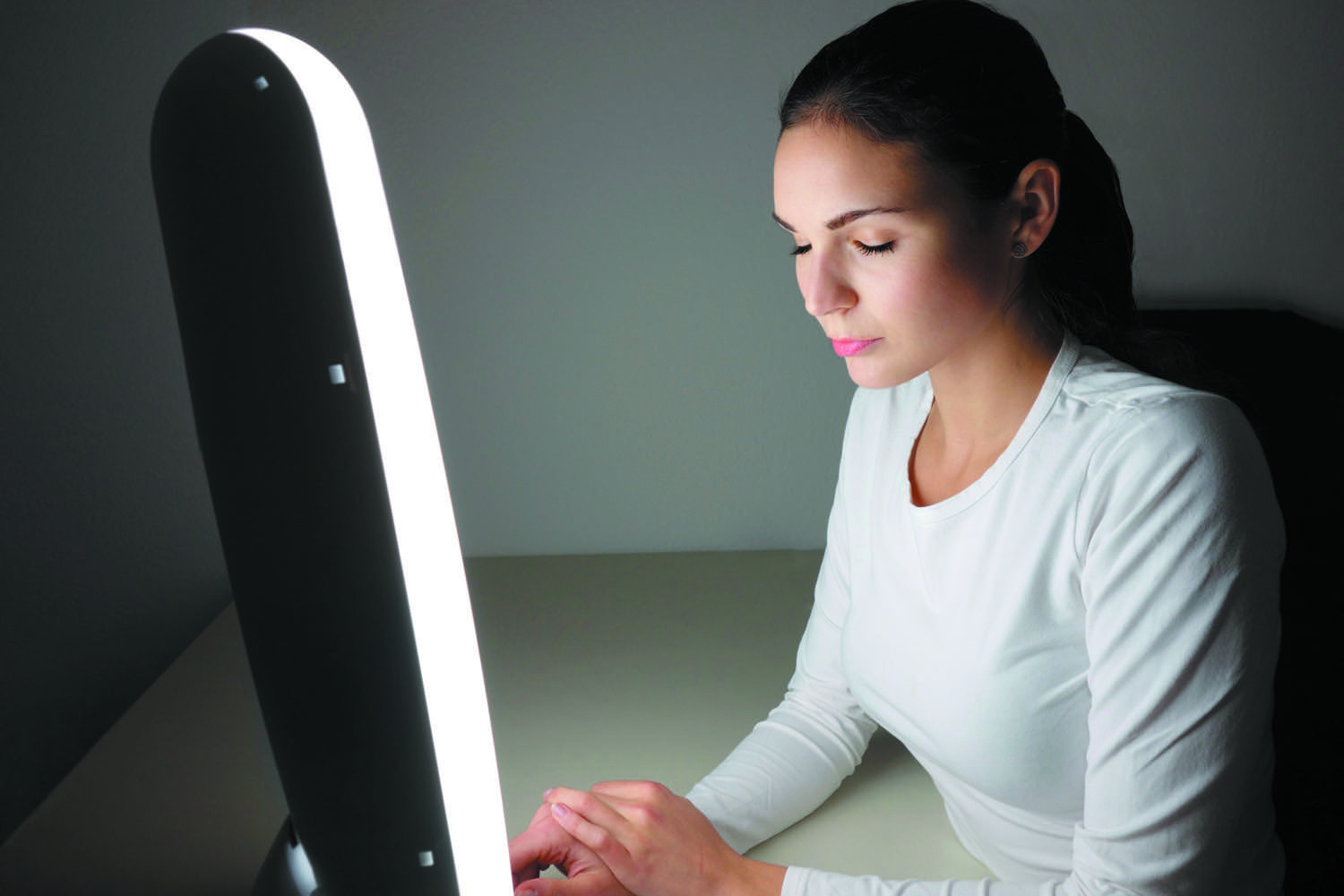
Bright light helps depression
Light therapy, either alone or in combination with an antidepressant, can alleviate major depression.

8 steps to mindful eating
This ancient practice can transform the way you think about food and set the stage for a lifetime of healthy eating.
Like most of us, you've probably eaten something in the past few hours. And, like many of us, you may not be able to recall everything you ate, let alone the sensation of eating it. According to a 2011 report from the U.S. Department of Agriculture, the average American spends two-and-a-half hours a day eating, but more than half the time, we're doing something else, too. Because we're working, driving, reading, watching television, or fiddling with an electronic device, we're not fully aware of what we're eating. And this mindless eating—a lack of awareness of the food we're consuming—may be contributing to the national obesity epidemic and other health issues, says Dr. Lilian Cheung, a nutritionist and lecturer at Harvard T.H. Chan School of Public Health.

How can I help my daughter deal with her miscarriage?
Ask the doctor
Q. My daughter had a miscarriage a few months ago and since then she has been depressed and withdrawn. Do you know anything I can do to help?
A. Miscarriage can involve a difficult emotional recovery, and many women and their partners are surprised at the intensity of their feelings. Many women who have experienced a miscarriage feel that they have done something wrong. They may worry that the miscarriage resulted from stress or lifestyle choices they made during pregnancy. In fact, most miscarriages are the result of chromosomal abnormalities, structural abnormalities of the uterus, or maternal endocrine or autoimmune disorders.
Oat vs. dairy milk: Nutrition, benefits, and downsides
Microplastics: A hidden health threat?
Healing after food poisoning
What is tempeh? Benefits, nutrition, and how to use it
Light exposure at night may raise risk for heart disease
Whole grains may improve several heart risk factors at once
A lumbar belt may help ease low back pain
Children of centenarians may stay healthier and live longer too, study finds
Signs of pneumonia: Sometimes vague and unexpected
The surprising link between ovarian cancer and the fallopian tubes
Free Healthbeat Signup
Get the latest in health news delivered to your inbox!
Sign Up
