

Oat vs. dairy milk: Nutrition, benefits, and downsides

Microplastics: A hidden health threat?

Healing after food poisoning

What is tempeh? Benefits, nutrition, and how to use it

Light exposure at night may raise risk for heart disease

Whole grains may improve several heart risk factors at once

A lumbar belt may help ease low back pain

Children of centenarians may stay healthier and live longer too, study finds

Signs of pneumonia: Sometimes vague and unexpected

The surprising link between ovarian cancer and the fallopian tubes
Alzheimer's Disease Archive
Articles

Numb hand: Should you worry?
Ask the doctor
Q. My right hand goes numb when I open a can or use hand tools. Is this something I need to worry about? Do I have carpal tunnel syndrome?
A. The hand receives its sensory information from three different nerves, and irritation of any of them can lead to numbness. In the hand, numbness is often related to the way that the nerve is compressed or squeezed slightly when you bend your wrist, as happens when you open a can. Excess vibration or repetitive hand motion when you use tools may also cause numbness.

Got a bum knee? Here is what to do
If knee pain and swelling are severe an are not getting better, see your primary care doctor for a thorough evalucation. Image: Thinkstock
Arthritis is not the only possible cause of knee pain, swelling, and disability.
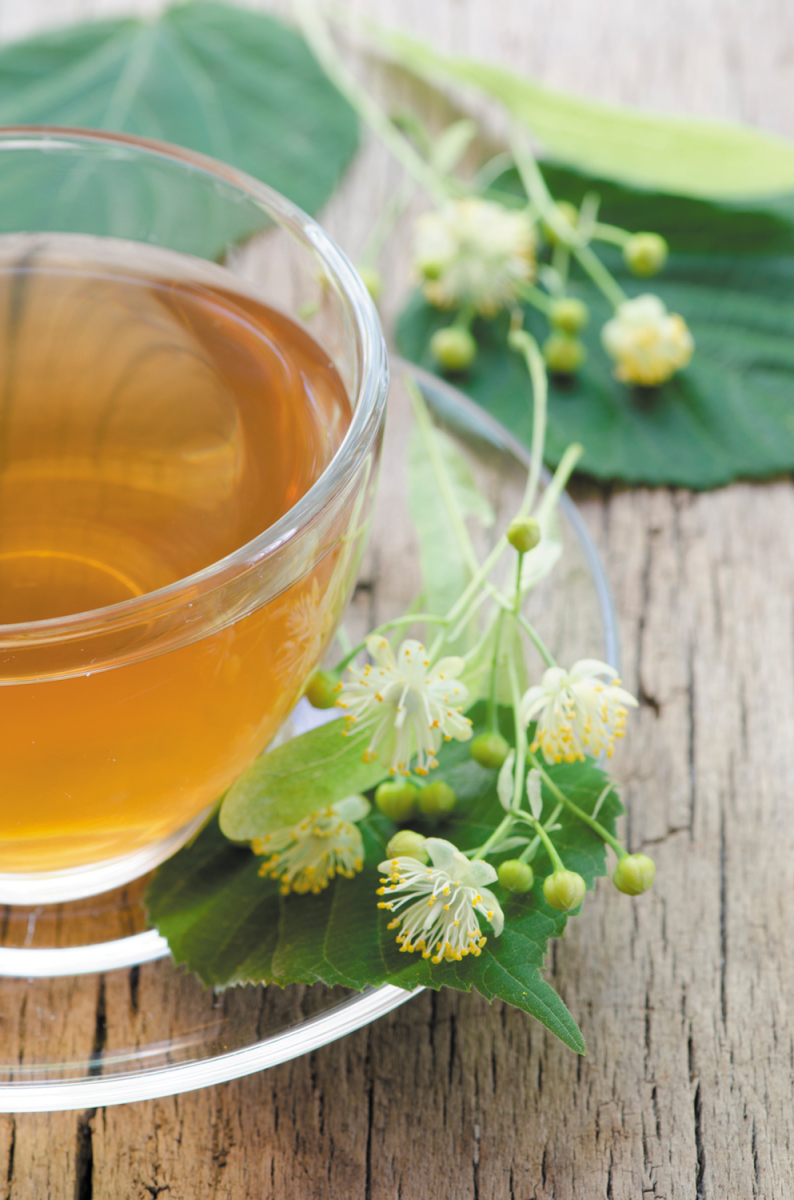
Is there a natural remedy for anxiety?
|
Ask the doctor
Q. I find myself getting more and more anxious, but I don't like to take medications. Is there an alternative natural treatment I can try instead?
A. Anxiety is an incredibly common problem. Although there are many FDA-approved medications that have been widely studied and proved effective, studies show that up to 43% of patients with anxiety use alternative medicine to treat it. Among alternative therapies, herbal treatments are widely used both for therapeutic purposes and for comfort.

Rev up your thinking skills by trying something new
Learning a new dance step involves exercise, socialization, and a challenge, all of which can help boost thinking skills.
Image: iStock
Challenging your brain, staying physically active, and being socially engaged may help keep our thinking skills sharp.

Deep-vein blood clots: Know the signs
Image: Thinkstock
Clots in the lungs are twice as deadly as heart attacks.
If you scrape your leg, blood clots come to the rescue to heal the wound. But if a blood clot forms deep inside a leg vein, it's a different story. Known as a venous thrombosis—a term meaning "blood clot in a vein"—this type of clot can cause pain, swelling, and redness in the affected limb. When one forms in a leg or arm, it's called deep-vein thrombosis (DVT). But the real threat happens if the clot breaks off and travels to the lungs, causing a pulmonary embolism.

3 health strategies to help you get through the holidays
Image: Thinkstock
Plan now to help prevent overeating, trips to the hospital, and depression.
The winter holidays are supposed to be a joyous time, filled with celebration. But they come with health risks, such as loneliness and depression, overeating, weight gain, falls in icy weather, foodborne illness, and heart problems. Here are ways to protect yourself while enjoying the season.

A different kind of heart attack
Image: Thinkstock
Squeezing chest pain isn't always from a blocked artery.
Classic heart attack symptoms—severe pressure, heaviness, or pain in the chest—most often arise from a blockage in a coronary artery that prevents blood from reaching the heart muscle. But a lesser-known condition, called takotsubo cardiomyopathy, can produce the same sudden heart symptoms even when the coronary arteries are clear.
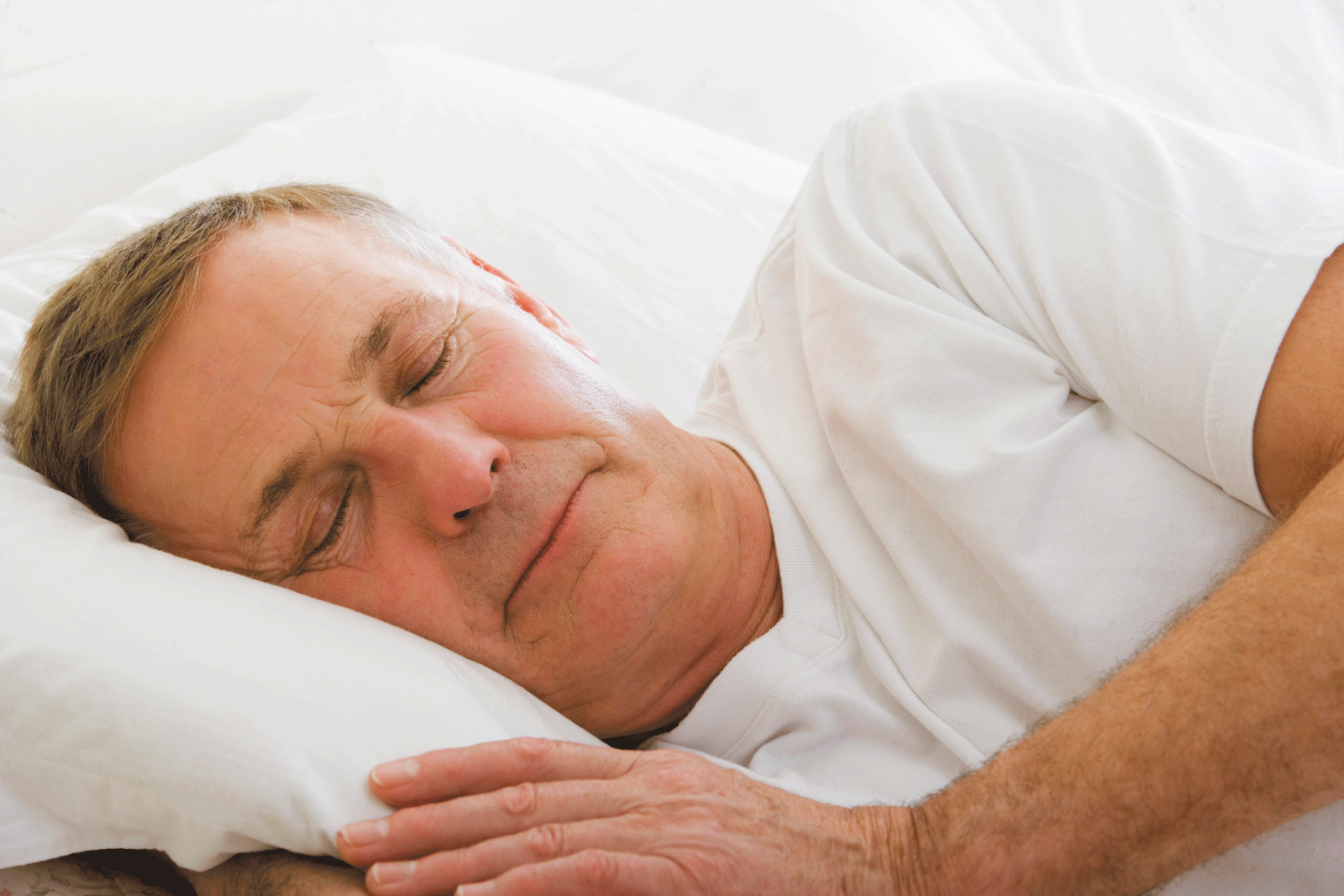
Too much or too little sleep linked to stiffer arteries
Image: Thinkstock
Research we're watching
People who sleep too much or too little may be more likely to have early signs of heart disease, according to a study of more than 47,000 apparently healthy young and middle-aged adults.
The study volunteers filled out sleep questionnaires and underwent tests to assess the arteries in their hearts and legs. Researchers found that people who slept for nine or more hours per night had more calcium buildup in their heart artery walls and stiffer leg arteries than those who slept seven hours per night. These early signs of heart disease were also more prevalent in people who logged five or fewer hours of sleep per night and in people who reported poor sleep quality.

Not satisfied with your sex life?
Image: Thinkstock
Erectile dysfunction is common, but it's not always the problem. A doctor can help you get to the bottom of it.
Erectile dysfunction (ED) is difficulty either getting or maintaining an erection firm and lasting enough for a satisfying sexual encounter. The most common cause is inadequate blood supply to the spongy tissues in the penis that provide rigidity. That's a straightforward "plumbing problem" that can usually be treated with medication. But there are other possible causes, too.
Will Prozac help my premenstrual depression?
Ask the doctor
Q. I've had some severe bouts of depression before my periods. I have done my own research and I am willing to try an antidepressant. What dosage of Sarafem or Prozac is usually given to treat this?
A. Selective serotonin reuptake inhibitors (SSRIs) are an excellent option for treating premenstrual syndrome (PMS) and premenstrual dysphoric disorder (PMDD). In fact, most physicians now consider them first-line therapy. Many different SSRIs have been studied, including the one you asked about—fluoxetine (Prozac or Sarafem)—and they all appear to be equally effective.
Oat vs. dairy milk: Nutrition, benefits, and downsides
Microplastics: A hidden health threat?
Healing after food poisoning
What is tempeh? Benefits, nutrition, and how to use it
Light exposure at night may raise risk for heart disease
Whole grains may improve several heart risk factors at once
A lumbar belt may help ease low back pain
Children of centenarians may stay healthier and live longer too, study finds
Signs of pneumonia: Sometimes vague and unexpected
The surprising link between ovarian cancer and the fallopian tubes
Free Healthbeat Signup
Get the latest in health news delivered to your inbox!
Sign Up
