

Oat vs. dairy milk: Nutrition, benefits, and downsides

Microplastics: A hidden health threat?

Healing after food poisoning

What is tempeh? Benefits, nutrition, and how to use it

Light exposure at night may raise risk for heart disease

Whole grains may improve several heart risk factors at once

A lumbar belt may help ease low back pain

Children of centenarians may stay healthier and live longer too, study finds

Signs of pneumonia: Sometimes vague and unexpected

The surprising link between ovarian cancer and the fallopian tubes
Alzheimer's Disease Archive
Articles

How can you prevent cognitive decline? Try this combination strategy
Image: Thinkstock
Four steps—following a healthy diet, getting regular exercise, socializing, and challenging your brain—can improve your mental skills, even as you age.
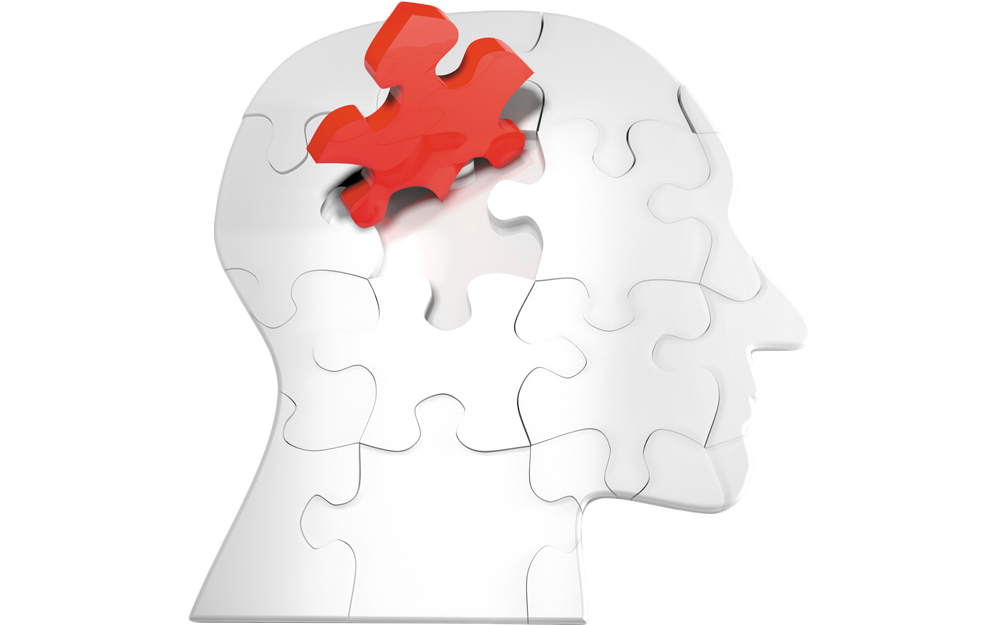
Observational studies over the past few years seem to be repeating the same message: regular physical activity, a good diet, taking on new mental challenges, and maintaining strong social connections may each help you hang on to your mind. The latest and most impressive study goes a step further by suggesting that if you follow all four practices, you may even reverse lost mental capacity. The results of the Finnish Geriatric Intervention Study to Prevent Cognitive Impairment and Disability (FINGER) indicated that doing so not only kept cognitive skills from declining, it also improved reasoning skills and speed in performing mental tasks.
A new look at treating Alzheimer's disease
Image: Thinkstock
Tau proteins, and not necessarily beta-amyloid, may be the key to unlocking a viable treatment.
Alzheimer's disease affects more than five million people, and that number is expected to more than double by 2050. While there is no cure, attention has refocused on what many researchers believe is a major player in Alzheimer's: tau proteins.

Heart disease: All in the family history
Image: Thinkstock
Is heart disease in your genes? And if so, can you do anything about it?
Cardiovascular disease continues to be the No. 1 killer of men, and while strides have been made to reduce the risk of heart attack and stroke, one area that remains elusive is genetics.
Fight back against gout
This common inflammation of the joints can be treated and managed with medication and lifestyle changes.
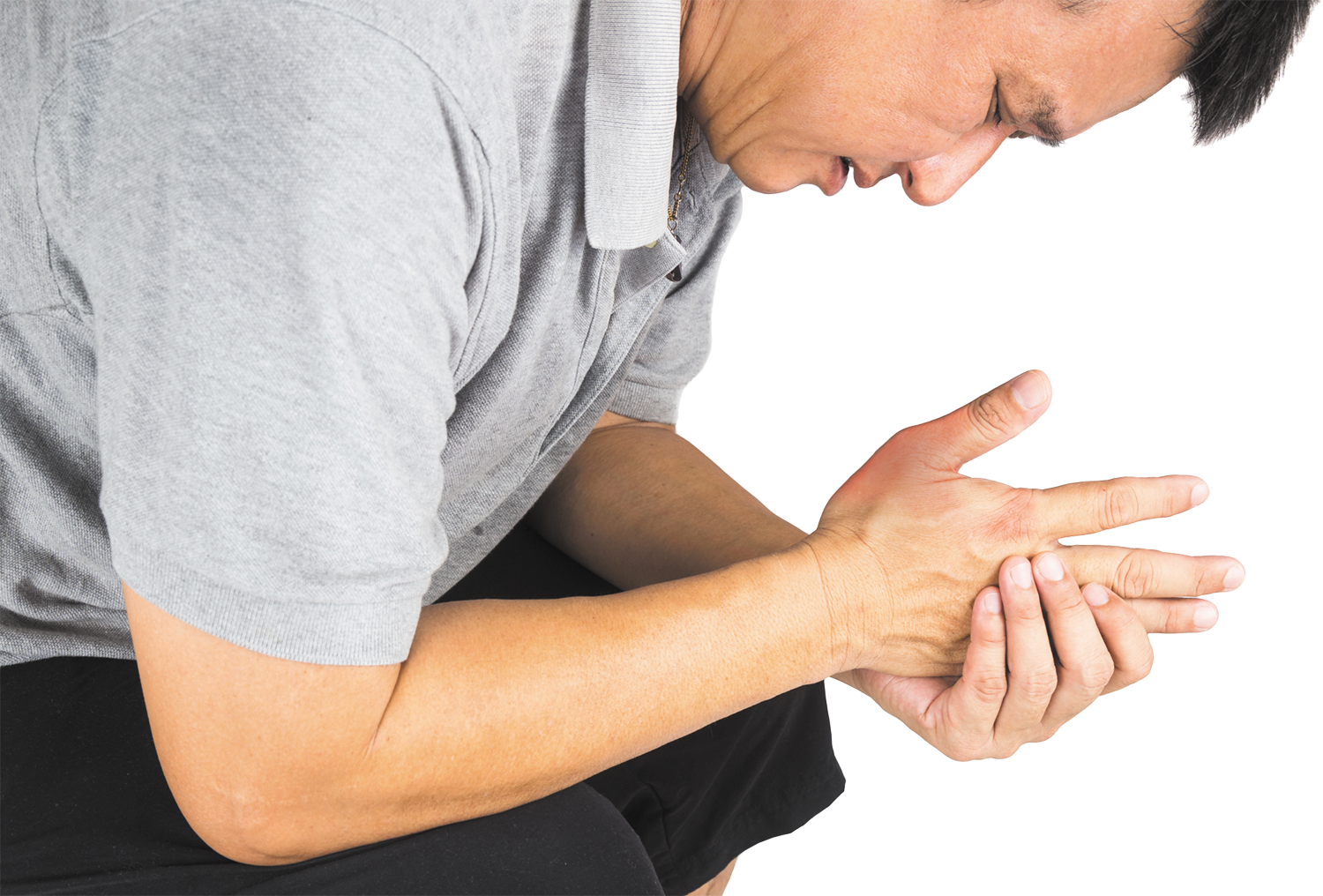
Gout affects more than eight million adults, six million of whom are men. It often strikes suddenly, like flicking on a light switch, and the pain is severe, with intense swelling and redness.
Food choices can dictate if you get gout, as high intake of organ meat, shellfish, and alcohol can raise your risk. But diet is only a part of it. "There is a direct relationship between advancing age and gout," says Dr. Robert Shmerling, clinical chief of rheumatology at Beth Israel Deaconess Medical Center.

Higher cardio fitness may improve multitasking skills
Image: Bigstock
In the journals
A study published in the journal Frontiers in Aging and Neuroscience (Aug. 25, 2015) has found that fitness levels in older adults correlates with activation in areas in the brain's frontal lobe responsible for executive function—mental skills used to manage time, plan and organize, and remember details. The researchers examined brain imaging and cardio fitness data from 128 adults ages 50 to 80. Cardio fitness level was determined by measuring maximal oxygen consumption (VO2 max) while a person walked at increasing speed on a treadmill. Executive function skills were measured by how fast and accurately a person responded to computer stimuli like numbers and letters.
The results: People with a higher cardiorespiratory fitness level showed greater brain activation in the frontal lobe. They were also better at performing two simultaneous tasks compared with a single one. This is important since older adults have more difficulty processing multiple tasks, says the researchers. While this study found a link between good cardio health and better cognitive function, more research is needed to show you can improve your brain function by increasing your fitness.

When to treat a narrowed heart artery
Ask the doctor
Q. A test showed a 50% blockage in one of my major heart arteries. That sounds pretty bad to me, but the cardiologist said I didn't need a stent. Why?
A . Your reaction is not unusual. Many people find it hard to understand why that degree of blockage wouldn't be treated with a stent—a tiny, flexible mesh tube that props open a newly cleared artery. But while stents can be helpful, they're not risk-free. The procedure to open the artery (angioplasty) involves threading a balloon-tipped tube from the wrist or the top of the thigh up to the heart. Minor risks include discomfort and bleeding at the insertion site. Rare but more serious risks (such as a heart attack) occur in about 3% of people undergoing the procedure. And to prevent blood clots at the stent site, people need to take anti-clotting medications for up to a year afterward.

Artery disease below the belt
Peripheral artery disease can be debilitating and dangerous.
Most often, concern about atherosclerosis (when fatty deposits clog arteries) centers on the coronary arteries, which serve the heart. But the arteries outside the heart—the so-called peripheral arteries—are also vulnerable.
When you're active, your leg muscles need extra oxygen. But narrowed arteries in the legs can't deliver enough blood and oxygen to keep up with the demand. The result is pain in the calf, thigh, or buttock while walking that goes away with rest. Known as claudication, it's the classic symptom of peripheral artery disease (PAD). But many people with PAD either don't have symptoms or mistake them for another problem. As a result, PAD often goes unrecognized.

Sleep apnea solutions that lower cardiovascular risks
Image: Bigstock
Devices to treat nighttime breathing problems may help lower blood pressure and reduce the harm to your heart.
Peaceful slumber is often a pipe dream for people with obstructive sleep apnea. More than 25 million Americans have this problem, in which the tongue or throat tissue temporarily blocks the airway during sleep. The resulting pauses in breathing (called apneas) lead to explosive snoring or gasping for breath—sometimes more than 30 times per hour.

Peer support good for the heart
Image: Thinkstock
Research we're watching
Many people know what they need to do to keep their hearts healthy. The challenge is making changes (like exercising regularly and eating more fruits and vegetables) and sticking with them. New research suggests monthly meetings with a group of peers who offer support and encouragement can help.
The study included 543 adults with at least one risk factor for heart disease (being overweight, smoking, being physically inactive, or having high blood pressure). Half were randomly assigned to a self-management control group. The others were placed in teams of 10 for the peer-group interventions. Two peer-elected trained leaders headed each group meeting, which involved role-play, brainstorming, and activities to address emotions, diet, and exercise. The groups met for 60 to 90 minutes monthly for one year.

Mindfulness: Not just for stress reduction
Image: iStock
The meditative practice is being used for everything from boosting happiness to treating high blood pressure.
Mindfulness, which trains you to focus your mind on the present moment, is more than a popular meditation technique. It's been shown to help treat depression and anxiety and improve sleep quality. And it's now being studied as a complementary therapy for cancer, stroke, multiple sclerosis, and pain. "We're seeing an exponential increase in doctors embracing mindfulness as a treatment," says Dr. Ronald Siegel, assistant professor of psychology at Harvard Medical School and faculty editor of the Harvard Special Health Report Positive Psychology.
Oat vs. dairy milk: Nutrition, benefits, and downsides
Microplastics: A hidden health threat?
Healing after food poisoning
What is tempeh? Benefits, nutrition, and how to use it
Light exposure at night may raise risk for heart disease
Whole grains may improve several heart risk factors at once
A lumbar belt may help ease low back pain
Children of centenarians may stay healthier and live longer too, study finds
Signs of pneumonia: Sometimes vague and unexpected
The surprising link between ovarian cancer and the fallopian tubes
Free Healthbeat Signup
Get the latest in health news delivered to your inbox!
Sign Up
