

Oat vs. dairy milk: Nutrition, benefits, and downsides

Microplastics: A hidden health threat?

Healing after food poisoning

What is tempeh? Benefits, nutrition, and how to use it

Light exposure at night may raise risk for heart disease

Whole grains may improve several heart risk factors at once

A lumbar belt may help ease low back pain

Children of centenarians may stay healthier and live longer too, study finds

Signs of pneumonia: Sometimes vague and unexpected

The surprising link between ovarian cancer and the fallopian tubes
Alzheimer's Disease Archive
Articles

Introduction to yoga: The modified sun salutation
People new to yoga will eventually learn the sun salutation, a so-called "yoga flow." You can modify the sun salutation and still learn all the basic moves by using a chair and a floor mat. Learn more at Introduction to Yoga from Harvard Health Publishing.
Ask the doctor: Ongoing treatment for atrial fibrillation
Q. Last year, I was diagnosed with atrial fibrillation and started taking an anti-clotting drug to lower my stroke risk. But my heart is now back in a normal rhythm. Why is my cardiologist keeping me on the drug?
A. During a bout of atrial fibrillation, or afib, the heart's upper chambers (atria) quiver erratically instead of making normal, steady contractions. This common heart rhythm disorder takes many different forms. While some people seem to have a single, isolated episode of afib, others have persistent afib, which lasts longer than a week. Common symptoms include a rapid, irregular heartbeat; a fluttering or "thumping" sensation in the chest; and feeling weak, dizzy, breathless, or fatigued.
Ask the Doctor: Can we prevent this type of dementia?
Q. Do you think we'll ever be able to prevent Alzheimer's disease?
A. I do. Not because I'm an optimist (though I am) but because of the results of research in the past 25 years.

Ask the Doctor: Which exercise is best for brains?
Image: Thinkstock
Q. I heard regular aerobic exercise is better for the brain than strength exercises (resistance training). Is that true?
A. The study you probably heard about involved rats, not humans. The rats were made to engage each day in sustained aerobic exercise, high-intensity interval training, or resistance training, or they were allowed to just be sedentary. At the end of the study, the researchers examined the rats' brains. The rats doing regular aerobic exercise had more brain cells than the sedentary rats. However, the rats made to perform high-intensity interval training or the ones doing resistance training did not have more brain cells than the sedentary rats.
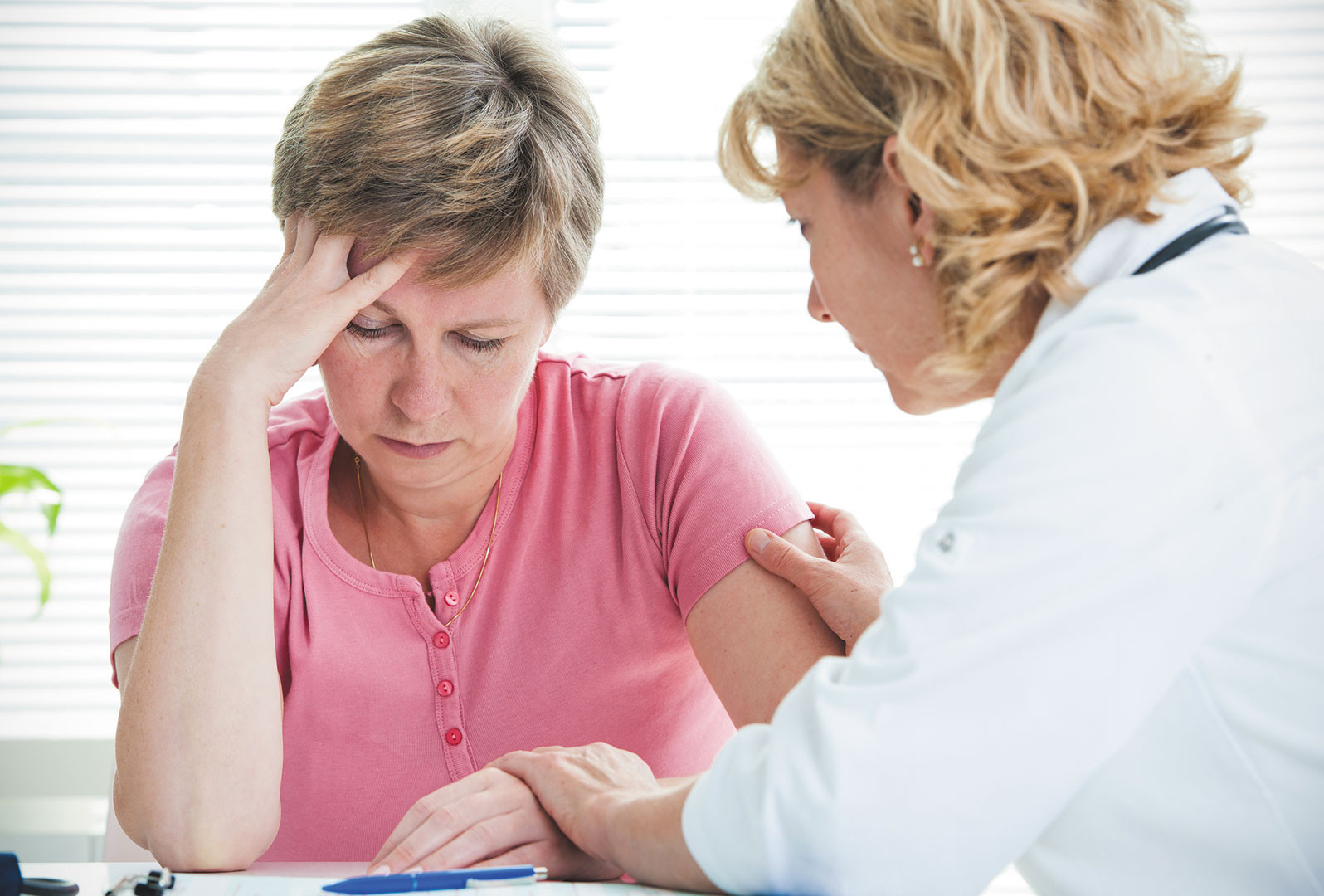
Do you need a depression screening?
News Briefs
Don't be surprised if your doctor screens you for depression at your next visit. An update to the U.S. Preventive Services Task Force recommendations for screenings, published Jan. 26, 2016, in The Journal of the American Medical Association, suggests that all adults 18 or older, including older adults, should be screened for depression when there are systems in place to ensure accurate diagnosis, effective treatment, and appropriate follow-up. The previous recommendations encouraged selective screening based on professional judgment and patient preferences. The new recommendation also includes pregnant and postpartum women for the first time. "Older adults often struggle with chronic disease, or the loss of a loved one, which may lead to depression," says Dr. Michael Craig Miller, an assistant professor of psychiatry at Harvard Medical School. "Screening is just a way to open the door for people who might otherwise not get the help they need." Dr. Miller says screening can simply be asking if, over a two-week period, you have either had little interest or pleasure in doing things or felt depressed and hopeless.

Caregivers: Heavier load may take a bigger toll on health
Image: Attila Barabas/Thinkstock
News Briefs
Caring for an elderly family member with disability, dementia, or both is a tough job. And those with the heaviest responsibilities suffer the most consequences, finds a study published Feb. 15, 2016, in JAMA Internal Medicine.
Researchers looked at information from two large national surveys of older adults and their family caregivers. They noted that about 15 million family caregivers are assisting almost eight million adults 65 or older, and 44% of caregivers are providing substantial care—about 28 hours per week—by helping with medication management, doctor visits, and transportation. Researchers found that people providing substantial care are more likely to live with the person they care for and are more likely to experience significant emotional, physical, and financial difficulty compared with caregivers who don't provide substantial help. Researchers also said people providing substantial care are more than five times as likely to miss out on activities they value and three times as likely to be less productive at work, compared with those who don't have such a heavy caregiving load.
Negative views of aging linked with increased risk of Alzheimer's
A negative attitude about aging appears to be associated with a higher likelihood of Alzheimer's disease.
A study in the journal Psychology and Aging examined healthy, dementia-free subjects from the Baltimore Longitudinal Study of Aging, the nation's longest-running scientific study of aging.
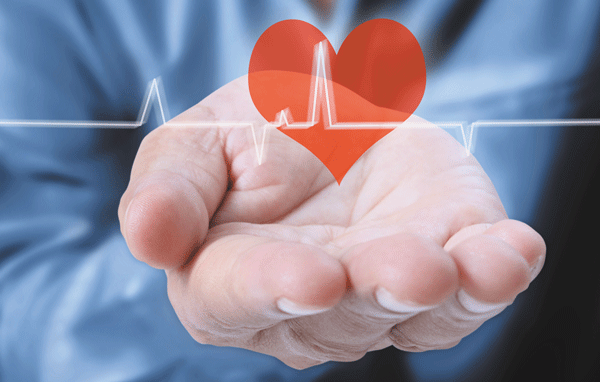
Be still, my beating heart
Heart palpitations can be alarming, but are they dangerous?
Do you ever feel that your heart is pounding, skipping, or racing so fast that you're certain it will explode from your chest at any moment? That's how many people describe the experience of heart palpitations. In the most literal sense, palpitations are simply an awareness of your heart beating, says Dr. William Stevenson, professor of medicine at Harvard-affiliated Brigham and Women's Hospital. The most familiar trigger for palpitations is heavy exercise, such as when you pedal extra hard to summit the last computerized hill in your indoor cycling class.
Skipping a beat
Although common, palpitations alarm many people, in part because they tend to come on unexpectedly. Isolated palpitations typically occur when a small rush of adrenaline courses through your body, causing your heart to beat more forcefully than usual. These surges can be generated by a strong emotion such as excitement, fear, or anger. They also can come on after consuming a stimulant such as caffeine.

Tips to get the most from your memory
As you've gotten older, have you noticed that you often find yourself marching around the house in a huff, searching for misplaced car keys or eyeglasses, or you just cannot remember the name of that new neighbor you met when walking the dog? It's frustrating, to be sure, but not inevitable — and there are things you can do to help keep your memory sharp.
"Most people get a little more forgetful with aging, but there are some simple things you can do to prevent memory slips and help your brain to learn and remember better," says Dr. Anne Fabiny, chief of geriatrics at Cambridge Health Alliance and an assistant professor of medicine at Harvard Medical School.
Oat vs. dairy milk: Nutrition, benefits, and downsides
Microplastics: A hidden health threat?
Healing after food poisoning
What is tempeh? Benefits, nutrition, and how to use it
Light exposure at night may raise risk for heart disease
Whole grains may improve several heart risk factors at once
A lumbar belt may help ease low back pain
Children of centenarians may stay healthier and live longer too, study finds
Signs of pneumonia: Sometimes vague and unexpected
The surprising link between ovarian cancer and the fallopian tubes
Free Healthbeat Signup
Get the latest in health news delivered to your inbox!
Sign Up
