

Oat vs. dairy milk: Nutrition, benefits, and downsides

Microplastics: A hidden health threat?

Healing after food poisoning

What is tempeh? Benefits, nutrition, and how to use it

Light exposure at night may raise risk for heart disease

Whole grains may improve several heart risk factors at once

A lumbar belt may help ease low back pain

Children of centenarians may stay healthier and live longer too, study finds

Signs of pneumonia: Sometimes vague and unexpected

The surprising link between ovarian cancer and the fallopian tubes
Alzheimer's Disease Archive
Articles

Attack of the gallstones
They affect more women, but men still are at risk.
Image: iStock
Most people never think about gallstones—that is until they experience the severe, gut-piercing pain of a gallstone attack. "These often strike after eating, especially a high-fat or high-cholesterol meal, and can last about 30 minutes to two or more hours," says Dr. William Brugge, past director of gastrointestinal endoscopy at Harvard-affiliated Massachusetts General Hospital.
The attacks often begin in the upper-right side of the abdomen and may spread to the back, between the shoulder blades, and under the right shoulder. Nausea or vomiting may also occur.

Need a quick brain boost? Take a walk
A brief bout of aerobic exercise can help if you need to stay focused on a task and solve problems more efficiently.
Image: Tomwang112/iStock
It's not news that exercise is good for your body. You can probably recite the litany of physical benefits of regular activity: Exercise helps control your weight, lowers your blood pressure, and dampens inflammation. It reduces the risk of having a heart attack or stroke or of developing diabetes or certain cancers.
But exercise is just as important for your mind. Not only is regular exercise associated with a reduced risk of depression and anxiety, there is mounting evidence that it slows cognitive decline and may reduce the risk of dementia. "There is good evidence that exercise behaves like medicine to improve brain health and thinking skills. There is a growing body of science behind this," says Dr. Scott McGinnis, assistant clinical professor of psychiatry at Harvard Medical School.
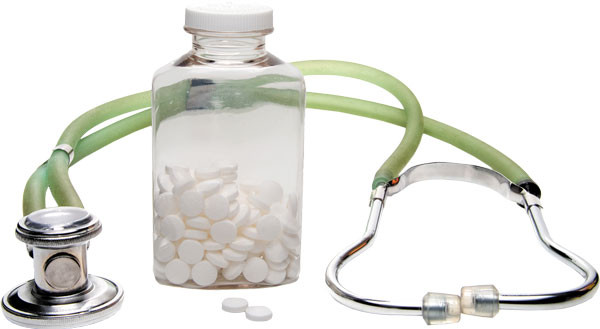
Why you should always have aspirin on hand
This old standby may not be your first choice for pain relief, but it still has an important role in disease prevention and first aid.
Image: Thinkstock
We have a lot to thank aspirin for. It's cheap and plentiful. It does a good job of relieving pain and bringing down fevers. It has also been shown to reduce the risk of heart attack, stroke, and colon cancer. It can even stop heart attacks and strokes in their tracks. In fact, if you're in your 50s or 60s, you may want to think about taking a low-dose aspirin every day.
After evaluating the results of scores of studies, in April 2016 the U.S. Preventive Services Task Force (USPSTF) recommended that women and men ages 50 through 69 who have a 10% risk of a heart attack or stroke in the next 10 years take 81 milligrams (mg) of aspirin daily. Under the previous recommendations—which, were different for men and women—daily low-dose aspirin was advised for women ages 60 through 79 who were at increased risk for cardiovascular events. The recommendation was revised to reflect a new method of calculating the risk of heart attack and stroke and of increased risk of bleeding in older people.

Attending religious services linked to longer lives, study shows
Attending religious services frequently has been linked to fewer deaths over 16 years among women in the Nurses’ Health Study.
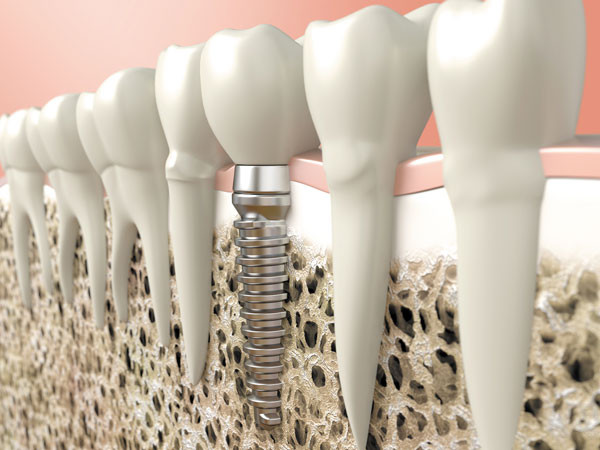
Dental implant reality check
Are these advances in dental health right for you?
Image: GuidoVrola/Thinkstock
Tooth decay, gum disease, and injury to the mouth can all lead to the loss of one or more teeth. The standard solution usually involves removable dentures or a fixed bridge. A newer option, dental implants, is also gaining popularity. "Implants can significantly improve your quality of life," says Dr. German Gallucci, department chair of restorative dentistry at the Harvard School of Dental Medicine.
About implants
Uses and benefits
In older adults, implants are typically used to replace one or two missing teeth (but not a mouthful). "Before implants, the only option we had was a bridge. With the implant, you can independently restore the tooth. That's a significant improvement in our therapy, to the point that we have reduced the number of bridges we do nowadays," says Dr. Gallucci.
Implants are also used to anchor a bridge or dentures. "Without implants, dentures move while you eat or speak, which makes it difficult to do either. But when you clip the denture onto an implant, it stays in place and functions normally," says Dr. Gallucci. He says supporting dentures or bridges may require two or more implants.
Requirements
Considerations
There are few downsides to getting implants. One is cost. "The range varies from state to state. It could be between $2,000 and $6,000 for one tooth and crown. But that's comparable to a bridge," says Dr. Gallucci.
Some insurance plans cover implants, especially for a missing tooth. Medicare does not pay for implants.
Another drawback: the time involved in healing. But the benefits, says Dr. Gallucci, can be worth it.
If you're interested in pursuing implants, he recommends getting several opinions. You can start by making an appointment with either a dentist who's surgically trained to place implants and has years of experience, or a prosthodontist—an expert in tooth restoration and replacement.
What to eat when your teeth and gums hurtIt's common after oral surgery to have some pain for a day or two, or even longer. This may mean that you have to be especially mindful of what you eat and drink. Sensitivity to hot and cold items is typical. But even the act of chewing can be uncomfortable. What's best to eat? "Avoid crunchy and sticky foods and stick to a soft diet," says Dr. German Gallucci, a restorative dentistry expert at the Harvard School of Dental Medicine. "Go with soups, pastas, yogurt, and even baby food." He advises avoiding the side of your mouth that's been operated on, and eating only small bites of food that keep your teeth from making forceful contact. Other tips: Avoid anything very hot on the first day after surgery, as heat can increase the risk of bleeding; drink a lot of fluid, at least five or six cups per day; and baby yourself. "Give your mouth a chance to heal," he says. |

5 ways to fight loneliness and isolation
Act now to avoid potential dangers associated with solitary living, such as coronary artery disease, stroke, and thinking skills decline.
Image: iStock
One lovely picture of older age is of smiling seniors enjoying their golden years with partners, friends, and family. In reality, many seniors are isolated and lonely. The National Council on Aging reports that one in six adults ages 65 or older is isolated, either socially or geographically. And in a 2010 AARP survey, 25% of respondents ages 70 or older said they felt lonely.
Health risks
Simple steps to connect
Fighting back against loneliness and isolation takes planning and effort. Consider the following strategies.
1. Reach out to family and friends, even if it's just with a phone call or a video call (using a computer program or smartphone app to actually see the person you're talking with). "Virtual connections are still connections," says Dr. Miller. "Even a quick text or seeing someone's face on a screen can improve your well-being." Make contact with someone a regular part of your day, like taking medicine or exercising.
2. Have no transportation? Take advantage of driver services through a retirement center or a government-sponsored affordable ride program, so you can get out of your house. The U.S. Administration on Aging can refer you to transportation opportunities in your area. For more information, call 800-677-1116 or go to www.eldercare.gov.
3. Join a club that interests you (a book club, a jazz club, a collectors club), or a spiritual community (a church, mosque, or synagogue). Or become a volunteer at an organization you support.
"When you're alone, you focus too much on yourself and dwell on regrets or worries. When you're with other people, you turn your focus outward. When you're thinking less about yourself, you're worrying less about yourself," says Dr. Miller.
4. Get a pet, if you are physically and mentally able to care for it; pets make wonderful companions, and they provide many emotional and physical benefits.
5. Sign up for visits by volunteers from senior centers or for Meals on Wheels, which also has a visitors program. "Simply having conversations with people will stimulate your brain and make you feel better," says Dr. Miller.
Are you at risk for loneliness or isolation?Isolation is a risk factor for loneliness. "There's no hard-and-fast rule that everyone needs to be involved with others all the time, but we tend to feel better when we're with others, and we may feel worse if we're often alone," says Dr. Michael Craig Miller, a Harvard Medical School assistant professor of psychiatry. What causes isolation? Risk factors include living alone, without family support; having a disability; struggling with language barriers; and facing geographical challenges—such as living in a rural area or not having transportation—that keep you from accessing benefits. |

Caregivers: Remember your own health
It appears that caregivers of people who spend a week or more on an ICU ventilator have a high risk for developing clinical depression that can last up to a year after the ICU survivor is discharged.
Depression in men: Getting the right treatment
Dr. Terry Schraeder talks with Dr. Michael Miller about the symptoms of depression in men and getting over the gender hurdles to find the right treatment.
Can stem cells treat eye disease?
Stem cell research has led to techniques to restore vision in animals and to grow new, healthy lenses in human babies born with cataracts.

Is an underlying condition causing your fuzzy thinking?
The top five causes you may be overlooking.
Image: the-lightwriter/iStock
You know the feeling: you can't find a particular word, remember someone's name, or concentrate the way you once did. Is it just aging, or is something else to blame? "It's easy to underestimate how underlying conditions affect memory and thinking, and they are often overlooked," says Dr. Shreya Raj, a neuropsychiatrist with the Center for Brain/Mind Medicine at Harvard-affiliated Brigham and Women's Hospital.
Common causes
What you should do
When trouble with concentration or memory interferes with your day, it's probably time to talk to your primary care doctor. Report any additional symptoms you may be having, such as fatigue, muscle weakness, sadness, daytime sleepiness, or anxiety. You might need some blood tests to check your thyroid hormones or B12 levels (neither test is ordered routinely), or a sleep test if you have sleep apnea symptoms.
Often, treating an underlying condition can restore your clarity of thinking. "When we treat depression or sleep apnea, for example, we see a sudden improvement in memory and focus," says Dr. Raj. "And if a medication side effect is the problem, changing the dose or type of drug may resolve the problem."
If treating an underlying condition doesn't sharpen thinking skills, your doctor may refer you to a neuropsychologist for formal tests of your thinking ability, particularly signs of dementia. Most of the time, however, people with fuzzy thinking do not have dementia.
Fuzz bustersWhen you're struggling with fuzzy thinking, lifestyle changes like these can bring more clarity. Get more sleep. Aim for seven to eight hours of sleep per night. "Older adults to tend to sleep less, but if you're getting too little sleep, you won't think as sharply as you could," says Dr. Shreya Raj. Boost your Z's by going to sleep and waking at the same time each day, and avoiding caffeine, particularly after noon. Exercise more. Try to get 150 minutes of moderate-intensity activity per week, such as brisk walking. You'll get more sleep and boost blood flow to the brain. Many studies have shown that aerobic exercise in particular improves thinking skills. Change your diet. "Not eating healthfully makes you more sluggish, even in thinking. Studies have shown the Mediterranean diet may improve cognitive function," says Dr. Raj. The diet includes fresh vegetables and fruits; whole grains; olive oil; nuts; legumes; fish; moderate amounts of poultry, eggs, and dairy; moderate amounts of red wine; and red meat only sparingly. Image: JackF/Thinkstock |
Oat vs. dairy milk: Nutrition, benefits, and downsides
Microplastics: A hidden health threat?
Healing after food poisoning
What is tempeh? Benefits, nutrition, and how to use it
Light exposure at night may raise risk for heart disease
Whole grains may improve several heart risk factors at once
A lumbar belt may help ease low back pain
Children of centenarians may stay healthier and live longer too, study finds
Signs of pneumonia: Sometimes vague and unexpected
The surprising link between ovarian cancer and the fallopian tubes
Free Healthbeat Signup
Get the latest in health news delivered to your inbox!
Sign Up
