

Oat vs. dairy milk: Nutrition, benefits, and downsides

Microplastics: A hidden health threat?

Healing after food poisoning

What is tempeh? Benefits, nutrition, and how to use it

Light exposure at night may raise risk for heart disease

Whole grains may improve several heart risk factors at once

A lumbar belt may help ease low back pain

Children of centenarians may stay healthier and live longer too, study finds

Signs of pneumonia: Sometimes vague and unexpected

The surprising link between ovarian cancer and the fallopian tubes
Alzheimer's Disease Archive
Articles

Reading books may add years to your life
An analysis of records of 5,635 participants in the Health and Retirement Study linked regular book reading with a 20% reduced risk of dying over a 12-year period.

Talk to the animals
Animal-assisted therapy can be your best friend when it comes to mental support.
Image: Jevtic /Thinkstock
They say a dog is man's best friend, but when it comes to better health, any type of animal bonding will do.
Research shows that interaction with animals like dogs, cats, and even horses can have both immediate and long-lasting impacts on your mental well-being. Done more formally in a medical context, it's known as animal-assisted therapy (AAT).

Should I worry about a heart murmur?
Heart murmurs can occur when people are young and then return in older age. There are three main causes in adults: increased volume or speed of blood flowing through a normal heart, a stiff heart valve, or a leaky heart valve. Most do not lead to heart problems, but a change in the murmur’s intensity or the appearance of symptoms like shortness of breath, light-headedness, or chest pain would prompt a further medical evaluation.
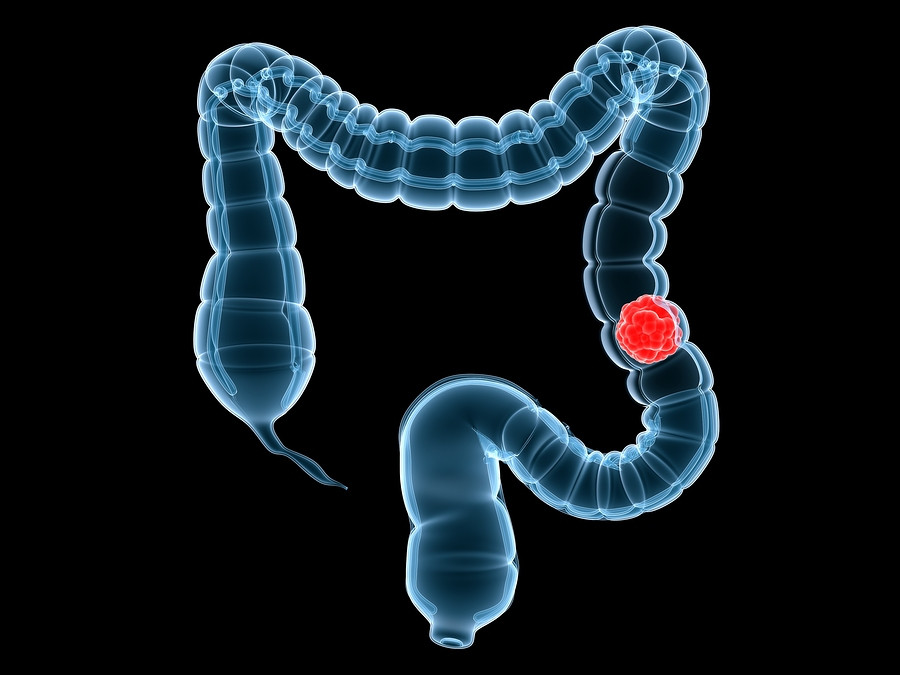
A new look at colon cancer screening
Don't be intimidated about screening tests. The latest guidelines suggest you can choose from multiple strategies.
Image: Bigstock
Colon cancer continues to be the country's second leading cause of cancer-related deaths and the third most common cancer in men, according to the CDC.
It almost always develops from precancerous polyps (abnormal growths). Screening tests, which are recommended for men ages 50 to 75, help find and sometimes aid removal of polyps before they become cancer. (Men older than 75 may still benefit, depending on their health.)

Treatment options for obstructive sleep apnea
A range of choices may help you get a better night's sleep.
Image: Courtsey of Carpenter Co.
When the doctor says you have obstructive sleep apnea (OSA), you'll likely hear about the gold standard in treatment: continuous positive airway pressure (CPAP), which uses forced air, pushed through a tube connected to a face mask, to keep your airway unblocked. Yet many people have trouble adjusting to a bulky CPAP mask. "We often see people who say they tried CPAP and didn't like it, and now it's been years since they've had treatment," says Dr. Stuart Quan, the Gerald E. McGinnis professor of sleep medicine at Harvard Medical School.
You may be able to adjust to CPAP by trying relaxation exercises, practicing wearing the mask during the day, and gradually increasing CPAP pressure. But if it doesn't work out, you do have alternatives.
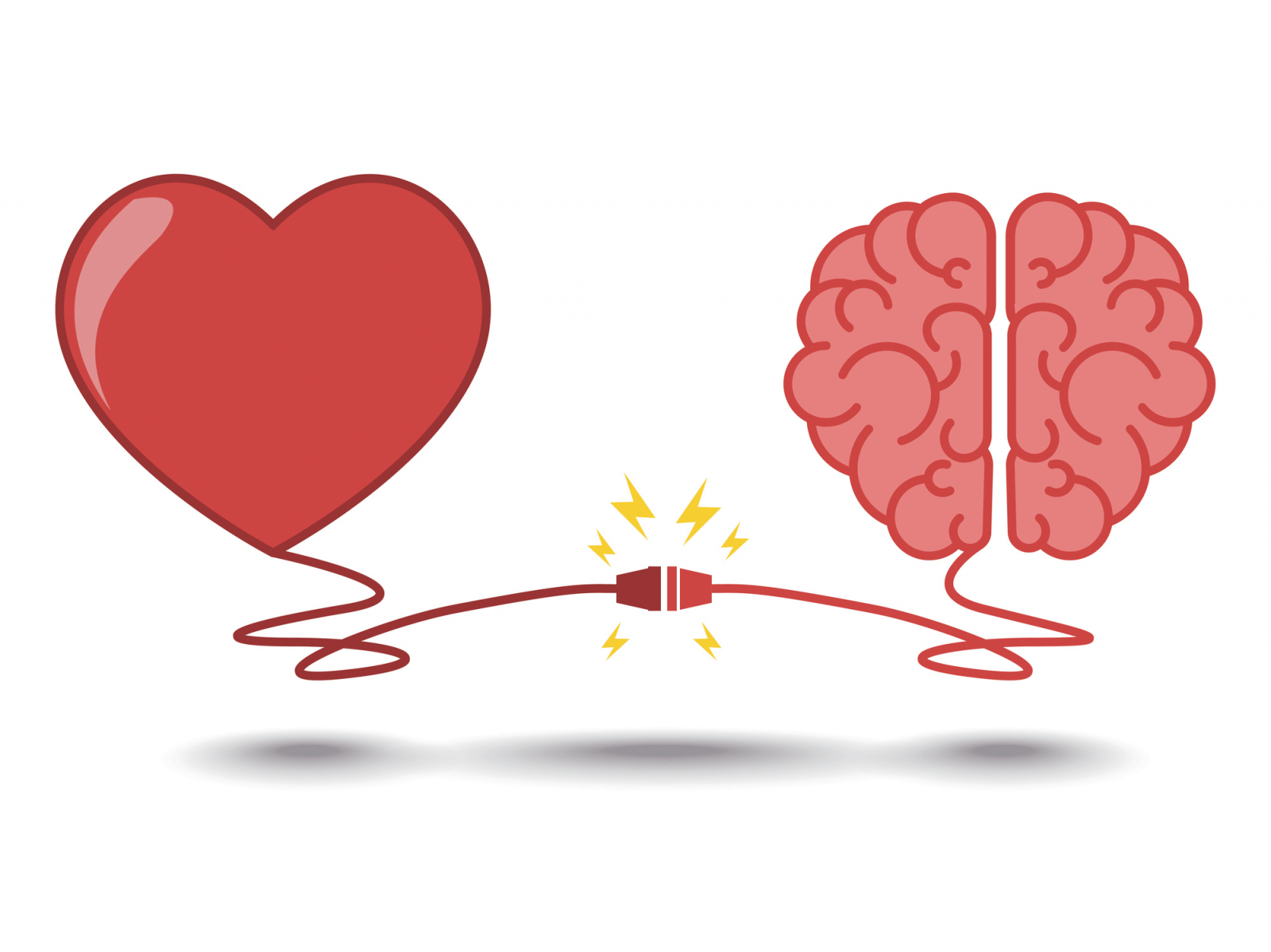
Heart disease and brain health: Looking at the links
Poor blood flow in the brain can chip away at thinking skills.
Image: RootsBeforeBranches/Thinkstock
Just like in the rest of your body, advancing years can take a toll on your brain function. Much of this slowing down is predictable and can be chalked up to normal aging. However, when thinking skills become increasingly fuzzy and forgetfulness gets to be a way of life, an early form of dementia known as mild cognitive impairment may be setting in (see "Normal aging vs. mild cognitive impairment").
Often, the first reaction is to attribute these changes to the beginning of Alzheimer's disease. But blood flow problems may be to blame, as well. "An estimated one-third of all cases of dementia, including those identified as Alzheimer's, can be attributed to vascular factors," says Dr. Albert Hofman, chair of the department of epidemiology at the Harvard T.H. Chan School of Public Health.

Monitoring your heart rhythm with a smartphone: A good call?
An app that detects an irregular heart rhythm could be reassuring for people worried about afib.
Image: Prykhodov /Thinkstock
Just over two years ago, the FDA approved the AliveCor Heart Monitor, which consists of a smartphone app plus a phone case with special sensors on the back. Touching the sensors with your fingers allows you to see a simple version of your heart's electrical activity on the phone screen. In the latest version, called Kardia, the sensors just need to be near (not necessarily on) your phone. The readout reveals if your heart rhythm looks normal or if you appear to have atrial fibrillation (afib)—a rapid, irregular heart rhythm that raises the risk of stroke.
Currently, several new smartphone apps to alert you about possible afib using just the phone itself—no special case required—are under development. Recent research suggests they're about as accurate as the Kardia system, although they haven't yet been cleared by the FDA and aren't on the market. If and when they are, could these apps help improve afib screening?
Benefits of volunteering: This may be the time to cash in
A study published online Aug. 8, 2016, by BMJ Open found that volunteering seems to confer greater benefits for general well-being in middle and older age than earlier in life.

Fatty liver disease and your heart
About one in three adults has nonalcoholic fatty liver disease, an often-silent condition closely linked to heart disease.
Image: decade3d/ iStock
The largest organ inside your body, your liver performs hundreds of vital functions. It converts food into fuel, processes cholesterol, clears harmful toxins from the blood, and makes proteins that help your blood clot, to name a few. But an alarming number of Americans have a potentially dangerous accumulation of fat inside their livers. Known as nonalcoholic fatty liver disease (NAFLD), this condition is a leading cause of chronic liver disease in the United States—and an increasingly recognized contributor to heart disease.
"NAFLD increases the risk of heart disease independent of other traditional risk factors such as high blood pressure and cholesterol," says Dr. Kathleen Corey, director of the Fatty Liver Disease Clinic at Massachusetts General Hospital. Among people with NAFLD, heart disease is the top killer, accounting for more than 25% of deaths.
What can be done about droopy eyelids?
Droopy eyelids, known as ptosis, are often a normal occurrence of aging although some neurologic conditions also can cause the condition. Ptosis is not a serious problem unless it interferes with your vision. If this happens, or if your droopy eyelids are bothersome, you can opt for cosmetic surgery to repair your eyelids.
Oat vs. dairy milk: Nutrition, benefits, and downsides
Microplastics: A hidden health threat?
Healing after food poisoning
What is tempeh? Benefits, nutrition, and how to use it
Light exposure at night may raise risk for heart disease
Whole grains may improve several heart risk factors at once
A lumbar belt may help ease low back pain
Children of centenarians may stay healthier and live longer too, study finds
Signs of pneumonia: Sometimes vague and unexpected
The surprising link between ovarian cancer and the fallopian tubes
Free Healthbeat Signup
Get the latest in health news delivered to your inbox!
Sign Up
