

Oat vs. dairy milk: Nutrition, benefits, and downsides

Microplastics: A hidden health threat?

Healing after food poisoning

What is tempeh? Benefits, nutrition, and how to use it

Light exposure at night may raise risk for heart disease

Whole grains may improve several heart risk factors at once

A lumbar belt may help ease low back pain

Children of centenarians may stay healthier and live longer too, study finds

Signs of pneumonia: Sometimes vague and unexpected

The surprising link between ovarian cancer and the fallopian tubes
Alzheimer's Disease Archive
Articles

What is a lacunar stroke?
Lacunar strokes, which account for about one-fifth of all strokes, occur in small arteries deep within the brain. Although these strokes may not cause symptoms, those that do may cause weakness in the face, arm, or leg on one side of the body.
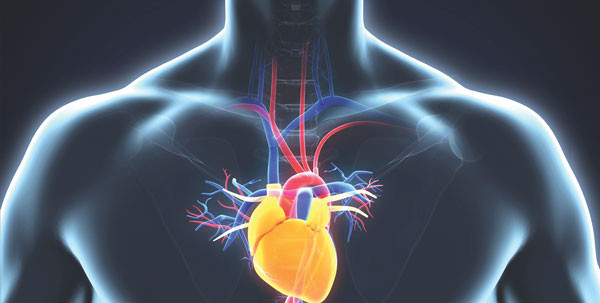
Bringing awareness to aneurysms in the chest
Most often, bulges in the aorta near the heart are found by accident. Should you be screened for this rare yet dangerous condition?
Image: Nerthuz /Thinkstock
The aorta, the body's largest blood vessel, arises from the heart's left pumping chamber, then curves up and over the heart in a gentle arc. In some people, a weak spot in the aorta's wall causes the vessel to bulge outward like a worn-out bicycle tire. Called a thoracic aneurysm, this stealthy condition develops slowly and silently, rarely causing symptoms. And while some thoracic aneurysms are relatively harmless, others cause catastrophic problems. An estimated one in 10,000 people has a thoracic aneurysm, although the exact prevalence is unknown.
"Most thoracic aneurysms are discovered on an imaging test done for some other reason," explains Dr. Eric Isselbacher, associate professor of medicine at Harvard Medical School and co-director of the Thoracic Aortic Center at Massachusetts General Hospital. For example, an aneurysm might be visible on an echocardiogram (heart ultrasound) done during testing for an irregular heartbeat. Because the condition is so uncommon, testing everyone for a thoracic aneurysm doesn't make sense. But certain people face a higher risk than others (see "Who needs to be checked?").
Working out while angry? Just don’t do it
Anger or emotional upset may double the risk of having a heart attack. Heavy physical exertion appears to have the same effect. And people who do intense exercise while they’re upset or mad may face three times the risk of heart attack.

What causes a cough after a cold?
A persistent cough that remains after an infection has been treated can last for a month or two. There are several treatments that may offer relief, such as antihistamines or a bronchodilator inhaler.

Stopping exercise for 10 days can decrease brain blood flow
Stopping exercise for 10 days can reduce brain blood flow by 20% to 30% in eight brain regions, including the hippocampus, which is responsible for learning and memory and is one of the first brain regions to shrink in Alzheimer’s disease.

Does cranberry extract prevent UTIs?
Scientific evidence doesn’t support taking cranberry extract to prevent urinary tract infections.

What clinical trials can do for you
Participating in a medical study may benefit your health and perhaps that of millions of others.
Image: grandaded/Thinkstock
If you've ever considered donating your body to science—or granting science a temporary loan—now's the time to do it. Researchers are always recruiting patients for studies of new treatments and preventive strategies for diseases ranging from Alzheimer's to zoster (shingles). In the simplest terms, these studies compare existing approaches to newer ones in similar groups of people and determine which is more effective.
"Clinical trials are the vehicle by which we transfer things that we think into things that we know or don't know," says Dr. Jeffrey Drazen, professor of medicine at Harvard Medical School and editor in chief of The New England Journal of Medicine.

Health advice for 2017: Simplify, simplify
You may be able to save time and money—and spare yourself frustration—by adopting a more minimal approach to preventing disease.
Image: monkeybusinessimages /Thinkstock
As the Shaker lyrics go, "'Tis the gift to be simple," and simplicity is a gift you might want to grant yourself in the new year. If so, you'll have some help from health experts. In the past few years, complicated advice for diet and exercise has given way to simpler, more sustainable guidelines, and the FDA has come down in favor of simple soap and water over antimicrobial cleaners to prevent infectious diseases.
If you've vowed to make positive changes in your lifestyle this year, you're likely to be more successful if you don't take on complex new regimens. "People can achieve remarkable changes in their lives one small step at a time," says Dr. Edward M. Phillips, assistant professor of physical medicine and rehabilitation at Harvard Medical School and medical editor of the Harvard Special Health Report Simple Changes, Big Rewards (www.health.harvard.edu/change).

How to make boredom work for you
Exploring why you're bored can stimulate creativity and lead to a better understanding of yourself.
Image: KatarzynaBialasiewicz/iStock
Most of us have had times when we couldn't find anything satisfying to do or couldn't keep our attention focused on a lecture or book. If we were asked to describe how we felt at the time, we'd probably have answered "bored."
Boredom doesn't necessarily arise from having nothing interesting to do. For example, you can probably remember sitting quietly watching the sun slowly set and being completely enthralled. Compare that to another moment in which you've also sat quietly—but in slow moving traffic—and felt terribly bored. "What makes the difference is whether during a low-stimulation moment, there are unpleasant feelings in the background. Many of us habitually distract ourselves from unpleasant feelings through entertainment or activity—like checking our smartphones, or watching TV," says Dr. Ronald Siegel, a psychologist at Harvard Medical School and the medical editor of the Harvard Special Health Report Positive Psychology. "Sometimes when there is little to engage us, those unpleasant feelings bubble into our consciousness and we feel something unpleasant, which we identify as boredom. Other times we're content to just be present—like when enjoying a sunset."

Weight training may boost brain power
Weight training improved mental performance in a study of 100 men and women ages 55 through 86 who had mild cognitive impairment.
Oat vs. dairy milk: Nutrition, benefits, and downsides
Microplastics: A hidden health threat?
Healing after food poisoning
What is tempeh? Benefits, nutrition, and how to use it
Light exposure at night may raise risk for heart disease
Whole grains may improve several heart risk factors at once
A lumbar belt may help ease low back pain
Children of centenarians may stay healthier and live longer too, study finds
Signs of pneumonia: Sometimes vague and unexpected
The surprising link between ovarian cancer and the fallopian tubes
Free Healthbeat Signup
Get the latest in health news delivered to your inbox!
Sign Up
