

CoQ10: Should you take this popular supplement if you're on a statin?

Oat vs. dairy milk: Nutrition, benefits, and downsides

Microplastics: A hidden health threat?

Healing after food poisoning

What is tempeh? Benefits, nutrition, and how to use it

Light exposure at night may raise risk for heart disease

Whole grains may improve several heart risk factors at once

A lumbar belt may help ease low back pain

Children of centenarians may stay healthier and live longer too, study finds

Signs of pneumonia: Sometimes vague and unexpected
Alzheimer's Disease Archive
Articles

Hepatitis C: Still a major risk for baby boomers
News briefs
Image: © jarun011/Thinkstock
New cases of hepatitis C — a viral infection that attacks the liver — are at a 15-year high, according to surveillance data from the CDC released online May 11, 2017. The CDC estimates that there were about 34,000 new cases in 2015. Young adults (ages 20 to 29) account for most of the new infections, and the CDC attributes this to needle use from opioid addiction. But baby boomers (those born between 1945 and 1965) make up three-quarters of the 3.5 million people living with hepatitis C in the United States. Baby boomers are also the ones dying most often from the virus. New medicines can cure hepatitis C infections in as little as two to three months.
The CDC urges you to get a screening test for the virus if you were born between 1945 and 1965. Anyone who has used illicit intravenous drugs, had more than one sex partner, or who had a blood transfusion before 1992 also should get the test.

8 non-invasive pain relief techniques that really work
| Image: Bigstock |
Sometimes pain has a purpose — it can alert us that we've sprained an ankle, for example. But for many people, pain can linger for weeks or even months, causing needless suffering and interfering with quality of life.
If your pain has overstayed its welcome, you should know that you have more treatment options today than ever before. Here, we've listed eight techniques to control and reduce your pain that don't require an invasive procedure — or even taking a pill.

This is your brain on alcohol
It's no secret that alcohol affects our brains. Although excessive drinking is linked to an increased risk of dementia, decades of observational studies have indicated that moderate drinking has few ill effects. However, a recent British study seems to have bad news for moderate drinkers.
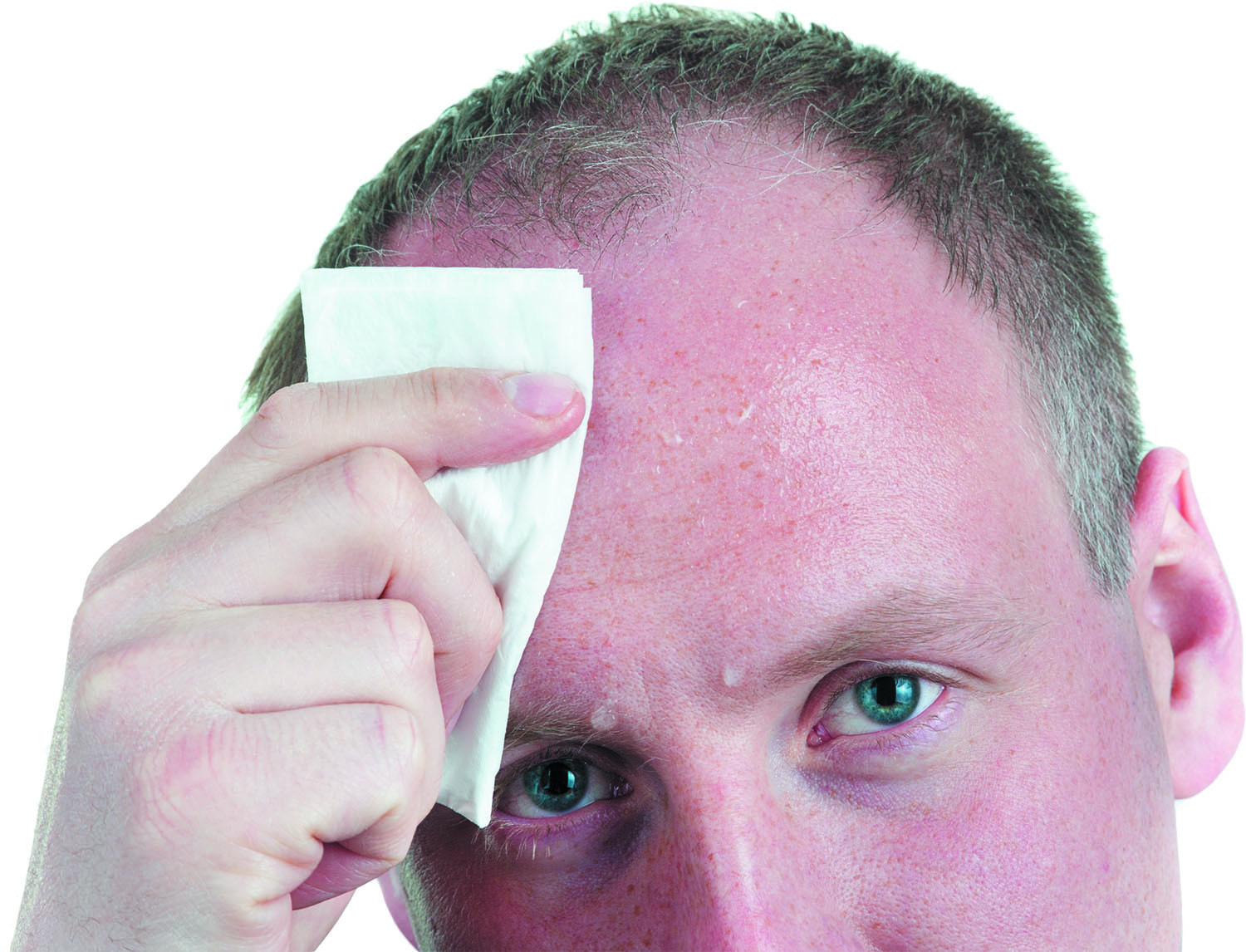
When is heavy sweating a problem?
On call
Image: © EunikaSopotnicka/Thinkstock
Q. I've noticed recently that I sweat excessively, regardless of the temperature. Should I be concerned?
A. Your genes can determine whether you sweat a lot, but a sudden change in your regular sweating may suggest an underlying condition. Sweating is regulated by your nervous system and can be triggered by a number of causes. The primary signal for perspiration originates in the brain in response to a temperature-related or emotional cue, and then is carried by the autonomic nervous system to the sweat glands in the skin.


Do I need to worry about floaters
A Harvard Medical School doctor answers a common eyesight question
Q: Recently, I started to notice tiny threadlike shapes in my field of vision. My doctor says they are "floaters." Should I be concerned?
A: "Floaters" is a catchall term for what look like dots, threads, or cobwebs drifting across your line of vision.

Treating anxiety without medication
| Image: iStock |
If you suffer from anxiety, the constant, nagging feelings of worry can be troubling and hard to control. These feelings are usually intense and out of proportion to the actual troubles and dangers in your everyday life. They can make it hard to function at home, at work, or in social situations.
Anxiety can be treated with medication, but several mind-body approaches may also be effective.

Whatever happened to CRISPR?
Ask the doctor
Image: © ktsimage/Thinkstock
Q. Several years ago you wrote about a new technology called CRISPR that might make it possible to cure some incurable diseases. I keep hearing about this in the news. Is it any closer to reality?
A. Yes, there has been progress. What does CRISPR stand for? You don't want to know. What does it do? You do want to know, because it's pretty amazing. A colleague here at Harvard Medical School, Dr. George Church, says CRISPR enables a scientist to "edit any piece of any DNA a thousand times more easily and precisely than before, which is game-changing for gene therapies." Why would doctors and scientists want to "edit" DNA? Because disease is caused by genes that are not built properly or are not turned on and off properly. Both problems, theoretically, can be corrected by precisely editing the DNA that makes up those genes.

Can relationships boost longevity and well-being?
Harvard research suggests meaningful relationships are a prescription for better emotional, mental, and physical health.
Image: © digitalskillet/Thinkstock
You probably know there are many ways to improve your well-being and chances of living longer, such as exercising more or eating better. But did you know that maintaining meaningful relationships also may play an important role in health, happiness, and longevity? "Good, close relationships appear to buffer us from the problems of getting old," says Dr. Robert Waldinger, a psychiatrist with Harvard-affiliated Massachusetts General Hospital.
Eight decades of research
Dr. Waldinger is the current director of the Harvard Study of Adult Development, an ongoing analysis that's followed more than 700 men since they were teenagers in 1938. More than 60 of the original participants, now in their 90s, are still taking part.

Are you at risk for COPD?
If you have a hacking cough and breathlessness, don't chalk it up to aging.
Maybe you never smoked, or you stopped decades ago. But you may still be at risk for chronic obstructive pulmonary disease (COPD). That's the umbrella term for a number of lung diseases that sometimes lead to disability and even death. "While about 80% of COPD cases are related to having smoked, 20% are not," says Dr. Bartolome Celli, a pulmonologist with Harvard-affiliated Brigham and Women's Hospital.
Diseases and symptoms
COPD includes emphysema, chronic bronchitis, severe asthma, or a combination of these conditions. They cause inflammation, destruction, or abnormal repair of airways and lung tissue, which reduces airflow and ultimately makes it harder to take in enough oxygen to supply the body.
CoQ10: Should you take this popular supplement if you're on a statin?
Oat vs. dairy milk: Nutrition, benefits, and downsides
Microplastics: A hidden health threat?
Healing after food poisoning
What is tempeh? Benefits, nutrition, and how to use it
Light exposure at night may raise risk for heart disease
Whole grains may improve several heart risk factors at once
A lumbar belt may help ease low back pain
Children of centenarians may stay healthier and live longer too, study finds
Signs of pneumonia: Sometimes vague and unexpected
Free Healthbeat Signup
Get the latest in health news delivered to your inbox!
Sign Up
