

CoQ10: Should you take this popular supplement if you're on a statin?

Oat vs. dairy milk: Nutrition, benefits, and downsides

Microplastics: A hidden health threat?

Healing after food poisoning

What is tempeh? Benefits, nutrition, and how to use it

Light exposure at night may raise risk for heart disease

Whole grains may improve several heart risk factors at once

A lumbar belt may help ease low back pain

Children of centenarians may stay healthier and live longer too, study finds

Signs of pneumonia: Sometimes vague and unexpected
Alzheimer's Disease Archive
Articles


Putting off retirement may benefit your brain, health, and longevity
The purpose and engagement of a job you love can keep you healthy and connected.
Image: © monkeybusinessimages/Thinkstock
While many women dream of kicking back and relaxing into retirement, there's increasing evidence that in some cases, it's better for your brain and your health to keep your nose to the grindstone a little longer.
"The research to date is mixed, but it tends toward the positive — that is, for many people, there are health benefits to working longer," says Dr. Nicole Maestas, associate professor of health care policy at Harvard Medical School.

Flu vaccine less effective in obese individuals
Research we're watching
Not only is obesity a risk factor for flu complications, but it might actually make the flu vaccine less effective, says a study published online June 6, 2017, by the International Journal of Obesity. Scientists at the University of North Carolina at Chapel Hill found that the flu shot provides less protection in people who are obese.
The study compared flu rates in 1,022 people during two recent flu seasons. All participants were vaccinated against the flu. The researchers looked at immune response to the vaccine and also tracked who went on to get the virus. They found that nearly 10% of obese participants got the flu, compared with 5% of their healthy-weight counterparts. This is bad news, because individuals with a body mass index of 40 or higher are also more prone to flu complications.
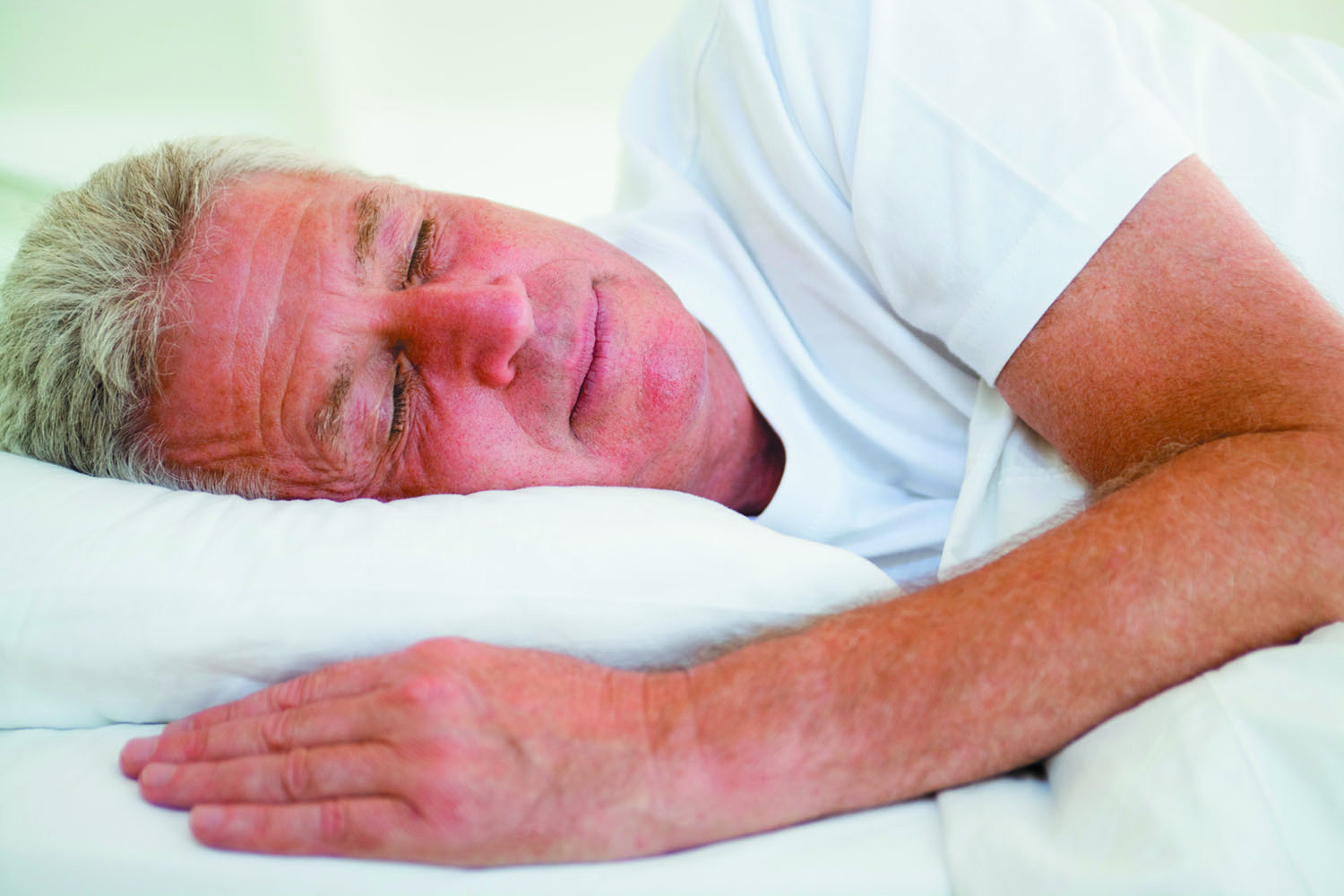
Alzheimer’s wake-up call
Can getting quality sleep help prevent the disease?
Image: © Monkey Business Images/Thinkstock
A good night's sleep does more than rejuvenate you for the next day. It may help protect you against Alzheimer's disease. Research has begun to show an association between poor sleep and a higher risk of accumulating beta-amyloid protein plaque in the brain, one of the hallmarks of the disease.
"Observational studies have found that adults over age 65 with amyloid plaques in their brain have reduced slow-wave sleep, which is thought to play an important role in memory function, even though these people do not yet show signs of Alzheimer's, like memory loss and cognitive decline," says Dr. Brad Dickerson, associate professor of neurology at Harvard Medical School. "It may be that quality sleep could play a role in who may get Alzheimer's."

Most people with pinkeye get unnecessary treatment
In the journals
If you get acute conjunctivitis, or pinkeye, you probably don't need antibiotic eye drops, suggests a study published online June 14, 2017, by Ophthalmology.
Pinkeye is caused by viral infection, allergy, or bacterial infection. Most people with pinkeye are prescribed antibiotic drops. However, a majority of cases are due to a virus or allergy, which do not respond to antibiotics. Antibiotic treatment can potentially delay healing and increase antibiotic resistance.

Avoiding health risks at the farmers’ market
Watch out for unpasteurized products, and ask vendors about food safety.
There's something magical about strolling through a farmers' market on a crisp autumn morning. The fruit and vegetables seem fresher there than they do in a store — apples taste tarter, tomatoes seem redder and riper. It's a farm-to-table connection that puts you in touch with nature and the harvest.
Maybe that's partly behind the explosion of farmers' markets across the country, climbing from about 2,000 markets in 1994 to more than 8,600 today, according to the Farmers Market Coalition. "It's a great way to get fresh produce and try different foods you may not have come across before. But it should be enjoyed with caution," urges Dr. Simi Padival, an infectious disease specialist with Harvard-affiliated Beth Israel Deaconess Medical Center.
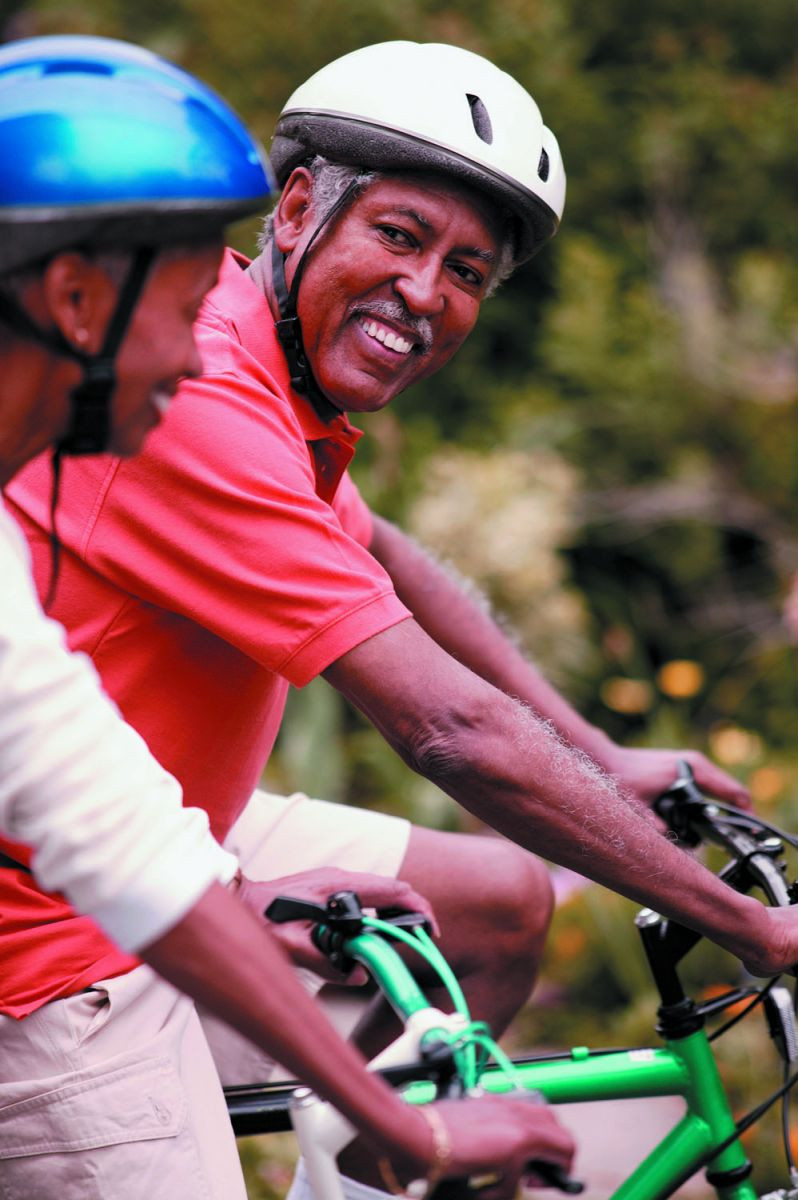
Better habits, better brain health
Exercising, maintaining good health, socializing, and learning new information may help keep you sharper, longer.
Everyone wants to live an active, vibrant life for as long as possible. And that goal depends on robust brain health. While we don't have a guaranteed way to prevent dementia, we do have increasing evidence that engaging in healthy lifestyle habits may help.
For example, a 2015 randomized controlled trial from Finland suggested that older adults with a number of healthy habits — such as eating a healthy diet, exercising regularly, and socializing — improved or maintained thinking skills and reduced the risk of cognitive decline.

How memory and thinking ability change with age
Scientists used to think that brain connections developed at a rapid pace in the first few years of life, until you reached your mental peak in your early 20s. Your cognitive abilities would level off at around middle age, and then start to gradually decline. We now know this is not true. Instead, scientists now see the brain as continuously changing and developing across the entire life span. There is no period in life when the brain and its functions just hold steady. Some cognitive functions become weaker with age, while others actually improve.
Some brain areas, including the hippocampus, shrink in size. The myelin sheath that surrounds and protects nerve fibers wears down, which can slow the speed of communication between neurons. Some of the receptors on the surface of neurons that enable them to communicate with one another may not function as well as they once did. These changes can affect your ability to encode new information into your memory and retrieve information that's already in storage.

Ringing in the ear: tinnitus and hearing loss
Many people with hearing loss also have tinnitus, commonly known as ringing in the ear. This phrase is misleading, however, because some people hear ringing while others hear whistles, chirping, or a combination of sounds. Regardless of the particular sound, the distinguishing feature is that it doesn't have an external cause. People with tinnitus hear sounds that people around them don't hear. This isn't to say that tinnitus isn't real—researchers at the National Institute on Deafness and Other Communication Disorders have detected changes in brain activity that occur with tinnitus.
Strategies that can help
Some people with hearing loss and tinnitus find that both problems improve after they get a hearing aid or have a cochlear implant. Others find that their tinnitus symptoms improve somewhat when they cut down on caffeine and alcohol, reduce the amount of fat in their diets, and quit smoking. The following techniques may also help reduce your tinnitus symptoms:

Electronic screen alert: Avoid this vision risk
Looking at a screen too long may lead to computer vision syndrome.
Image: © jacoblund/Thinkstock
There are many reasons to restrict the amount of time you spend in front of an electronic screen. For example, more hours sitting at a computer or smartphone means fewer hours of being physically active, and looking at a computer screen at night can stimulate the brain and make it difficult to fall asleep.
Here's another reason to curb screen time: a problem called computer vision syndrome — an umbrella term for conditions that result from looking at a computer or smartphone screen. "It's most prevalent with computers, and typically occurs when looking at a screen at arm's length or closer," says Dr. Matthew Gardiner, an ophthalmologist with Harvard-affiliated Massachusetts Eye and Ear Infirmary.
CoQ10: Should you take this popular supplement if you're on a statin?
Oat vs. dairy milk: Nutrition, benefits, and downsides
Microplastics: A hidden health threat?
Healing after food poisoning
What is tempeh? Benefits, nutrition, and how to use it
Light exposure at night may raise risk for heart disease
Whole grains may improve several heart risk factors at once
A lumbar belt may help ease low back pain
Children of centenarians may stay healthier and live longer too, study finds
Signs of pneumonia: Sometimes vague and unexpected
Free Healthbeat Signup
Get the latest in health news delivered to your inbox!
Sign Up
