

CoQ10: Should you take this popular supplement if you're on a statin?

Oat vs. dairy milk: Nutrition, benefits, and downsides

Microplastics: A hidden health threat?

Healing after food poisoning

What is tempeh? Benefits, nutrition, and how to use it

Light exposure at night may raise risk for heart disease

Whole grains may improve several heart risk factors at once

A lumbar belt may help ease low back pain

Children of centenarians may stay healthier and live longer too, study finds

Signs of pneumonia: Sometimes vague and unexpected
Alzheimer's Disease Archive
Articles

What are the best calcium sources for people who are lactose intolerant?
On call
Image: © Svetl/Thinkstock
Q. How can I get my daily requirement for calcium if I am lactose intolerant?
A. We usually associate high-calcium foods with dairy products, like milk, cheese, and yogurt. If you cannot tolerate these foods from a digestive standpoint, you can still meet your calcium requirement by increasing your consumption of certain green leafy vegetables and calcium-fortified foods.
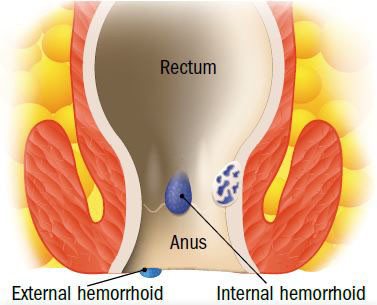
Help for hemorrhoids
One of the most embarrassing conditions also can be one of the easiest to treat and manage.
Image: © ttsz/Thinkstock
Hemorrhoids are without doubt among the most unpleasant of health topics. But if you have suffered from them, you may find comfort in knowing that you are not alone.
More than 75% of people ages 45 and older have had hemorrhoids, with symptoms like rectal pain, itching, and bleeding after a bowel movement.
Does osteoporosis cause any symptoms?
Ask the doctors
Q. Is there any way to tell if you are getting osteoporosis? Are there symptoms?
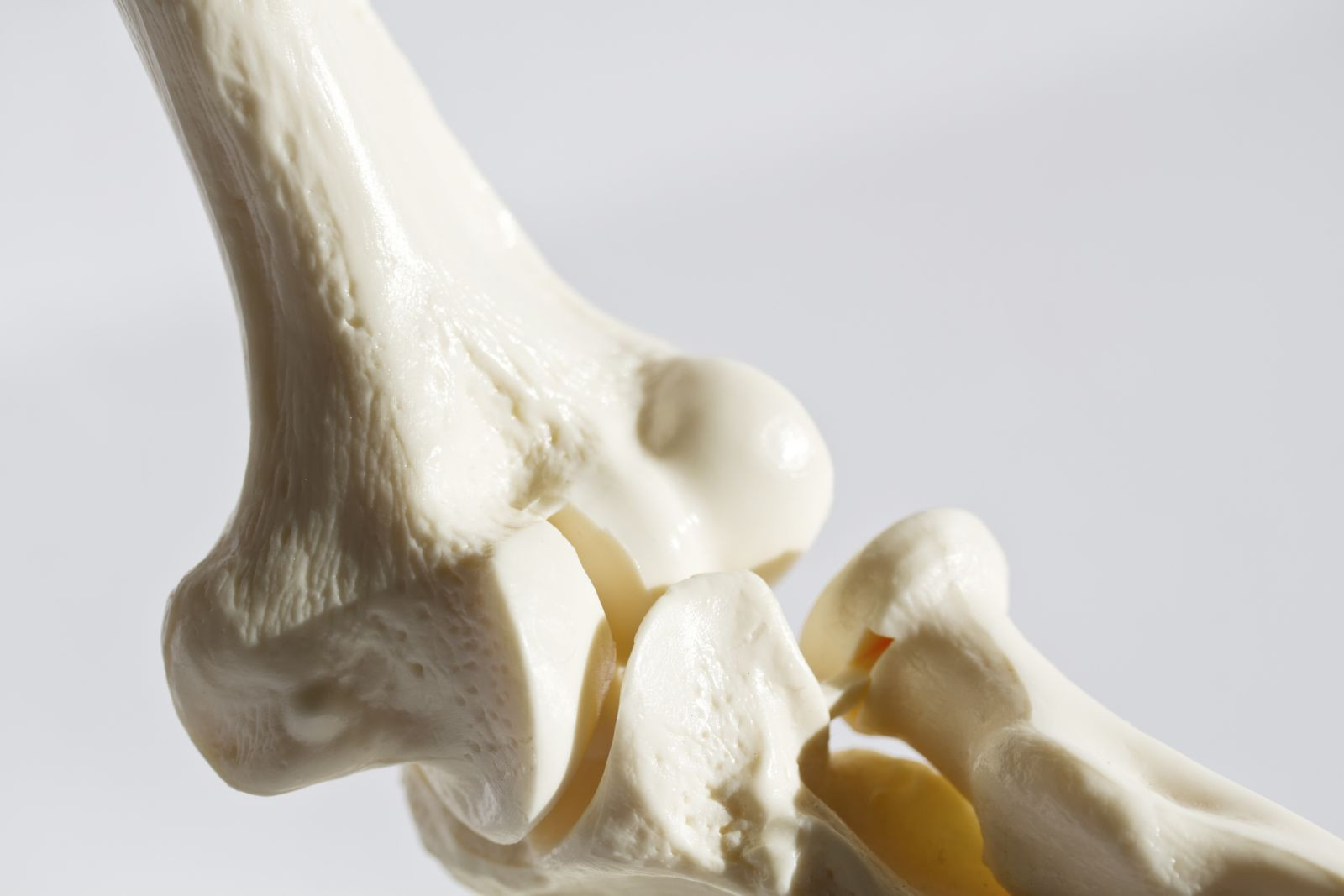
A. Osteoporosis is a disease that causes your bones to become weak and brittle and more likely to break. Unfortunately, you probably won't have any symptoms until the disease is advanced or you actually experience a fracture. However, there are two visible clues of osteoporosis: changes in your posture (such as a hunched-over appearance) and loss of height. Both of these changes may be caused when your spine becomes curved or compressed from weakness or tiny fractures (called compression fractures) in your vertebrae, the small bones that make up your spine.

Is it possible for adults to develop food allergies?
Ask the doctors
Image: © piotr_malczyk/Thinkstock
Q. Can adults develop food allergies, or is this possible only in children?
A. While food allergies are more common in children, adults can, and sometimes do, develop food allergies. You can become allergic to a food you've eaten without a problem for years, or a childhood allergy that disappeared can re-emerge. Certain foods are more likely to trigger allergic reactions than others, such as tree nuts, peanuts, shellfish, milk, and wheat.

Cancer report shows progress, fewer cancer deaths
Research we're watching
Good news on the cancer front: The cancer death rate dropped 35% between 1991 and 2014 among children and 25% in adults, according to the annual American Association for Cancer Research Cancer Progress Report. And more treatments for the disease are on the horizon. The FDA has recently approved nine new cancer treatments and signed off on expanding the uses of eight existing therapies to treat different types of cancer. Among the new treatments are innovative immunotherapeutics, which help some people with cancer live longer with a better quality of life; an imaging agent that will let surgeons more precisely remove brain tumors; and molecularly targeted agents, which take aim at specific molecules that help cancers grow and spread to other areas of the body. It is hoped that these new treatments will further reduce cancer deaths. To read the full report, go to cancerprogressreport.org.

Avoid drowsiness after holiday feasts
Ask the doctor
Image: © circlePS/Thinkstock
Q. Is there a way to avoid feeling sleepy after a holiday meal?
A. That's an unusual question: my patients usually ask me about foods to help them sleep. But with the holidays coming, the concern often is reversed. You may be with friends and family that you see only infrequently, and you don't want to nod off during the conversation.

Ramp up your resilience!
Being resilient is a skill you can learn and sharpen, and it's never too late to give it a try.
Image: © Ariel Skelley/Thinkstock
The ability to bounce back from stress or adversity is important throughout life, especially in our older years. That's when we face many transitions, such as health problems; job, income, and home changes; the loss of loved ones; and isolation or separation from friends, grown children, and grandchildren. How we adjust to these changes helps determine what life will look like moving forward. "Many people are living longer, and we want to make the most of these years so people can thrive," says Laura Malloy, the Successful Aging program director at the Harvard-affiliated Benson-Henry Institute for Mind Body Medicine.
The benefits of resilience
Coping with stress in a positive way is known as resilience, and it has many health benefits. It's associated with longevity, lower rates of depression, and greater satisfaction with life. "There's a sense of control, and it helps people feel more positive in general," Malloy says.

Can brain training programs actually improve memory?
On call
Image: © Digital Vision/Thinkstock
Q. I have been seeing a lot about brain training programs to improve memory. Do they really work?
A. Brain training programs promise to preserve cognitive abilities, but so far research has not found they can delay or prevent brain decline.

Overcoming resistant hypertension
As men live longer, more face the challenge of difficult-to-control high blood pressure.
Image: © KatarzynaBialasiewicz/Thinkstock
High blood pressure, or hypertension, remains a common health issue for a majority of older men.
In fact, approximately 54% to 67% of men ages 65 and older suffer from the condition, which occurs when your systolic pressure (the top number on a blood pressure reading) is 140 mm Hg or higher, and your diastolic pressure (the bottom number) is 90 mm Hg or higher, according to the American Heart Association.
Laser procedure a possible treatment for eye floaters
In the journals
A common laser treatment may help people with a specific type of eye floater, according to a small study published online July 20, 2017, by JAMA Ophthalmology. Floaters are spots in your vision like black or gray specks, strings, flying bugs, or cobwebs. They become more prevalent with age and occur when the jelly-like substance inside the eyes becomes more liquid, shrinks, and separates from the back wall of the eye.
There are three treatments for floaters: observation, where a floater is monitored for changes (for instance, if it moves away from your central vision or the brain adapts and ignores it); vitrectomy surgery to remove the floater; and YAG vitreolysis, which vaporizes the floater with a laser.
CoQ10: Should you take this popular supplement if you're on a statin?
Oat vs. dairy milk: Nutrition, benefits, and downsides
Microplastics: A hidden health threat?
Healing after food poisoning
What is tempeh? Benefits, nutrition, and how to use it
Light exposure at night may raise risk for heart disease
Whole grains may improve several heart risk factors at once
A lumbar belt may help ease low back pain
Children of centenarians may stay healthier and live longer too, study finds
Signs of pneumonia: Sometimes vague and unexpected
Free Healthbeat Signup
Get the latest in health news delivered to your inbox!
Sign Up
