

CoQ10: Should you take this popular supplement if you're on a statin?

Oat vs. dairy milk: Nutrition, benefits, and downsides

Microplastics: A hidden health threat?

Healing after food poisoning

What is tempeh? Benefits, nutrition, and how to use it

Light exposure at night may raise risk for heart disease

Whole grains may improve several heart risk factors at once

A lumbar belt may help ease low back pain

Children of centenarians may stay healthier and live longer too, study finds

Signs of pneumonia: Sometimes vague and unexpected
Alzheimer's Disease Archive
Articles

Getting rid of the itch of eczema
Ask the doctors
Image: © jacoblund/Getty Images
Q. I was recently diagnosed with eczema. Is this condition treatable without the use of steroids? I'd like to avoid using them if I can.
A. Eczema, also known as atopic dermatitis, is a chronic inflammatory skin condition. Some people with eczema have mild dryness or itchiness, while others experience more severe symptoms, such a scaly rash or skin that cracks and oozes. Eczema is more common in childhood, affecting up to 20% of children, but it also affects adults. The good news is it's not contagious, and in some cases, it's possible to manage the condition without using steroids.

Drinking excessively could raise risk of early-onset dementia
Research we're watching
Drinking too much alcohol could raise the risk of developing early-onset dementia, says a study published online Feb. 20, 2018, by The Lancet Public Health.
Researchers studied the records of more than 31 million people discharged from French hospitals between 2008 and 2013 to identify 57,353 cases of early-onset dementia. Researchers defined "early onset," as cases occurring in people under age 65. They found that most diagnoses of early-onset dementia either were defined as alcohol-related (38.9%) or occurred in a person who had an alcohol use disorder (17.6%).
Study authors said that the findings show that alcohol use disorders are a major risk factor for dementia, and screening individuals for heavy drinking should be a priority for health care practitioners.

Why am I losing weight?
Ask the doctor
Image: © bhofack2/Getty Images
Q. I'm an 87-year-old man. Over the past year I've lost considerable weight, and I didn't have that much to lose. My doctor can't find any reason for my weight loss and is advising me to eat ice cream. But isn't that risky for my heart?
A. I smiled when I read your letter, because I've occasionally said that if I were to develop a terminal condition, the silver lining on that cloud would be that I could finally eat all the hot fudge sundaes I wanted.

Don’t allow arthritis to keep you from exercising
News briefs
Image: © adamkaz/Getty Images
Exercise is considered the most effective pill-free treatment to cope with the pain and stiffness of arthritis. And more people are getting advice from their health care providers about how to stay active, according to a study published online Jan. 5, 2018, by the CDC's Morbidity and Mortality Weekly Report. Researchers looked at national health surveys gathered from 2002 to 2014. In that period, there was an increase in the proportion of people with arthritis (osteoarthritis, rheumatoid arthritis, gout, lupus, or fibromyalgia) who said their clinician suggested physical activity to help reduce symptoms — from 52% in 2002 to about 60% in 2014. But by 2014, about 40% of arthritis sufferers still said they weren't getting exercise counseling. That's significant, considering that 91 million people ages 18 or older are affected by arthritis, according to a study published online Nov. 27, 2017, by Arthritis & Rheumatology. You don't have to wait for a doctor to suggest exercise as an arthritis treatment. Try something gentle, like walking, tai chi, or modified yoga. For more ideas, check out the Harvard Special Health Report The Joint Pain Relief Workout (www.health.harvard.edu/jprw).

Can the flu increase my heart attack risk?
On call
Q. There has been a lot of talk about the severity of this flu season, and I recently heard that influenza also can trigger a heart attack. Should I worry?
A. Influenza is responsible for about 10,000 to 20,000 annual deaths, mostly from pneumonia or internal organ failure. In other situations, influenza infection strains a person's health, which can worsen underlying conditions, such as heart disease.

New drug shows promise for preventing migraines
In the journals
Image: © Wavebreakmedia/Getty Images
Migraine sufferers may be able to prevent future attacks with a new medication called galcanezumab, suggests a study published online Dec. 18, 2017, by JAMA Neurology. Currently, there are five FDA-approved drugs for migraines, but none were designed specifically for treating attacks or addressing the mechanisms at work.
In comparison, galcanezumab works to suppress the activity of calcitonin gene–related peptide (CGRP) in people. That molecule is believed to play an integral role in migraines and cluster headaches.

5 ways to keep your memory sharp
The way you live, what you eat and drink, and how you treat your body can affect your memory just as much as your physical health and well-being. Here are five things you can do every day to keep both your mind and body sharp.
1. Manage your stress. The constant drumbeat of daily stresses such as deadline pressures or petty arguments can certainly distract you and affect your ability to focus and recall. But the bigger problem is an ongoing sense of anxiety — that can lead to memory impairment. If you don't have a strategy in place for managing your stress, protecting your memory is one reason to get one. Deep breathing, meditation, yoga, and a "mindful" approach to living can all help.


I'm so lonesome I could cry
The health risks of loneliness and isolation have been known for some time, but more recently research has shown the specific effects in the brain. Finding ways to make connections with other people is the best "medicine" to alleviate the mental and physical effects of loneliness.
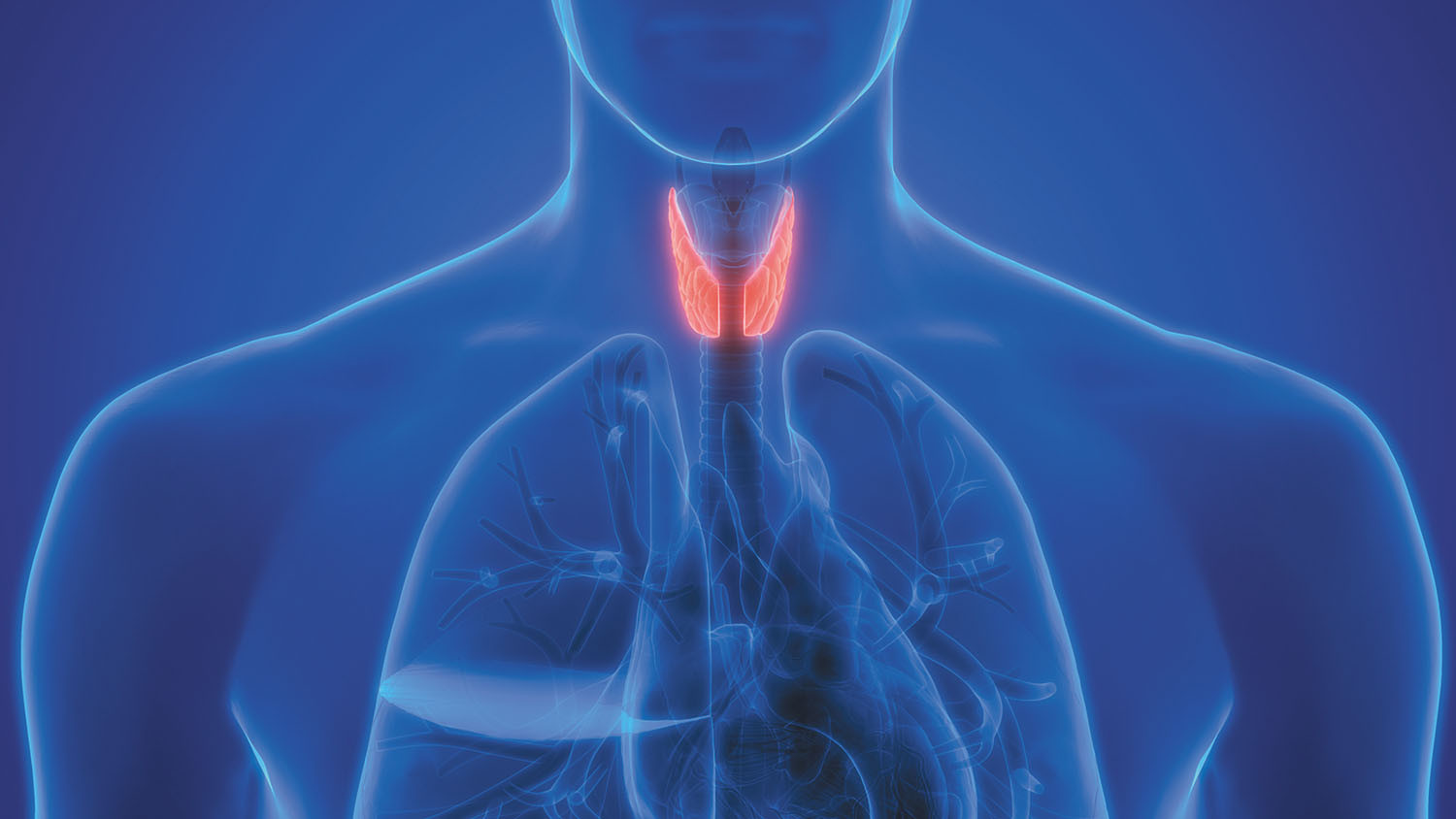
Why do I “almost” have an underactive thyroid?
Ask the doctor
Image: © magicmine/Getty Images
Q. My doctor said I "almost" have an underactive thyroid, which puzzled me. Then she said I might benefit from treatment, which puzzled me more. How can you "almost" have a disease, and how can treatment be useful if you don't have the disease?
A. I can see how that might have been confusing. In fairness, it's a confusing situation, even for doctors. Let's take this in two parts. First, what's an "underactive thyroid"? The thyroid gland in our neck makes a hormone, called thyroid hormone, that travels throughout the body and affects every cell. If it is making the right amount of the hormone — if the blood levels are normal — then there's no problem. If it's making too much (an overactive thyroid), or if it's making too little (an underactive thyroid), those are problems that require treatment.
CoQ10: Should you take this popular supplement if you're on a statin?
Oat vs. dairy milk: Nutrition, benefits, and downsides
Microplastics: A hidden health threat?
Healing after food poisoning
What is tempeh? Benefits, nutrition, and how to use it
Light exposure at night may raise risk for heart disease
Whole grains may improve several heart risk factors at once
A lumbar belt may help ease low back pain
Children of centenarians may stay healthier and live longer too, study finds
Signs of pneumonia: Sometimes vague and unexpected
Free Healthbeat Signup
Get the latest in health news delivered to your inbox!
Sign Up
