

CoQ10: Should you take this popular supplement if you're on a statin?

Oat vs. dairy milk: Nutrition, benefits, and downsides

Microplastics: A hidden health threat?

Healing after food poisoning

What is tempeh? Benefits, nutrition, and how to use it

Light exposure at night may raise risk for heart disease

Whole grains may improve several heart risk factors at once

A lumbar belt may help ease low back pain

Children of centenarians may stay healthier and live longer too, study finds

Signs of pneumonia: Sometimes vague and unexpected
Alzheimer's Disease Archive
Articles

Forgetful? When to worry about memory changes
If you are noticing problems in yourself or a loved one, here's where to turn for help and support.
Image: © simarik/Getty Images
You're talking with a friend about a movie you saw recently, but can't remember the actor's name. Last week you found yourself upstairs, but couldn't remember what you came up to look for. Your keys are always missing. You worry: are these normal memory lapses or early signs of Alzheimer's disease or another form of dementia?
"Because there has been so much attention paid lately to the aging baby boomer population, I think Alzheimer's disease is getting a lot of attention, which is leading a lot of people to believe they may have the condition," says Dr. Suzanne Salamon, associate chief of the gerontology division at Beth Israel Deaconess Medical Center and assistant professor of medicine at Harvard Medical School.
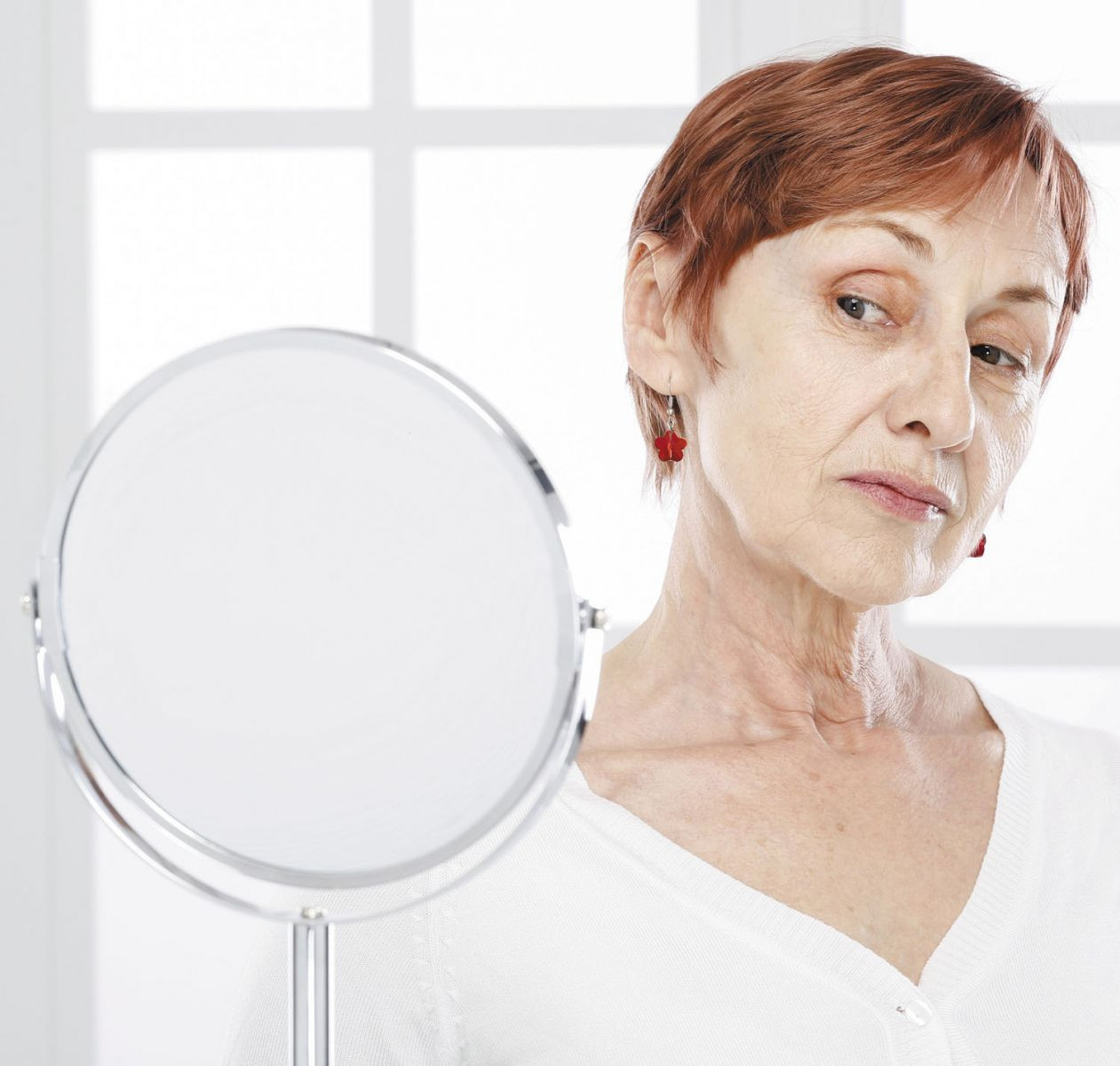
Is that dry skin really something more serious?
Symptoms of dry skin, eczema, contact dermatitis, and psoriasis can overlap.
Image: © Sasha_Suzi/Thinkstock
It's easy to overlook dry skin during the winter, when indoor heating and dry air pull moisture from the skin. But sometimes it's tough to tell if dry skin is a consequence of the season or a sign of a serious condition. "I see a fair number of people who come in with psoriasis or eczema and had just assumed it was dry skin," says Dr. Jason Frangos, a dermatologist at Harvard-affiliated Brigham and Women's Hospital.
Why does skin dry out?
It's not just winter conditions that lead to dry skin; it's also a change in our skin's top layer, or epidermis. This layer is normally thick with naturally occurring fats and oils that act as a barrier to help retain moisture and prevent irritants from entering the skin.

Sexually transmitted disease? At my age?
There's an upswing in cases of chlamydia, gonorrhea, and syphilis in the United States, and it includes older adults.
For as long as humans have engaged in sex, there have been sexually transmitted diseases (STDs). The term STD (which has replaced the older "venereal disease") generally refers to infections that can be transmitted by vaginal, anal, or oral sex. Among them are genital herpes, human papillomavirus, chlamydia, gonorrhea, syphilis, and human immunodeficiency virus (HIV). The CDC estimates there are about 20 million new STD cases every year, but only a fraction of them get reported.
STDs are on the rise in people of all ages. There were more than two million reported cases of chlamydia, gonorrhea, and syphilis in 2016. While the vast majority occurred in teenagers and young adults, there also were significant increases in cases among middle-aged and older adults (see "STDs reported among older adults").


Antidepressants not always effective in people with chronic disease
In the journals
Some antidepressants may not offer much relief for people who battle both depression and a chronic disease, according to research in the Nov. 21, 2017, Journal of the American Medical Association.
Nearly half of Americans live with a chronic condition, according to the CDC, and many also suffer from depression, including more than half of Parkinson's disease patients, 41% of cancer patients, and more than 25% of those with diabetes.
Can I avoid macular degeneration?
Ask the doctors
Q. I have a family history of macular degeneration. Is there any way I can prevent it?
A. Macular degeneration is a common eye condition that typically manifests in people over age 50. It damages the macula of the eye, which is located near the center of the retina, and can lead to vision loss. The macula is the part of the eye that helps you see objects that are right in front of you. When this area is damaged, you may see spots or your vision may get blurry or dark. These changes might make it more difficult for you to drive or perform other everyday activities.

Alcohol and age: A risky combination
Most people drink less as they grow older. However, some maintain heavy drinking patterns throughout life, and some develop problems with alcohol for the first time during their later years. The many challenges that can arise at this stage of life — reduced income, failing health, loneliness, and the loss of friends and loved ones — may cause some people to drink to escape their feelings.
Several factors combine to make drinking — even at normal levels — an increasingly risky behavior as you age. Your ability to metabolize alcohol declines. After drinking the same amount of alcohol, older people have higher blood alcohol concentrations than younger people because of such changes as a lower volume of total body water and slower rates of elimination of alcohol from the body. That means the beer or two you could drink without consequence in your 30s or 40s has more impact in your 60s or 70s.

Flaws of normal memory
Regardless of age, you're unlikely to have a flawless memory. People who can remember very long lists of numbers or recall the minutiae of their daily lives — right down to what they ate for lunch every day last year—are exceedingly rare. And frankly, such a memory can be a burden rather than a blessing. Memory, it seems, is inherently flawed—and in more ways than you might think.
Daniel Schacter, a professor of psychology at Harvard University, described the most common ways that normal memory fails us in his book The Seven Sins of Memory. Some of these memory flaws become more pronounced with age, but unless they are extreme and persistent, they are not considered indicators of Alzheimer's or other memory-impairing illnesses. They are simply the way that our brains work. The following is a brief summary of two of Schacter's seven memory "sins."

Use everyday habits to keep your memory in good shape
Your daily habits and lifestyle — what you eat and drink, whether you exercise, how stressed you are, and more — affect your mental health every bit as much as your physical health. A growing body of research indicates that regular exercise and a healthful diet can help protect your memory from aging-related decline.
Exercise
Physical fitness and mental fitness go together. People who exercise regularly tend to stay mentally sharp into their 70s, 80s, and beyond. Although the precise "dose" of exercise isn't known, research suggests that the exercise should be moderate to vigorous and regular. Examples of moderate exercise include brisk walking, stationary bicycling, water aerobics, and competitive table tennis. Vigorous activities include jogging, high-impact aerobic dancing, square dancing, and tennis.
Chronic inflammation in midlife linked to brain decline later
News briefs
You've probably heard about tests to measure chemicals in the blood that indicate chronic inflammation in the body. They are sometimes used to estimate risk for heart disease. But what about using these kinds of biomarkers to gauge your risk for declining brain health? A study published Nov. 1, 2017, in Neurology found that having certain inflammatory markers in midlife was associated with brain shrinkage and poor memory in older age.
Researchers measured five inflammation biomarkers in about 1,600 middle-aged people and gave them brain scans and a memory test about 25 years later. Compared with people with no elevated inflammation markers, people with high levels of three or more biomarkers scored lower on the memory test and had about 5% shrinkage in the hippocampus and other parts of the brain associated with Alzheimer's disease.
CoQ10: Should you take this popular supplement if you're on a statin?
Oat vs. dairy milk: Nutrition, benefits, and downsides
Microplastics: A hidden health threat?
Healing after food poisoning
What is tempeh? Benefits, nutrition, and how to use it
Light exposure at night may raise risk for heart disease
Whole grains may improve several heart risk factors at once
A lumbar belt may help ease low back pain
Children of centenarians may stay healthier and live longer too, study finds
Signs of pneumonia: Sometimes vague and unexpected
Free Healthbeat Signup
Get the latest in health news delivered to your inbox!
Sign Up
