

CoQ10: Should you take this popular supplement if you're on a statin?

Oat vs. dairy milk: Nutrition, benefits, and downsides

Microplastics: A hidden health threat?

Healing after food poisoning

What is tempeh? Benefits, nutrition, and how to use it

Light exposure at night may raise risk for heart disease

Whole grains may improve several heart risk factors at once

A lumbar belt may help ease low back pain

Children of centenarians may stay healthier and live longer too, study finds

Signs of pneumonia: Sometimes vague and unexpected
Alzheimer's Disease Archive
Articles


When worry becomes a problem
Feeling afraid about life issues is common as you age, but if it takes over your life, you may have generalized anxiety disorder (GAD).
Image: © pixelheadphoto/Thinkstock
Everyone feels afraid or worried at times, but if these feelings begin to take over your life, then you may have crossed over into generalized anxiety disorder (GAD), which is the most common anxiety disorder among older adults, according to the Anxiety and Depression Association of America (ADAA).
"The issue with many older men is they often just endure the discomfort of GAD, or think it's normal, and do not talk about the problem," says Dr. David Mischoulon, director of the Depression Clinical and Research Program at -Harvard-affiliated Massachusetts General Hospital. "However, left alone to manifest, GAD may lead to serious health problems, such as high blood pressure, depression, and addictive behavior like excessive drinking."

Trouble identifying odors may be an early sign of dementia
In the journals
Image: © Purestock/Thinkstock
If you have persistent trouble detecting or identifying odors, that may be an early sign of dementia, according to a study in the Sept. 25, 2017, Journal of the American Geriatrics Society. Almost 3,000 older adults, ages 57 to 85, who did not have dementia were asked to detect and identify five common odors like peppermint, fish, orange, rose, and leather. Five years later, the researchers found that almost half of those who performed poorly on the smell test (were either unable to detect the odors or unable to identify what the smells were) had been diagnosed with dementia. In comparison, 79% of those who scored high on the smell test did not have dementia.
The results only show an association between poor sense of smell and dementia, but the researchers noted that a smell test could be a simple way to identify high-risk people. It isn't clear how sense of smell and dementia may be linked, but the researchers speculated that underlying causes of dementia, like amyloid plaque buildup and tau tangles in the brain, also may affect the olfactory (sense of smell) system.
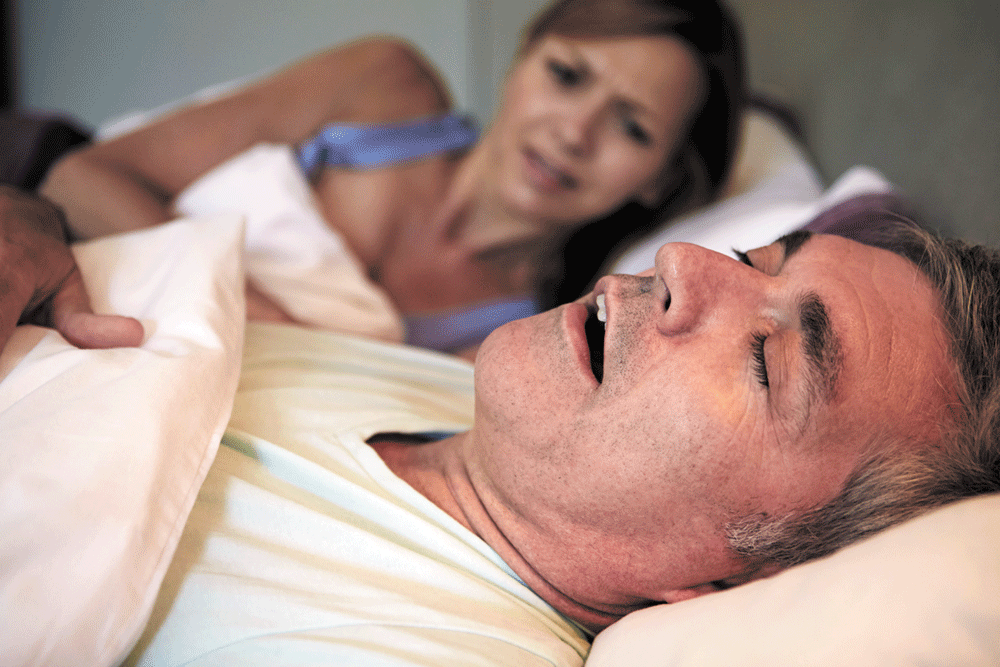
Is snoring always a sign of sleep apnea?
Ask the doctors
Q. My partner says I snore at night. Does this mean I have sleep apnea?
A. If you snore at night, you're in good company. Some 90 million Americans have the same problem, according to the American Sleep Apnea Association. And luckily, not all of them have sleep apnea. Snoring is typically caused by a narrowing of your upper airway. Tissues in the back of your throat sometimes relax in your sleep and drop down, partially blocking the passageway. Air from your breathing rattles the tissue, creating that distinctive noise as it flows past.


Headache basics
Despite the fact that headaches are extremely common, doctors don't fully understand exactly why or even how they occur. Neither the skull nor the brain is sensitive to pain, but both are surrounded by pain-sensitive membranes. Most headache pain stems from abnormalities in these membranes or nearby muscles, blood vessels, or nerves—either alone or in combination.
Women are twice as likely as men to experience moderate and severe headaches and more likely to experience certain types of headaches, such as migraine. A major reason is fluctuating hormone levels that are part of the monthly menstrual cycle.

Exercise is an effective stress-buster
If exercise were available as a pill, experts say, everyone would be taking it. One reason is that exercise is very good at defusing stress. If you exercise — especially right when the stress response is triggered — you burn off stress hormones just as nature intended, instead of letting them pile up.
What's more, just about any form of motion on a regular basis helps relieve pent-up tension. Rhythmic, repetitive movements, such as walking, running, swimming, bicycling, and rowing — and specific types of exercise such as yoga, tai chi, and qigong — actually elicit the relaxation response, too. Regularly engaging in these kinds of activities can help you ward off everyday stress.

Holiday for one?
Get through the season on your own by changing your perspective, creating new traditions, and reaching out to others.
Image: © verbaska_studio/Thinkstock
The holidays are traditionally a time for family and friends. But plenty of people find themselves alone at this time of the year, especially older adults who live by themselves, are unable to drive, or live far from grown children. "I think it's probably hardest for people who have recently lost a loved one," says Dr. Suzanne Salamon, associate chief of gerontology at Harvard-affiliated Beth Israel Deaconess Medical Center.
Emotional impact
A number of emotions may creep in when you face holidays alone. One is pressure to make the holiday an event. "There's a feeling that it's supposed to be a celebration. That may be stressful if you have no one to celebrate with," says Dr. Elyse Park, director of behavioral health research at the Harvard-affiliated Benson-Henry Institute for Mind Body Medicine.
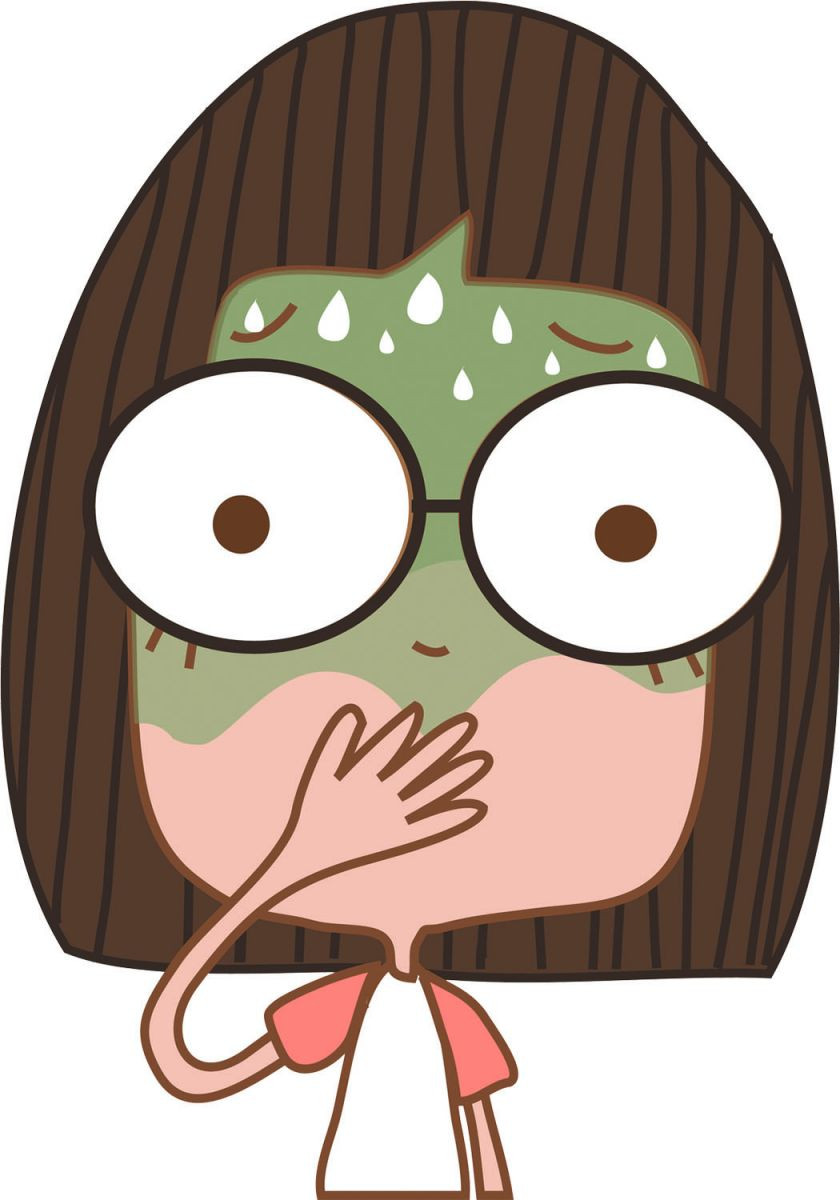
Coping with motion sickness
Change the circumstances that can lead to conflict between your senses and make you sick.
Some people dread riding on a plane, train, bus, or boat, or even sitting in the back of a car. The motion makes them feel nauseated or dizzy, and it may bring on headaches, vomiting, or cold sweats.
"We're wired differently for processing motion and movement. Some people are less tolerant of motion than others. It's very common," says Dr. Steven Rauch, an ear specialist and chief of the vestibular (balance) division of Harvard-affiliated Massachusetts Eye and Ear Infirmary.

What to do about mild cognitive impairment
MCI can be tough to identify, but there may be ways to postpone, and possibly prevent, its impact on memory and thinking.
Everyone has the occasional bout of forgetfulness, whether it's misplacing your keys or blanking out on a name. But if these episodes become frequent or interfere with daily life, you may have mild cognitive impairment, or MCI.
MCI falls somewhere between the usual cognitive decline of normal aging and the more serious signs of dementia and Alzheimer's disease. An estimated 10% to 20% of adults older than 65 have MCI, according to the Alzheimer's Association. But this gray area of brain health is often difficult to detect.
CoQ10: Should you take this popular supplement if you're on a statin?
Oat vs. dairy milk: Nutrition, benefits, and downsides
Microplastics: A hidden health threat?
Healing after food poisoning
What is tempeh? Benefits, nutrition, and how to use it
Light exposure at night may raise risk for heart disease
Whole grains may improve several heart risk factors at once
A lumbar belt may help ease low back pain
Children of centenarians may stay healthier and live longer too, study finds
Signs of pneumonia: Sometimes vague and unexpected
Free Healthbeat Signup
Get the latest in health news delivered to your inbox!
Sign Up
