

CoQ10: Should you take this popular supplement if you're on a statin?

Oat vs. dairy milk: Nutrition, benefits, and downsides

Microplastics: A hidden health threat?

Healing after food poisoning

What is tempeh? Benefits, nutrition, and how to use it

Light exposure at night may raise risk for heart disease

Whole grains may improve several heart risk factors at once

A lumbar belt may help ease low back pain

Children of centenarians may stay healthier and live longer too, study finds

Signs of pneumonia: Sometimes vague and unexpected
Alzheimer's Disease Archive
Articles

Eczema may signal higher risk of cardiovascular problems
Research we're watching
Image: © Tharakorn/Getty Images
About one in 10 people has eczema, a chronic inflammatory condition that leaves skin dry and itchy. People with more severe forms may experience a scaly rash or skin that cracks and oozes. These people may also be at greater risk for heart attack and stroke, according to a study in the May 23 issue of The BMJ.
For the study, researchers analyzed data from more than 385,000 adults with eczema, which was classified as mild, moderate, or severe. Each was matched with up to five people of similar age and sex who didn't have eczema.

Red meat allergy spread by ticks: A link to heart disease?
Research we're watching
A bite from a lone star tick can trigger an unusual allergy that causes hives, swelling of the throat and lips, or an upset stomach when you eat red meat. But that's not all: people with this rare red meat allergy may be particularly prone to narrowed, stiff arteries in the heart, a new study finds.
Researchers analyzed blood samples from 118 adults living in Virginia and found that 26% had evidence of a red meat allergy (that is, they had antibodies to a molecule called alpha-gal, the main allergen in red meat). Lone star tick saliva may contain alpha-gal, so when a tick bites a person, it may trigger an immune response by the body, which then recurs when the body encounters alpha-gal in red meat. Lone star ticks are found throughout the southeastern and eastern United States.

Looking for an earlier sign of Alzheimer’s disease
Subjective cognitive decline often appears before memory loss and other symptoms.
Recent research suggests that the brain changes leading to Alzheimer's disease begin many years before the onset of symptoms.
Most often the disease is not diagnosed until it exists in full force, so finding earlier changes in thinking or behavior may help scientists better understand this process.

Arthritis drugs do little for sufferers’ mental health
In the journals
Many people with rheumatoid arthritis (RA) also deal with ongoing depression and anxiety related to their pain and disability. While drugs used to treat the disease help alleviate the joint pain and stiffness, a recent study suggests they may not extend to improving patients' mental health.
The findings, published online June 6, 2018, by Arthritis & Rheumatology, reviewed more than 70 clinical trials and found only a small association between various drugs used for RA, such as adalimumab (Humira), rituximab (Rituxan), abatacept (Orencia), and tocilizumab (Actemra), and mental health outcomes in patients.

Tips to cope when it’s time to downsize
Asking for help from friends and family and then engaging with your new community will get you through the transition.
Image: © IPGGutenbergUKLtd/Getty Images
Downsizing from a large home to a smaller one is a fact of life for many older adults. The reason may be finances, health issues, or a desire to simplify your lifestyle. But making the transition can bring a host of emotions: sadness, grief, stress, or anxiety.
Understanding the triggers for these feelings and using strategies to navigate them may not change how you feel, but it may help the downsizing process go more smoothly so you can focus on your next chapter.
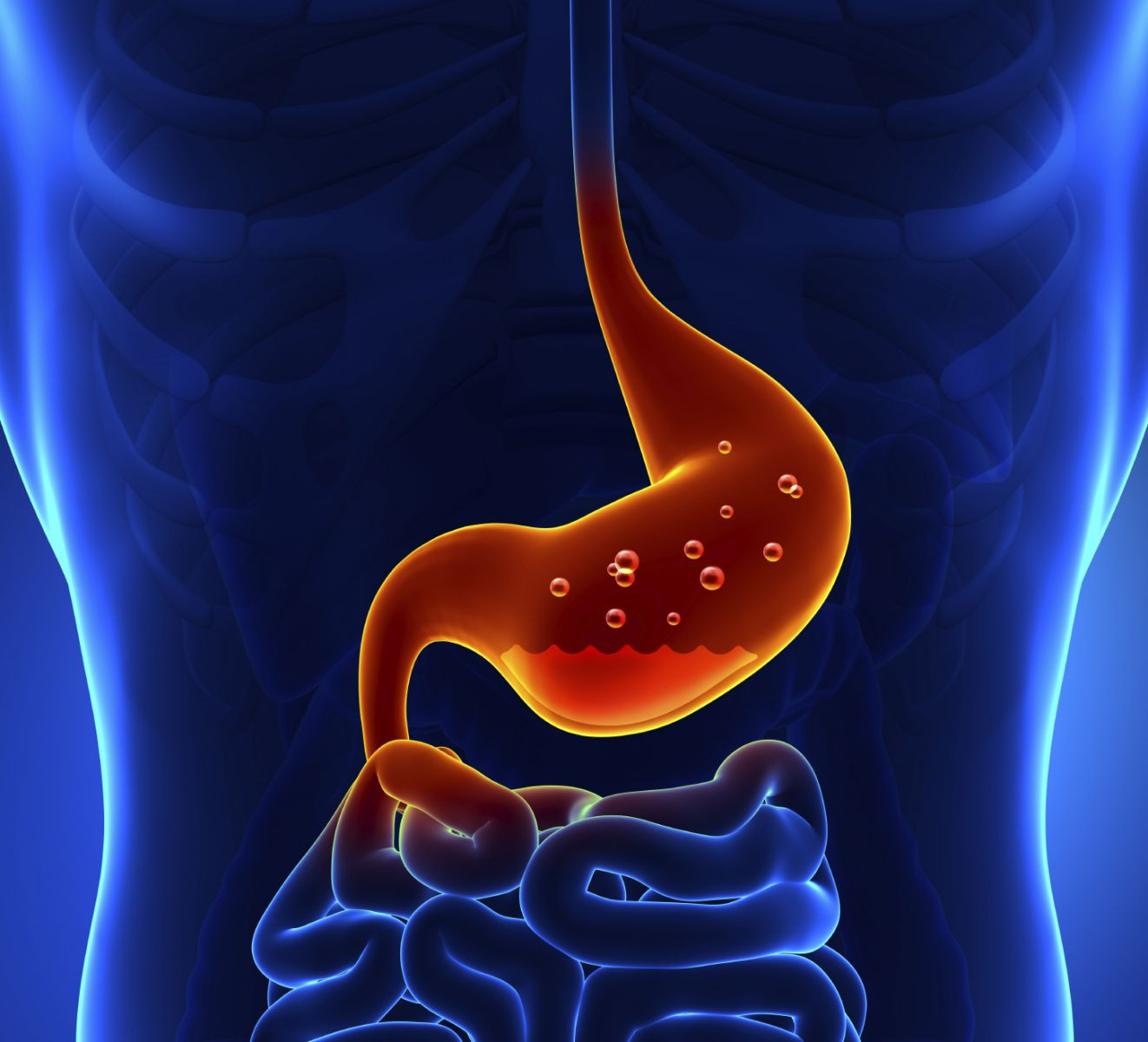
7 ways to get heartburn relief
Functional dyspepsia is no fun. Maybe you've just eaten or finished a meal an hour or so ago — and now your stomach just doesn't "feel right." You feel bloated and uncomfortable. Or maybe it's more of a burning sensation. Maybe you feel queasy, or even throw up. You might say you have an "upset stomach" or indigestion. If there is no known medical cause for your symptoms, your doctor would call it "dyspepsia" or "bad digestion."
Functional dyspepsia
Indigestion is real. The medical term for persistent upper abdominal pain or discomfort without an identifiable medical cause is functional dyspepsia. The symptoms can come and go at any time, but often eating is the trigger. Sometimes the discomfort begins during the meal; other times, about half an hour later.
If you suffer from functional dyspepsia, you're not alone. Roughly 25% of the population is affected, and it hits men and women equally. It's responsible for a significant percentage of visits to primary care doctors, in part because many people worry they might have an ulcer. While it's frustrating that the cause of functional dyspepsia is unknown, it's even more frustrating that there is no surefire cure.
Heartburn and indigestion relief
The good news is that there are simple things you can try to help relieve your functional dyspepsia symptoms:
- Avoid foods that trigger your symptoms.
- Eat small portions and don't overeat; try eating smaller, more frequent meals throughout the day, and be sure to chew food slowly and completely.
- Avoid activities that result in swallowing excess air, such as smoking, eating quickly, chewing gum, and drinking carbonated beverages.
- Reduce your stress. Try relaxation therapies, cognitive behavioral therapy, or exercise. An aerobic workout 3-5 times per week can help, but don't exercise right after eating.
- Get enough rest.
- Don't lie down within two hours of eating.
- Keep your weight under control.
For more on diagnosing and treating indigestion, read The Sensitive Gut, a Special Health Report from Harvard Medical School.

6 keys to finding a high-quality addiction treatment center

FDA approves first migraine prevention drug
News briefs
Encouraging news for people who suffer with migraines: in May, the FDA approved erenumab (Aimovig), the first medication aimed at preventing these debilitating headaches. Current medications to treat migraines were actually designed to control other conditions, such as seizures or an irregular heartbeat; their side effects (like sexual dysfunction and fuzzy thinking) often cause people to skip treatment. Erenumab offers a new approach. Injected once a month, it works by blocking a molecule (calcitonin gene-related peptide) involved in migraine attacks, and compared with other drugs, it appears to have fewer side effects (primarily constipation and injection site reactions). "This drug is for people who have more than four migraines per month, but it won't take migraines away entirely," says Dr. Gad Marshall, a neurologist at Harvard-affiliated Brigham and Women's Hospital. Clinical trials suggest it can reduce frequency by one or two migraines per month, or even more in some people. "For people with frequent debilitating migraines it could be a game changer," says Dr. Lee Schwamm, a neurologist at Harvard-affiliated Massachusetts General Hospital. "But erenumab is expensive, and it will take time to find out if it's effective and safe over the long term."

Challenge your mind, no matter what your age
News briefs
Image: © Stockbyte/Getty Images
An observational study published online May 30, 2018, by JAMA Psychiatry found that engaging in intellectually stimulating activities, even later in life, may lower the odds of dementia. Researchers followed over 15,000 Chinese men and women in their 70s for seven years with annual assessments of health and lifestyle habits, including a variety of leisure activities. The odds of being diagnosed with dementia during the study period were 29% lower in people who challenged their brains daily with such activities as playing board games, reading, and even betting on horse racing. In contrast, less mentally demanding recreational activities (like watching TV or shopping) or social activities (like going to tea with friends) did not appear to be associated with a lower risk of dementia. Other studies have found similar evidence, but this one made a special effort to adjust for factors like better overall health that might otherwise account for the association between brain exercise and dementia.

An eye on glaucoma drugs
Two recent drugs have opened new treatment opportunities for this common eye disease.
Glaucoma is a leading cause of blindness in people over age 60, and it's estimated that the number of new cases will more than double over the next few decades. "There is no cure for glaucoma once it appears, so treating it at its earliest stages can help save your vision," says Dr. David Solá-Del Valle, an ophthalmologist with Harvard-affiliated Massachusetts Eye and Ear.
Once diagnosed, glaucoma is treated with eye drops to reduce pressure inside the eye by lowering the amount of fluid or improving fluid drainage. They can keep glaucoma from getting worse and hopefully avoid the need for surgery to correct this drainage problem.
CoQ10: Should you take this popular supplement if you're on a statin?
Oat vs. dairy milk: Nutrition, benefits, and downsides
Microplastics: A hidden health threat?
Healing after food poisoning
What is tempeh? Benefits, nutrition, and how to use it
Light exposure at night may raise risk for heart disease
Whole grains may improve several heart risk factors at once
A lumbar belt may help ease low back pain
Children of centenarians may stay healthier and live longer too, study finds
Signs of pneumonia: Sometimes vague and unexpected
Free Healthbeat Signup
Get the latest in health news delivered to your inbox!
Sign Up
