

CoQ10: Should you take this popular supplement if you're on a statin?

Oat vs. dairy milk: Nutrition, benefits, and downsides

Microplastics: A hidden health threat?

Healing after food poisoning

What is tempeh? Benefits, nutrition, and how to use it

Light exposure at night may raise risk for heart disease

Whole grains may improve several heart risk factors at once

A lumbar belt may help ease low back pain

Children of centenarians may stay healthier and live longer too, study finds

Signs of pneumonia: Sometimes vague and unexpected
Alzheimer's Disease Archive
Articles
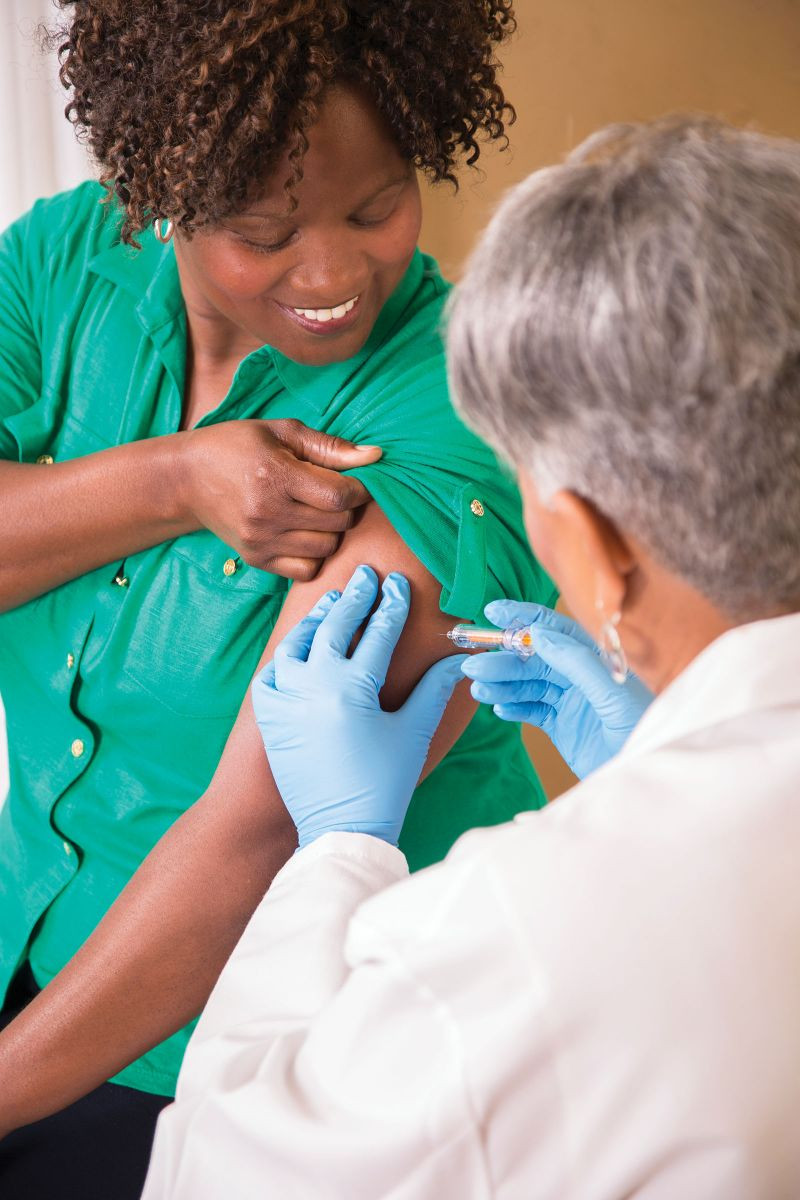
Tuberculosis vaccine shows promise in controlling blood sugar
Research we're watching
A long-used vaccine is showing promise in helping to restore near-normal blood sugar levels in people with advanced type 1 diabetes. Researchers from Harvard Medical School injected adults who had type 1 diabetes with two doses of the bacillus Calmette-Guérin (BCG) vaccine, which is traditionally used to prevent tuberculosis.
Participants in the study, all of whom had type 1 diabetes for many years, all showed significant improvements in their average blood sugar levels after the vaccination. The improvements lasted for the next five years. Researchers said that it appears the vaccine affected a metabolic mechanism that increases consumption of glucose by cells.

Alzheimer's in the family
Dementia affects the person diagnosed but also raises fears for siblings and children. Here are the facts.
After a diagnosis of Alzheimer's disease, families face fears and difficult medical decisions.
Alzheimer's disease represents a personal health crisis, but it's also a family concern. What does it mean for your children or siblings if you are diagnosed with Alzheimer's? What does it mean for you if a close relative develops the condition?

Omega-3s for anxiety?
News briefs
Image: © emiliozv/Getty Images
Omega-3 fatty acid supplements may help ease anxiety symptoms in people diagnosed with a range of physical and mental health problems, according to a review published in the Sept. 14, 2018, JAMA Network Open. The report pooled findings from 19 different studies and included 1,200 people. Most of the studies compared omega-3 supplements to a placebo. Taken together, the studies included people with a range of health problems, including heart attacks, attention deficit disorder, substance abuse, depression, and Parkinson's disease, as well as some groups without any specific clinical diagnosis. Researchers found that people who took high doses of omega-3s (up to 2,000 mg a day) seemed to have the most reduction in anxiety symptoms. Omega-3 fatty acids, which are usually derived from fish oil, have a number of biological effects in the body. Brain membranes contain a high proportion of these fats, and human studies suggest that a lack of omega-3s in the brain may induce various behavioral and psychiatric disorders. For now, it's too soon to recommend high-dose omega-3 supplements for treating anxiety. Larger trials testing the supplements (both alone and combined with standard treatments) are needed, the study authors say.

Nitrates from vegetables may lower age-related macular degeneration risk
In the journals
Image: © Edalin/Getty Images
An observational study has shown an association between eating vegetable nitrates, found in green leafy vegetables and beets, and a lower risk of developing an early stage of age-related macular degeneration (AMD), the leading cause of permanent vision loss among Americans ages 60 and older. The results were published online Oct. 17, 2018, by the Journal of the Academy of Nutrition and Dietetics.
Researchers studied the eating habits of more than 2,000 adults ages 49 and older over a 15-year period and compared them with diagnoses of AMD among the group. They found that people who ate 100 to 142 milligrams (mg) of vegetable nitrates each day had a 35% lower risk of developing early AMD than people who ate less than 69 mg of vegetable nitrates daily.
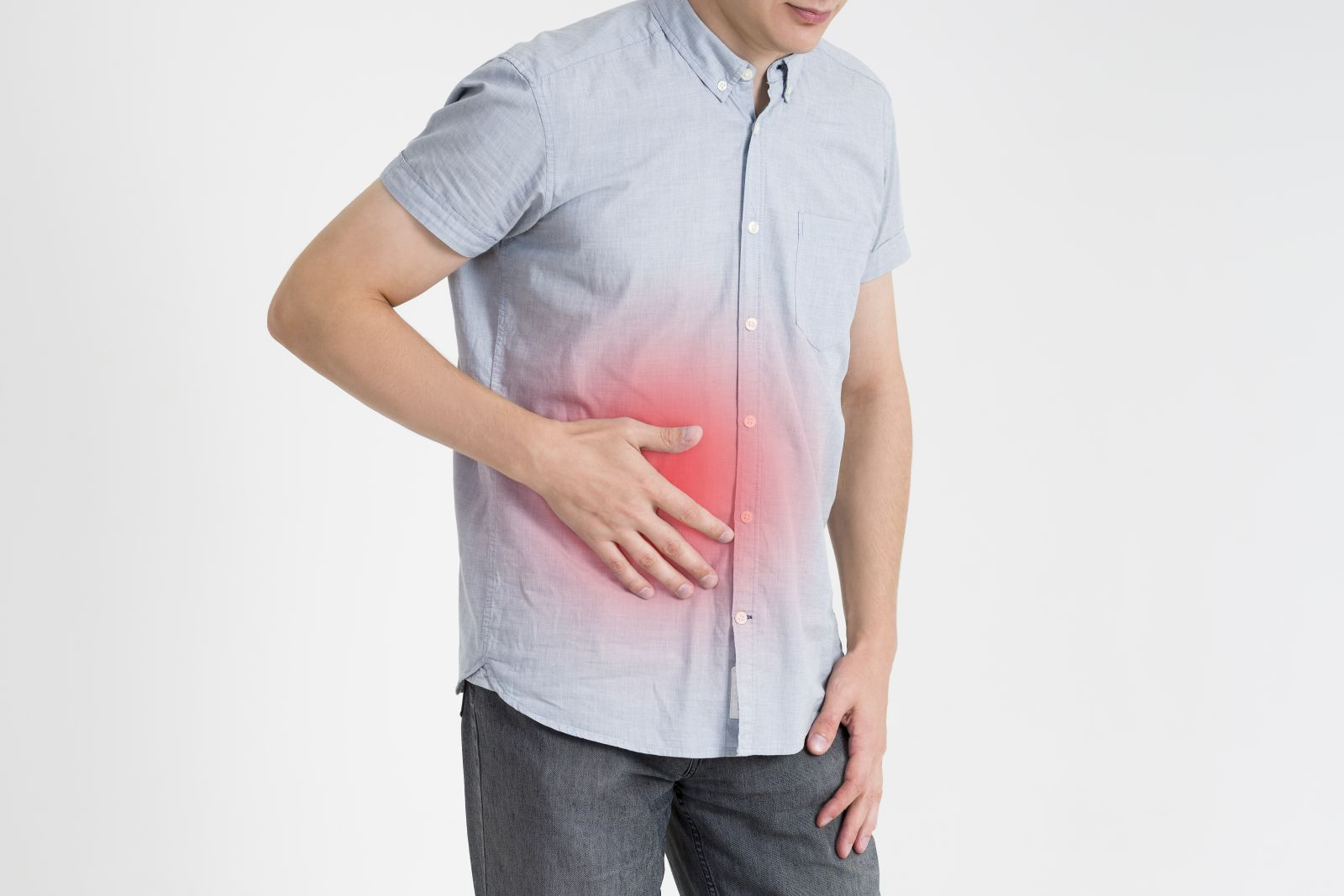
Antibiotics help some people avoid surgery for appendicitis
Image: © Azure-Dragon/Getty Images
In the journals
It is often assumed that appendicitis means automatic surgery to relieve the pain and avoid complications. Yet, a study published online Sept. 25, 2018, by JAMA found that many people with uncomplicated acute appendicitis may be safely treated with antibiotics and avoid an appendectomy.
About 70% to 80% of acute appendicitis cases are uncomplicated, which means the appendix hasn't ruptured or formed an abscess. In the study, researchers had 530 people with uncomplicated acute appendicitis either undergo an appendectomy or receive 10 days of antibiotic therapy. After five years, 61% of the antibiotic group had no recurrences of appendicitis and no appendectomies.
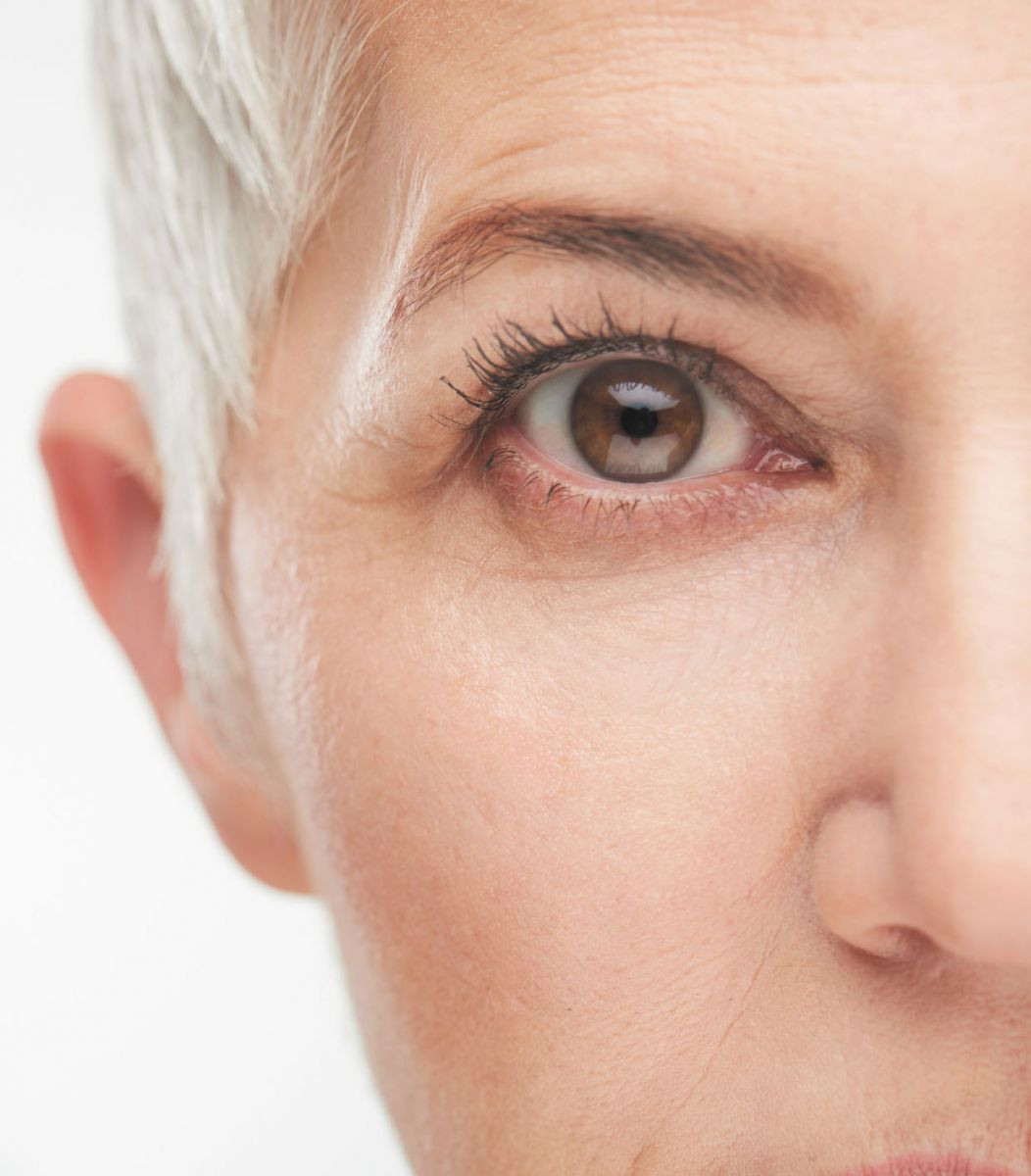
Can your eyes see Alzheimer’s disease in your future?
Certain eye conditions offer clues to your chances of developing dementia.
It's long been said that the eyes are the windows to the soul, but can they also provide a view of your brain's future? Researchers increasingly say yes. Studies have identified links between common eye conditions and Alzheimer's disease and other forms of dementia.
One study, published in the July 2018 issue of Alzheimer's & Dementia, appeared to validate past findings that linked three eye diseases — glaucoma, age-related macular degeneration, and diabetic retinopathy — to an increased risk of Alzheimer's disease.

Is my nosebleed the result of winter air?
Ask the doctors
Q. I had a nosebleed the other night. I've heard that this can be more common in the winter. Is this true?
A. Yes, you could be more likely to get a nosebleed in the winter because the heated indoor air may dry out your nasal passages and make the tiny blood vessels inside them more fragile. Nosebleeds occur when these tiny vessels rupture. Sometimes the bleeding happens at the back of the nose, called a posterior bleed. Or it may develop at the front of the nose — an anterior bleed.

Trying to be perfect can cause anxiety
No one is "perfect." Yet many people struggle to be a perfectionist , which can trigger a cascade of anxieties. Striving to be a perfectionist may be a strong suit or a stumbling block, depending on how it's channeled, as clinical psychologist Jeff Szymanski explains. Dr. Szymanski is an associate instructor of psychology at Harvard Medical School and executive director of the International OCD Foundation.
"The core of all perfectionism is the intention to do something well," says Dr. Szymanski. "If you can keep your eye on intention and desired outcome, adjusting your strategy when needed, you're fine.... But when you can't tolerate making a mistake, when your strategy is to make no mistakes, that's when perfectionism starts veering off in the wrong direction." In its most severe form, perfectionism can leave you unable to complete any task for fear of making a mistake.
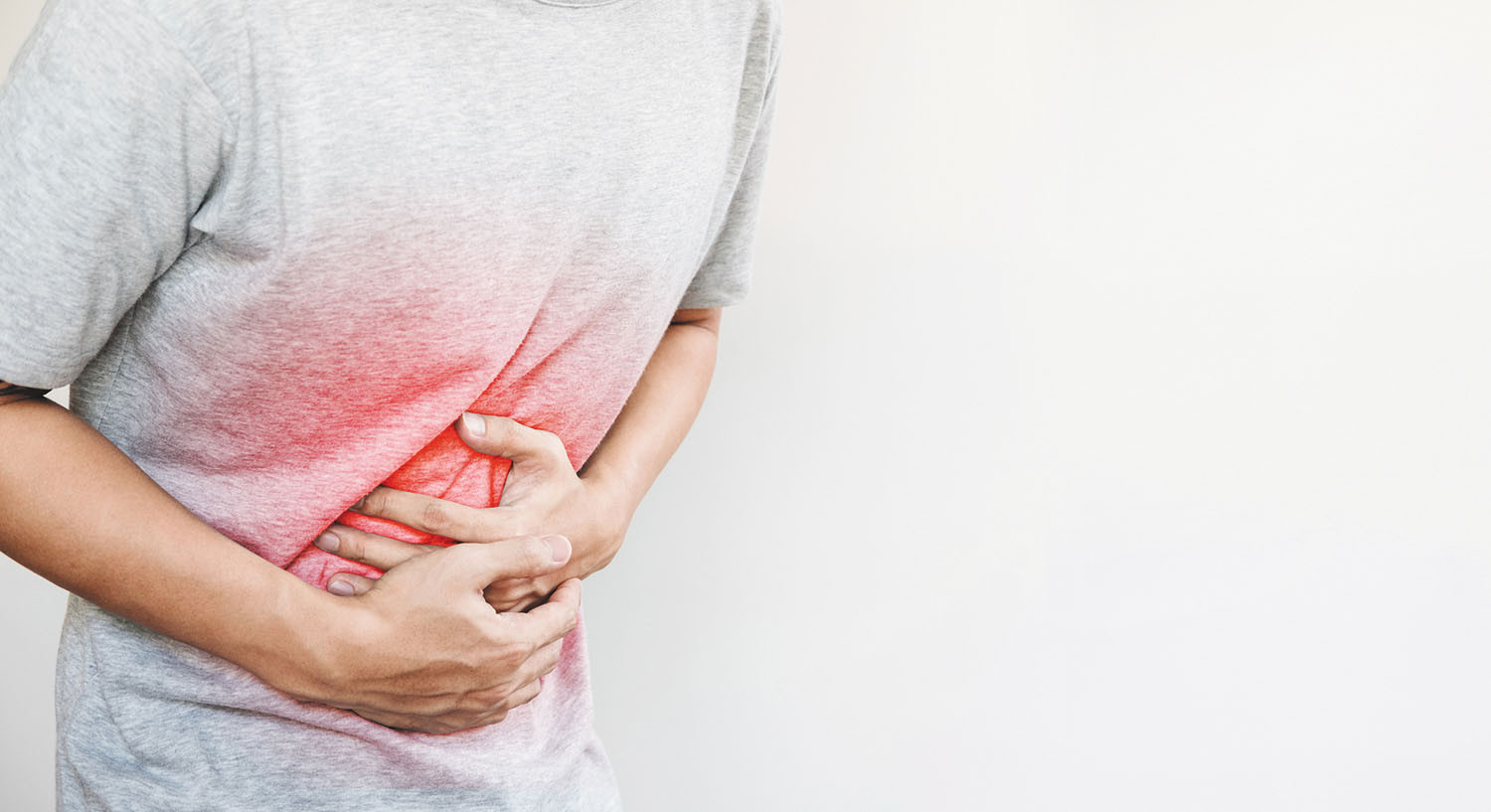
Putting a stop to leaky gut
What can you do about this mysterious ailment?
Image: © SasinParaksa/Getty Images
Leaky gut has not received the attention it deserves, in large part because it remains a medical mystery.
"Part of the reason is that the gut is such a complex system, and science continues to find new ways that the gut can influence everything from heart health to keeping our brains young," says Dr. Alessio Fasano, director of the Center for Celiac Research and Treatment with Harvard-affiliated Massachusetts General Hospital. "There is much we know about leaky gut in terms of how it affects people's health, but there is still so much that is unknown."

Tips to remember
Memory lapses are common as you age, but there are ways to help your brain store new information and recall it later.
Image: © fotosipsak/Getty Images
Does this sound familiar? You go into the kitchen, but can't remember why. Or you can't recall a name you just heard during a conversation, or miss a routine appointment because it slipped your mind.
"Everyday memory lapses like this can be upsetting, but they are more common than we often assume," says Dr. Joel Salinas, a neurologist specializing in behavioral neurology and neuropsychiatry at Harvard-affiliated Massachusetts General Hospital.
CoQ10: Should you take this popular supplement if you're on a statin?
Oat vs. dairy milk: Nutrition, benefits, and downsides
Microplastics: A hidden health threat?
Healing after food poisoning
What is tempeh? Benefits, nutrition, and how to use it
Light exposure at night may raise risk for heart disease
Whole grains may improve several heart risk factors at once
A lumbar belt may help ease low back pain
Children of centenarians may stay healthier and live longer too, study finds
Signs of pneumonia: Sometimes vague and unexpected
Free Healthbeat Signup
Get the latest in health news delivered to your inbox!
Sign Up
