

CoQ10: Should you take this popular supplement if you're on a statin?

Oat vs. dairy milk: Nutrition, benefits, and downsides

Microplastics: A hidden health threat?

Healing after food poisoning

What is tempeh? Benefits, nutrition, and how to use it

Light exposure at night may raise risk for heart disease

Whole grains may improve several heart risk factors at once

A lumbar belt may help ease low back pain

Children of centenarians may stay healthier and live longer too, study finds

Signs of pneumonia: Sometimes vague and unexpected
Alzheimer's Disease Archive
Articles

Are eating disorders just a teen problem?
Ask the doctors
Q. My sister, who is in her 50s, has always been very weight-conscious, but she recently went through a divorce and now seems unnaturally fixated on her weight and dieting. She's lost a substantial amount of weight. I've always thought of eating disorders as something that affects teenagers, but is it possible that she has one?
A. It is possible that your sister is suffering from an eating disorder, because they can affect people of any age, including older women, according to the American Psychiatric Association. They may be prompted by stress or a life change, such as a divorce. Signs that may indicate that a person has an eating disorder are
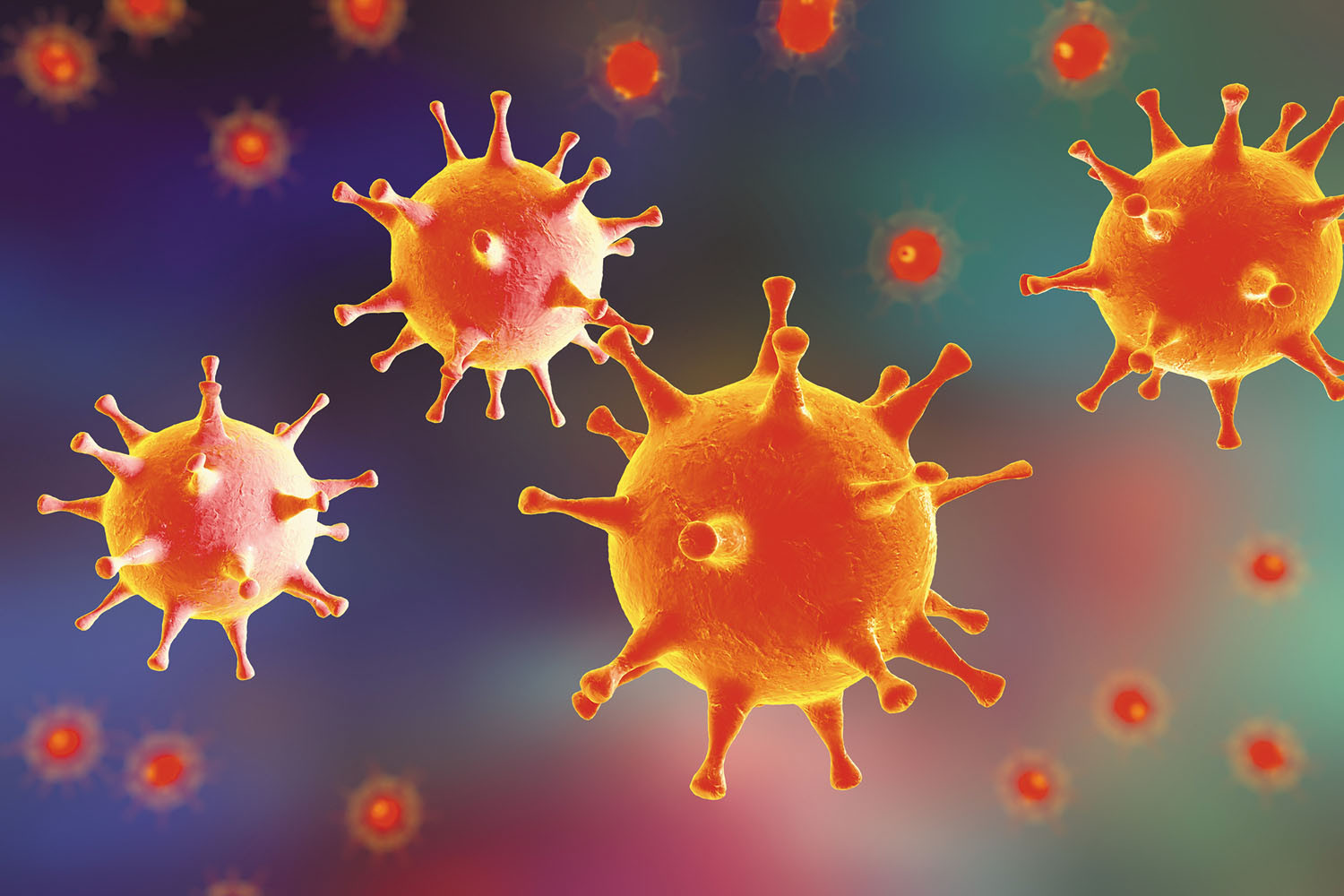
Does a virus cause Alzheimer’s?
Ask the doctor
Image: © Dr_Microbe/Getty Images
Q. I know that some viruses live permanently inside us, but only make trouble now and then. I even heard recently that they might be a cause of Alzheimer's disease. Why do they sometimes cause disease, and can we keep that from happening?
A. We live all of our lives with various microorganisms on us and inside us. One example is the herpes family of viruses. Out of more than a hundred herpesviruses, there are nine that infect humans. Once we get infected with these viruses — usually early in life — they remain with us, "asleep" inside some of our cells. But periodically, they "wake up" (reactivate), start producing multiple copies of themselves, and infect other cells. That's what's happening when a cold sore suddenly forms on your lip.

Antidepressants tied to weight gain
News briefs
Image: © adamkaz/Getty Images
We're learning more about the link between weight gain and several major classes of antidepressants, such as selective serotonin reuptake inhibitors (SSRIs), like sertraline (Zoloft), and tricyclic antidepressants, such as amitriptyline (Elavil). Research has shown that putting on pounds is a possible short-term side effect of the medications. But a study published May 23, 2018, in The BMJ suggests that antidepressants are also associated with sustained weight gain. Researchers analyzed the health information of more than 300,000 people in the United Kingdom (average age 51) who'd had their weight and body mass index measured at doctor appointments between 2004 and 2014. About 18% had been prescribed antidepressants. During the study period, people who took antidepressants had a 21% higher risk for a 5% or greater weight gain, compared with people who didn't take antidepressants. The risk peaked in the second and third years. There was no evidence of weight gain after seven years. The study was observational and didn't prove that antidepressants cause weight gain. But researchers hope the findings will encourage people to talk to their doctors about weight gain as a possible side effect of antidepressants, and plan for potential and even delayed weight gain if they're using the medications.

Strengthen your mood with weight training
Performing resistance exercises could help ease symptoms of depression.
Pumping iron might inflate not only your muscles, but also your mood, says a study in published in the June issue of JAMA Psychiatry.
The study's authors came to this conclusion after examining the results of 33 randomized clinical trials involving more than 1,800 people. They found that people with mild to moderate depression who performed resistance training two or more days a week saw "significant" reductions in their symptoms, compared with people who did not. The findings also suggested that resistance exercises may be even more beneficial for those with more severe depressive symptoms.
Can’t sleep? You may be at risk for atrial fibrillation
In the journals
If you have problems sleeping through the night, you may be at risk for atrial fibrillation (afib), an irregular heart rate that may cause heart palpitations and is a leading cause of stroke.
A study published online June 25, 2018, by HeartRhythm reviewed four studies and found a link between afib and poor sleep. In one study, people with afib had more frequent nighttime awakenings compared with those who did not have the condition. In the other studies, poor sleep quality, including frequent nighttime awakenings and less REM (rapid eye movement) sleep, predicted which individuals would develop afib.

Depression and illness: Chicken or egg?
| Image: iStock |
When depression strikes, doctors usually probe what's going on in the mind and brain first. But it's also important to check what's going on in the body, since certain medical problems are linked to mood disturbances. In fact, medical illnesses — and medication side effects — may be behind nearly 10% to 15% of all cases of depression.
It's not uncommon for a physical illness to trigger depression. Up to half of heart attack survivors and those with cancer report feeling blue, and many are diagnosed with depression. Many people who have diabetes, Parkinson's, or other chronic conditions become depressed.
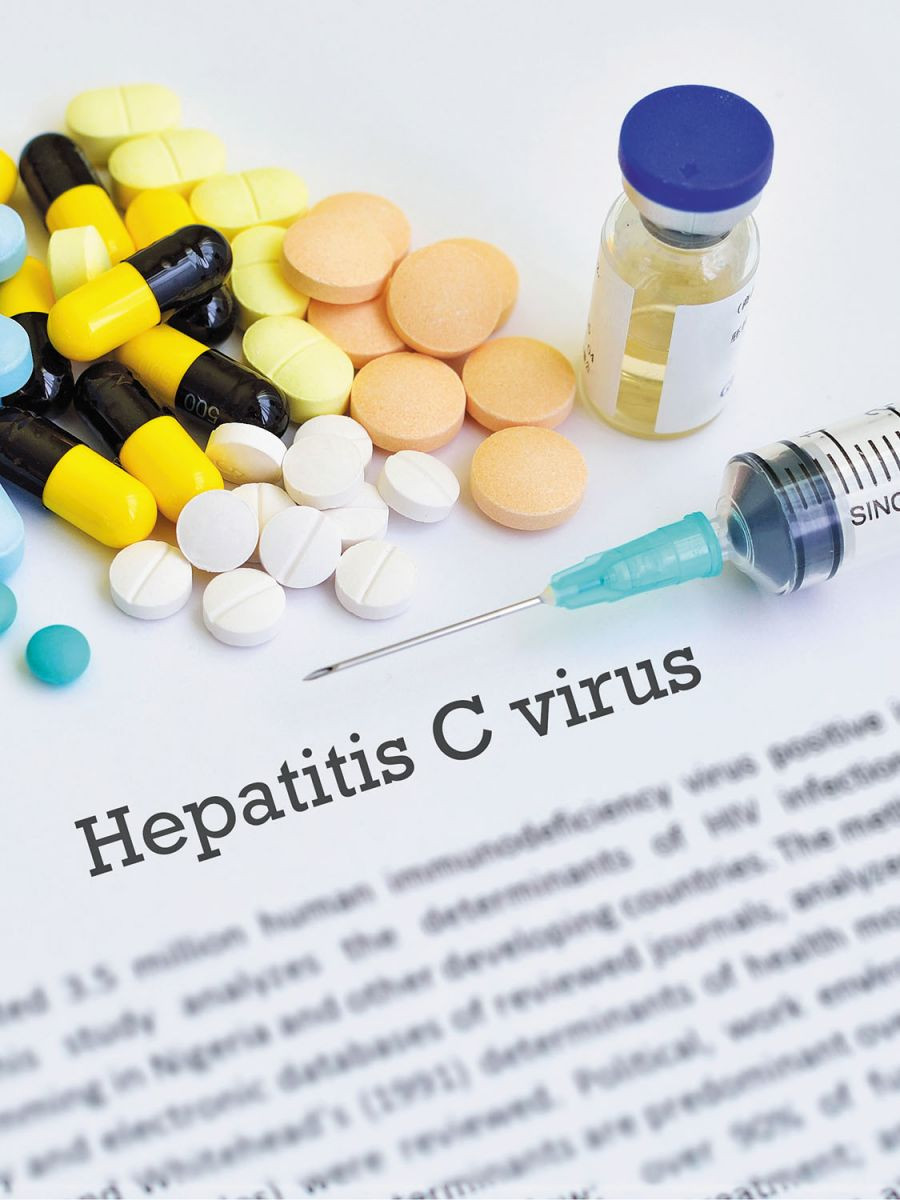
Do I need to be screened for hepatitis C?
Ask the doctors
Q. I recently saw something recommending that older Americans get screened for hepatitis C. I'm 68 years old. Should I be screened?
A. Yes. Since 2012, the CDC has recommended that all adults born from 1945 to 1965 be tested for hepatitis C, a bloodborne virus that affects anywhere from 2.7 million to 3.9 million Americans — many of whom don't know they have the condition. Hepatitis C can go undetected in the body for years, eventually leading to cirrhosis, liver damage, and liver cancer. You may be at risk even if you don't think you have any risk factors for the disease, which is most commonly transmitted today through intravenous drug use. People born from 1945 to 1965 are five times more likely than other Americans to have hepatitis C, although experts aren't sure why this is the case, according to the CDC. It's possible that some people were infected during health care procedures or blood transfusions that took place before the discovery of the hepatitis C virus. A study published in the April 2018 issue of Cancer Epidemiology, Biomarkers & Prevention found that less than 13% of these individuals have had the test. Since you're one of those who hasn't, it's a good idea to call your doctor and make a screening appointment.

Do common viruses play a role in Alzheimer’s disease?
Research we're watching
Image: © Reptile8488/Getty Images
A new study published online June 21 by the journal Neuron links two common viruses to Alzheimer's disease. Based on data from three brain banks, researchers found that the brains of people with Alzheimer's disease had up to twice the levels of two viruses — herpesviruses 6A and 7 — compared with the brains of people who did not have dementia. The virus genes also appeared to have interacted with the human DNA in cells in the brain in ways that might have affected Alzheimer's disease risk.
Infection with these herpesviruses is very common. Up to 90% of people may be exposed to these viruses in childhood. They cause, among other things, a mild infection known as roseola, which produces a rash and a fever.
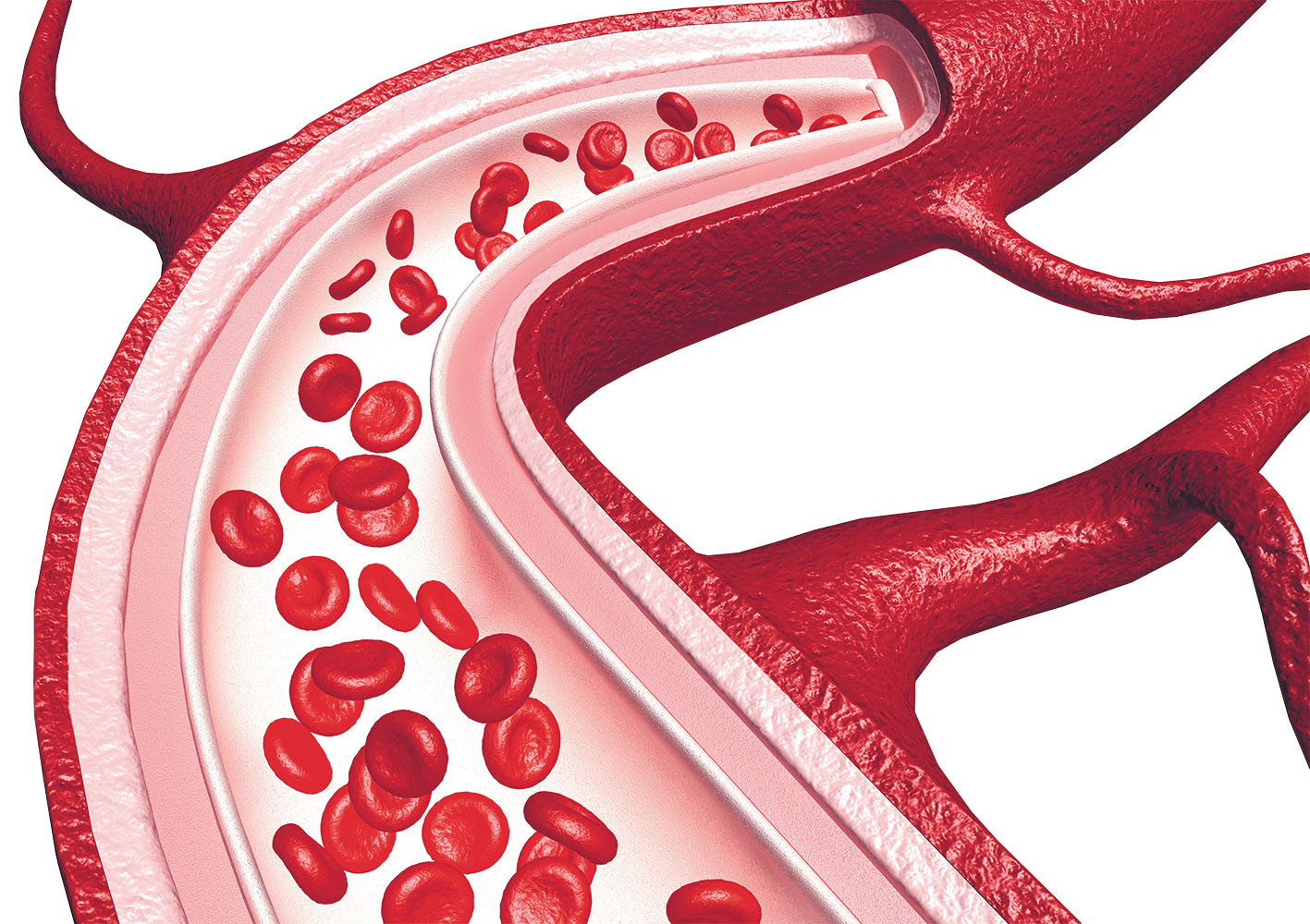
More antidotes for newer blood thinners
New medications add advantages to treatments that help prevent stroke, pulmonary embolism, and deep-vein thrombosis.
Image: © Mohammed Haneefa Nizamudeen/Getty Images
The wait is over for an antidote to stop rare uncontrolled bleeding linked to some newer blood thinners. The FDA approved andexanet alfa (AndexXa) on May 3, 2018. It's the first and only antidote to reverse bleeding in people taking apixaban (Eliquis), rivaroxaban (Xarelto), or edoxaban (Savaysa).
Another newer blood thinner — dabigatran (Pradaxa) — already has an approved antidote called idarucizumab (Praxbind). A dose of vitamin K is used to reverse the action of warfarin (Coumadin), a blood thinner used routinely for more than half a century and, until recently, the only such option for most people.
Depression risks in the medicine cabinet
News briefs
Are you taking a medication that has depression or suicidal thinking as a potential side effect? One or both risks have been linked to use of more than 200 prescription and over-the-counter pills, including medicines that treat high blood pressure, heartburn, pain, and headaches. The more of these drugs you use, the higher the likelihood that you'll experience depression, suggests a study published June 12, 2018, in The Journal of the American Medical Association. Working with five surveys conducted over a nine-year period, researchers evaluated health information from 26,192 adults. About 37% of them reported taking such medications. Of individuals taking three or more of the medications with depression as a possible side effect, about 15% reported depression, compared with about 5% in people not using those medications. Even for people already taking an antidepressant, the addition of one or more of the identified medicines was linked to higher rates of depression. This study was based on surveys, so it didn't prove that the medications caused the reported depression. Nonetheless, if you think you're depressed (and have symptoms such as apathy, hopelessness, changes in sleep or eating habits, and persistent fatigue), ask your doctor if any of the medicines you are taking may be responsible.
Image: © Tero Vesalainen | GettyImages
CoQ10: Should you take this popular supplement if you're on a statin?
Oat vs. dairy milk: Nutrition, benefits, and downsides
Microplastics: A hidden health threat?
Healing after food poisoning
What is tempeh? Benefits, nutrition, and how to use it
Light exposure at night may raise risk for heart disease
Whole grains may improve several heart risk factors at once
A lumbar belt may help ease low back pain
Children of centenarians may stay healthier and live longer too, study finds
Signs of pneumonia: Sometimes vague and unexpected
Free Healthbeat Signup
Get the latest in health news delivered to your inbox!
Sign Up
