

CoQ10: Should you take this popular supplement if you're on a statin?

Oat vs. dairy milk: Nutrition, benefits, and downsides

Microplastics: A hidden health threat?

Healing after food poisoning

What is tempeh? Benefits, nutrition, and how to use it

Light exposure at night may raise risk for heart disease

Whole grains may improve several heart risk factors at once

A lumbar belt may help ease low back pain

Children of centenarians may stay healthier and live longer too, study finds

Signs of pneumonia: Sometimes vague and unexpected
Alzheimer's Disease Archive
Articles

Can I prevent diverticulitis?
Ask the doctors
Q. I recently had diverticulitis. I'd like to avoid a recurrence. Is there anything I can do to prevent this painful condition in the future?
A. As people age, small pouches often form in the wall of the large intestine, a condition called diverticulosis. If food or bacteria become trapped in these pouches, they can become inflamed or infected, which is known as diverticulitis.

Bumps on finger joints may hint at knee problems
Research we're watching
If you have an arthritis-related condition called Heberden's nodes, you may be at higher risk for arthritis-related knee problems, according to a study published online January 9 by Arthritis & Rheumatology.
Heberden's nodes develop when cartilage in the fingers wears away, causing the bones to rub against one another. This prompts new bone to form, creating bony nodules in the knuckles closest to the fingertips.

Spring cleaning: Why more people are uncluttering the mind for better health
The benefits of meditation go beyond stress reduction.
Image: © FatCamera/Getty Images
Most of us sense instinctively that clutter is unhealthy. Sure, we may joke about a disorganized desk or a teenager's messy room, but we feel that a clean, organized space is a healthier, more soothing environment. What about a cluttered mind — a mind constantly presented with different simultaneous challenges and distractions? Is that unhealthy, and is there a fix?
Uncluttering — or, as is usually said, "emptying" — your mind through meditation has a host of health-related benefits, and maybe that's why more people are taking up the practice. Data from a national survey conducted by the CDC's National Center for Health Statistics, published online by the CDC in November 2018, found that 14% of American adults reported meditating in 2017, compared with just 4% in 2012.

Coffee tied to decreased rosacea risk
News briefs
Image: © agrobacter/Getty Images
For some people, it's tough to prevent flare-ups of rosacea, the reddened and sometimes bumpy skin that shows up on the cheeks, nose, and other areas of the face. Caffeine, heat and sun exposure, and a long list of foods (everything from spicy foods to yogurt) have been thought to trigger rosacea or make it worse. But a study published online Oct. 17, 2018, by JAMA Dermatology not only pokes a hole in the idea that caffeine is to blame, it also suggests that one major caffeine source — coffee — might even reduce the risk of rosacea. Researchers analyzed health and diet survey responses gathered every four years from nearly 83,000 women (most of whom were white) from 1991 to 2005. It turns out that women who drank four or more cups of caffeinated coffee per day were 23% less likely to report a diagnosis of rosacea during the study period, compared with women who drank less than one cup per month. Increased caffeine intake from tea, soda, and chocolate had no impact on the likelihood of developing rosacea. The study was only observational and can't prove cause and effect. But coffee has also been linked to many other health benefits, including lower blood pressure, a slower rate of weight gain with age, and reduced risks for developing type 2 diabetes or dying from cardiovascular disease or neurological diseases.

Eating more fruits and vegetables may help men with memory loss
In the journals
Need another reminder to eat your fruits and vegetables? Doing so might lower your risk of memory loss, according to a study published online Nov. 21, 2018, by Neurology. The study looked at almost 28,000 men, average age 51, who filled out questionnaires every four years for 20 years about how many servings of fruits, vegetables, and other foods they ate each day. The participants also took tests of their thinking and memory skills at least four years before the end of the study, when the average age was 73.
The researchers found that men who consumed the most daily servings of vegetables and fruit (six or more servings) were less likely to develop poor thinking skills than the men who consumed the fewest (about two daily servings or less). A serving of fruit was defined as a cup of whole fruit or half a cup of fruit juice. A serving of vegetables was a cup of raw vegetables or two cups of leafy greens.


Grief can hurt — in more ways than one
Stress and depression may lead to new health issues or intensify the symptoms of existing conditions.
Image: © AlexRaths/Getty Images
We tend to think of grieving as an emotional experience, and it is — fraught with intense sadness, profound loss, and psychological pain. But grief has a physical side that sets us up for a number of health risks. "Most of these side effects are the result of emotional distress responses," explains Dr. Maureen Malin, a geriatric psychiatrist with Harvard-affiliated McLean Hospital. Whether you're grieving the loss of a loved one, a job, a home, or a beloved pet, it's important to understand how the process puts your health in jeopardy.
Stress and grief
Grieving takes a toll on the body in the form of stress. "That affects the whole body and all organ systems, and especially the immune system," Dr. Malin says. Evidence suggests that immune cell function falls and inflammatory responses rise in people who are grieving. That may be why people often get sick more often and use more health care resources during this period.

Are there any new flu treatments?
Ask the doctors
Q. I heard that there is a new medication that you can take for the flu. Is this a vaccine?
A. In October 2018, for the first time in 20 years, the FDA approved a new medication to treat the flu. Baloxavir marboxil, sold as Xofluza, is not a vaccine, but rather an antiviral drug that can help your body fight off influenza more quickly. Antivirals work by stopping viruses from reproducing, lessening both the severity of your symptoms and their duration. Xofluza joins two antiviral drugs commonly prescribed for flu, oseltamivir (Tamiflu) and zanamivir inhaler (Relenza). (A third flu drug — peramivir, trade name Rapivab — is administered as an intravenous infusion.)
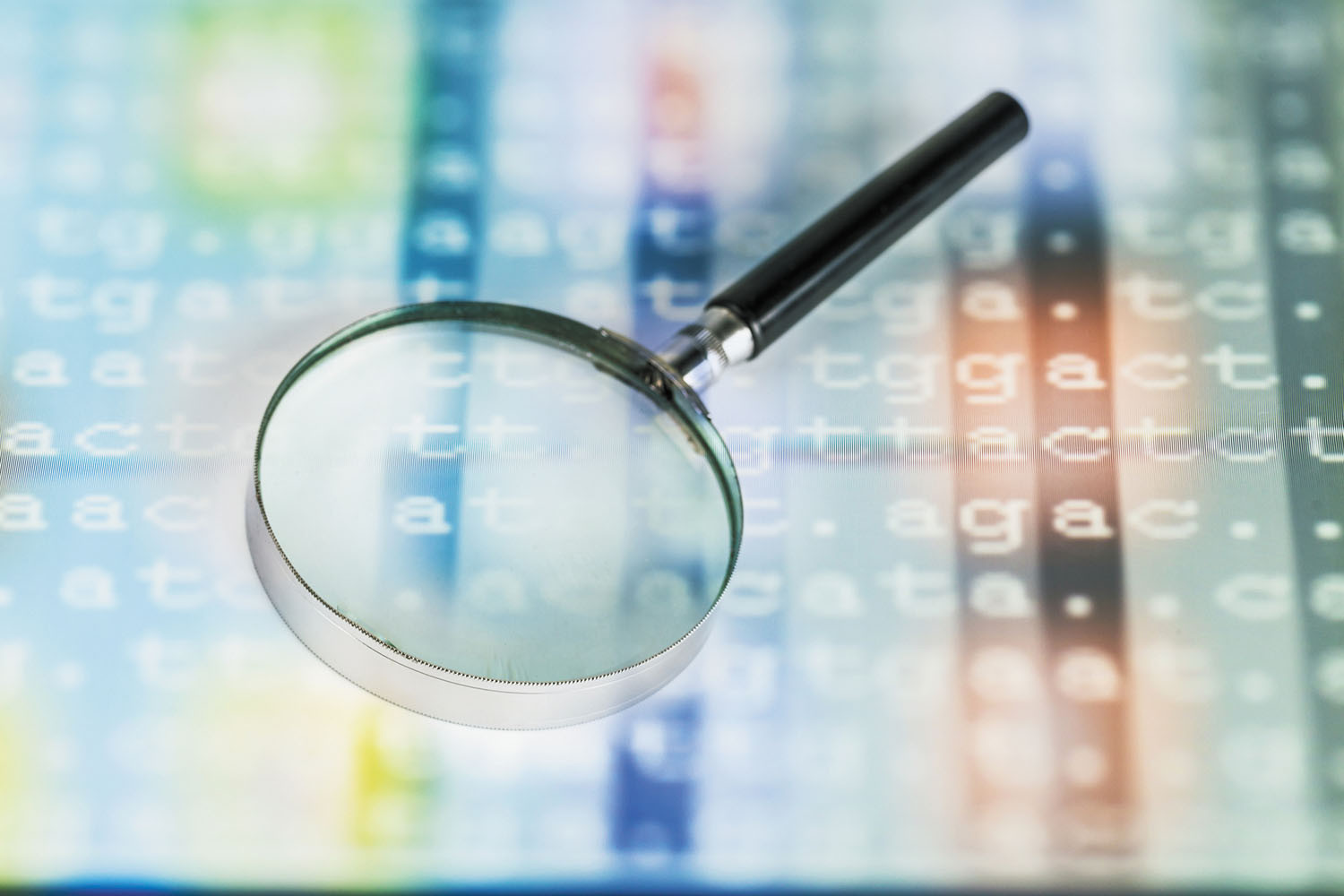
Should you get a home genetic test?
Direct-to-consumer tests may help predict risks to your future health. But are they worth the cost and trouble?
Image: © jxfzsy/Getty Images
Direct-to-consumer (DTC) genetic test kits are a popular way to identify a person's ancestral history, but the technology may also reveal whether someone is at risk for specific diseases and conditions, like Alzheimer's disease, heart disease, and even cancer.
"More and more people want to explore their own medical data, and a DTC genetic test is one way to begin to understand some aspects of your future health," says Dr. Robert Green, a medical geneticist at the Harvard-affiliated Brigham and Women's Hospital and director of the Genomes2People Research Program. "Yet it is important to realize that DTC testing is not the same as genetic testing in a medical context, and is not a comprehensive examination of your DNA."
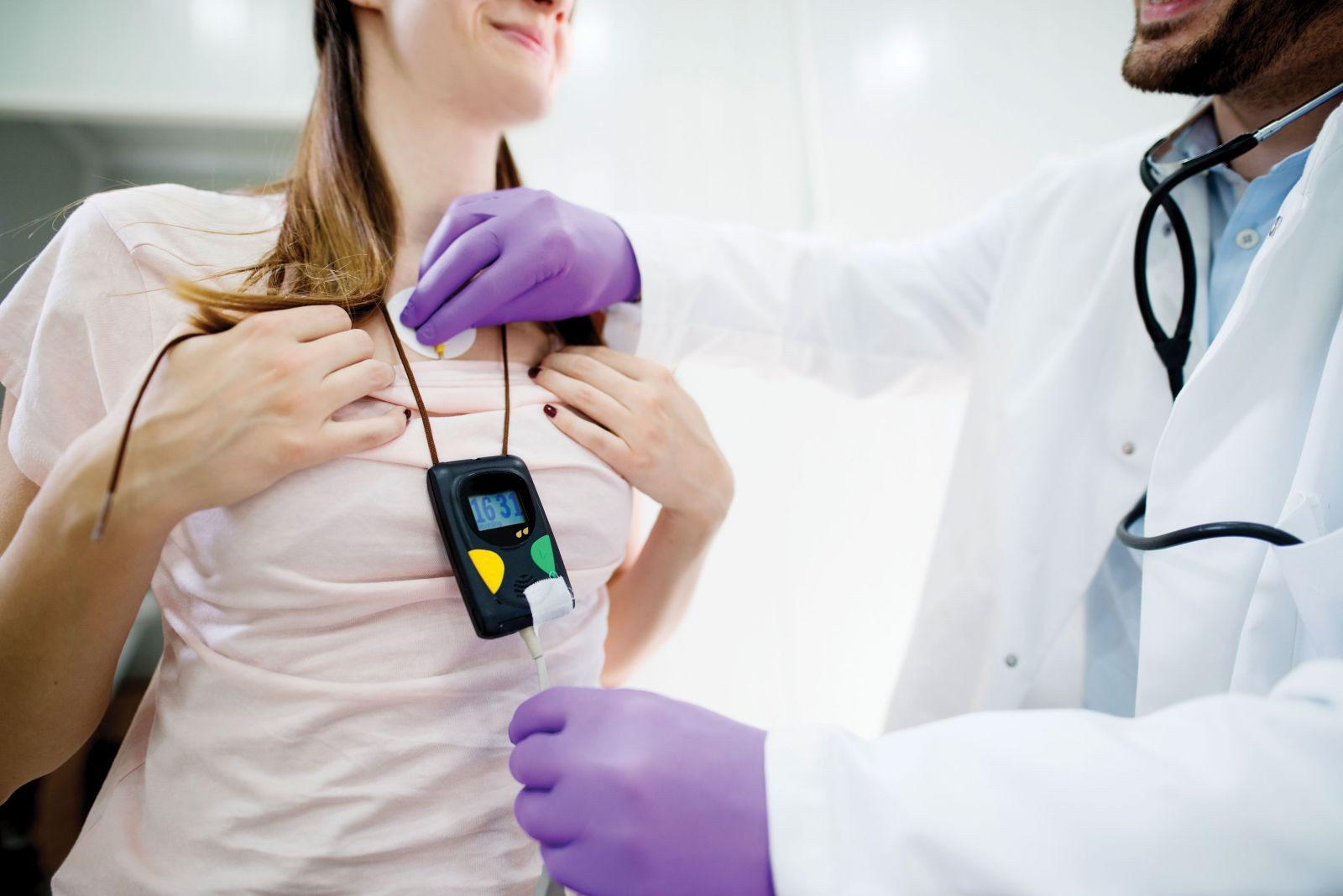
Heart palpitations: Mostly harmless
Occasionally these heart rhythm disruptions signal a more serious condition.
Image: © dusanpetkovic/Getty Images
Lately you've felt like a flipping fish is stuck inside your chest. You feel fine otherwise, but there it is again — flip, flop. It's gone as fast as it appears. But you're starting to worry: is it a sign of a serious heart problem?
Chances are what you're feeling is a condition called heart palpitations, which are usually harmless blips in the heart rhythm, explains Dr. Peter Zimetbaum, a professor of cardiovascular medicine at Harvard Medical School. Only occasionally are these rhythm disturbances the sign of a more serious heart problem that should be checked out.
CoQ10: Should you take this popular supplement if you're on a statin?
Oat vs. dairy milk: Nutrition, benefits, and downsides
Microplastics: A hidden health threat?
Healing after food poisoning
What is tempeh? Benefits, nutrition, and how to use it
Light exposure at night may raise risk for heart disease
Whole grains may improve several heart risk factors at once
A lumbar belt may help ease low back pain
Children of centenarians may stay healthier and live longer too, study finds
Signs of pneumonia: Sometimes vague and unexpected
Free Healthbeat Signup
Get the latest in health news delivered to your inbox!
Sign Up
