

CoQ10: Should you take this popular supplement if you're on a statin?

Oat vs. dairy milk: Nutrition, benefits, and downsides

Microplastics: A hidden health threat?

Healing after food poisoning

What is tempeh? Benefits, nutrition, and how to use it

Light exposure at night may raise risk for heart disease

Whole grains may improve several heart risk factors at once

A lumbar belt may help ease low back pain

Children of centenarians may stay healthier and live longer too, study finds

Signs of pneumonia: Sometimes vague and unexpected
Alzheimer's Disease Archive
Articles
By the way, doctor: Do I need to take bile salts after gallbladder surgery?
Q. I have read that people who have had their gallbladders removed should take bile salts. My gallbladder was removed many years ago, and no doctor has said I should take bile salts. Should I?
A. Bile salts are produced in the liver, secreted into the bile ducts and gallbladder, and sent from there to the small intestine by way of the common bile duct. In the intestine, bile salts make it easier for your body to absorb and digest the fats and fat-soluble vitamins that you've eaten. Remember, not all fats are bad: there are "good" fats, and they are crucial to our health.
By the way, doctor: Does lysine prevent cold sores?
Q. For years, I have had recurrent cold sores and took antiviral drugs to treat the outbreaks. A friend suggested that I take daily lysine. What's the evidence that it works?
A. Cold sores (sometimes called fever blisters) are painful fluid-filled lesions on or near the lips that are caused by the herpes simplex virus (HSV). There are two kinds of HSV: HSV-1, which causes most cold sores, and HSV-2, which is mostly responsible for genital herpes. HSV-1 infection is very common and easily transmitted by kissing or other contact with saliva. Once you're infected, the virus lays dormant in the nerve cells that supply sensation to the skin. When the virus becomes active, it travels to the skin surface and multiplies, causing an outbreak.
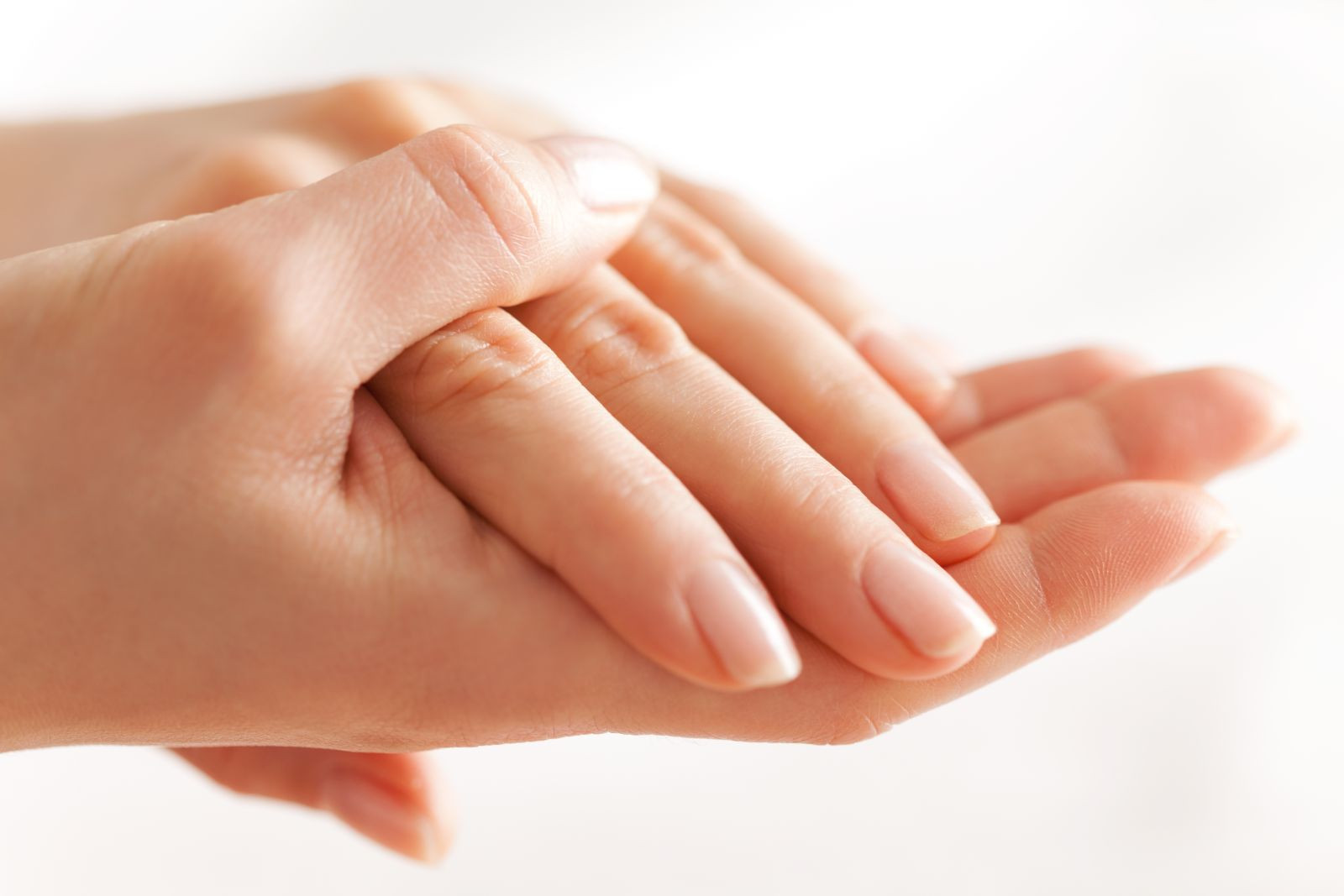
By the way, doctor: What causes Beau's lines?
Q. You wrote about weak, brittle fingernails with longitudinal ridges. I have strong nails with horizontal ridges. What causes this, and what can I do about it?
A. You may be referring to Beau's lines, which are grooves that run horizontally across the nail plate. They usually develop when nail plate growth, which begins in the nail matrix (located under the cuticle), is temporarily disrupted. This can occur with direct injury to the nail matrix; an inflammatory condition such as psoriasis; infection around the nail plate; repetitive picking at the nails or cuticles; or even a manicure. Systemic causes include a common side effect of chemotherapy, nutritional deficiencies, illnesses accompanied by high fever, metabolic conditions, and diminished blood flow to the fingers (from Raynaud's phenomenon, for example).
What is ALS?
Ask the doctor
Q. A friend says that the worst disease of all is ALS. What is it?
A. What makes a disease the "worst?" For many, it would be a disease that robs them of their mind. For others, it would be a disease that creates constant pain. For still others, it would be a disease that makes them unable to care for themselves or to control their bodily functions — in full view of their family and closest friends.

Feeling woozy when you stand?
It might be orthostatic hypotension, a condition that can be challenging to catch and treat.
You stand up and suddenly feel unsteady on your feet. It's easy to brush off this experience as a fluke or a bug, but don't. You may have a condition called orthostatic hypotension, a temporary drop in blood pressure when you stand. It's tricky to catch.
"Blood pressure is highly variable, and depends on position, timing, the method of measurement, and circumstances associated with its measurement," says Dr. Lewis Lipsitz, chief of gerontology at Harvard-affiliated Beth Israel Deaconess Medical Center and director of the Marcus Institute for Aging Research at Hebrew SeniorLife. "It may take multiple blood pressure measurements at different times of day, lying and standing, in order to detect orthostatic hypotension," Dr. Lipsitz says.
Can exercise and diet help mild cognitive impairment?
News briefs
We often tell you about using aerobic exercise and a healthy diet to try to stave off dementia. But will those approaches help if you already have the slight but noticeable change in memory and thinking known as mild cognitive impairment (MCI)? A small randomized trial (the gold standard type of study) published online Dec. 19, 2018, by Neurology suggests the combination of diet and exercise may indeed help. Researchers studied 160 sedentary older adults who had MCI as well as one or more cardiovascular disease risk factors, such as high cholesterol. Participants were randomly assigned to do aerobic exercise, to follow a heart-healthy diet (the Dietary Approaches to Stop Hypertension, or DASH, diet), to do a combination of aerobic exercise and the DASH diet, or to just get weekly heart health education. After six months, people who just exercised several times a week got a little bump in executive function (thinking skills that help us plan and organize), but the biggest change was seen in people who both followed the DASH diet and did aerobic training three times a week. Their improved planning skills were equivalent to reversing nearly 10 years of brain aging, compared with study participants who didn't exercise or improve their diets. The findings demonstrate that it's never too late to start exercising and eating right.
Image: © adamkaz/Getty Images

Should I worry about a twitching eyelid?
On call
Q. Lately, my eyelid has begun to twitch for no reason. It comes and goes, but is this a sign of a serious problem?
A. I suspect you are referring to the situation in which a few of the muscle fibers of the eyelid seem to contract in an irregular and random fashion. While it feels strange, it is almost never a sign of a serious problem.

The mental side of recovery
Dealing with the emotional effects from a physical setback can be a challenge. These three strategies can help.
The physical repercussions of a major health issue, like surgery, an injury, or a heart attack, are tough enough without having to also confront the stress, anxiety, and depression that often accompanies it. Yet managing your mental health is just as important as your physical health when it comes to making a full recovery.
"There is no question that your state of mind can dictate how quickly you can return from a physical setback," says Dr. Jeff Huffman, director of the cardiac psychiatry research program at Harvard-affiliated Massachusetts General Hospital.
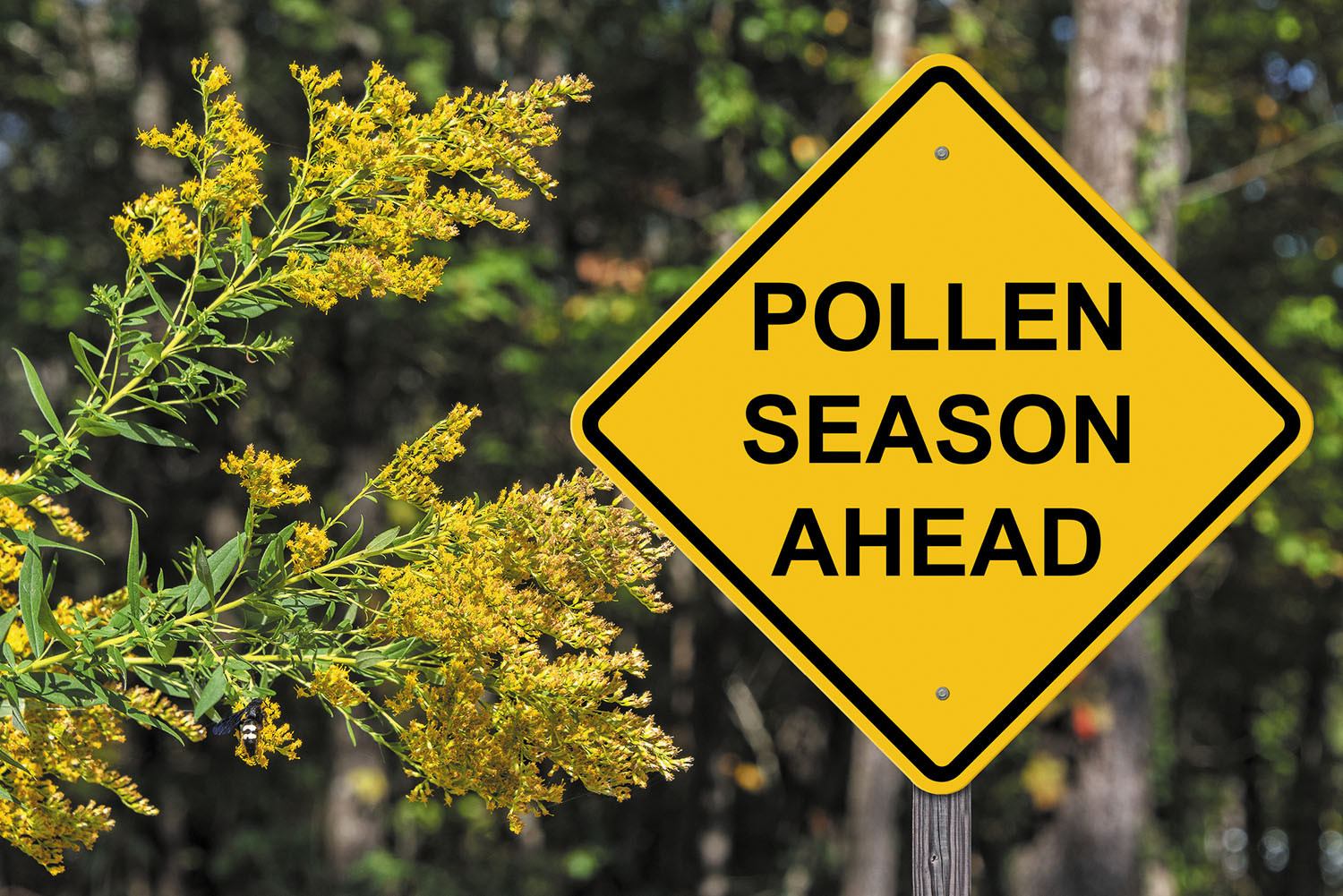
Nothing to sneeze at
Here's how to prepare for the coming allergy season.
Spring is in the air, and so are millions of pollen particles, the tiny grains that fertilize plants. Seasonal allergies — also known as hay fever — can affect almost anyone and at any time in life. Although most people begin to experience allergies in childhood or early adulthood, sometimes the symptoms become more problematic later in life, especially if their living environment changes.
"Even if you have never suffered from allergies — or used to when you were much younger but not anymore — there is a good chance you will become more sensitive to pollen as you reach your 60s and 70s, although it's not clear why," says Dr. Mariana Castells, of the Department of Allergy, Rheumatology, and Immunology at Harvard-affiliated Brigham and Women's Hospital.
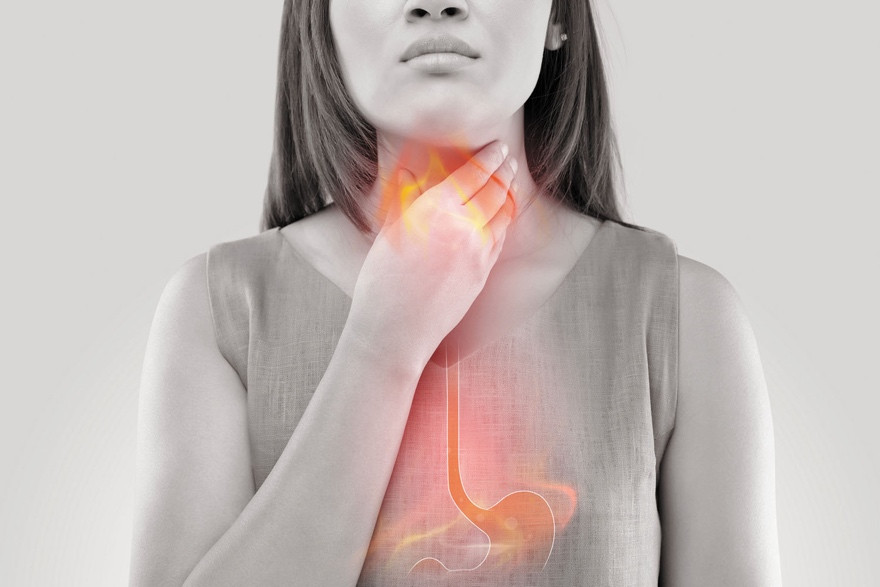
Feeling the burn? Antacids can provide some relief
But these remedies aren't the best choice if you have frequent heartburn.
You feel the familiar sensation in your chest: heartburn. Again, you find yourself reaching for the bottle of antacids in the medicine cabinet. It's something you've done a few times a week for the past six months. Is it okay to keep popping over-the-counter acid reducers, or is it time to see a doctor?
We asked two experts, Dr. Jennifer Nayor and Dr. Molly Linn Perencevich, both instructors in medicine at Harvard Medical School, for their thoughts on heartburn, including when it's okay to use over-the-counter antacids and when you should seek other treatments. Below are their responses.
CoQ10: Should you take this popular supplement if you're on a statin?
Oat vs. dairy milk: Nutrition, benefits, and downsides
Microplastics: A hidden health threat?
Healing after food poisoning
What is tempeh? Benefits, nutrition, and how to use it
Light exposure at night may raise risk for heart disease
Whole grains may improve several heart risk factors at once
A lumbar belt may help ease low back pain
Children of centenarians may stay healthier and live longer too, study finds
Signs of pneumonia: Sometimes vague and unexpected
Free Healthbeat Signup
Get the latest in health news delivered to your inbox!
Sign Up
