

CoQ10: Should you take this popular supplement if you're on a statin?

Oat vs. dairy milk: Nutrition, benefits, and downsides

Microplastics: A hidden health threat?

Healing after food poisoning

What is tempeh? Benefits, nutrition, and how to use it

Light exposure at night may raise risk for heart disease

Whole grains may improve several heart risk factors at once

A lumbar belt may help ease low back pain

Children of centenarians may stay healthier and live longer too, study finds

Signs of pneumonia: Sometimes vague and unexpected
Alzheimer's Disease Archive
Articles
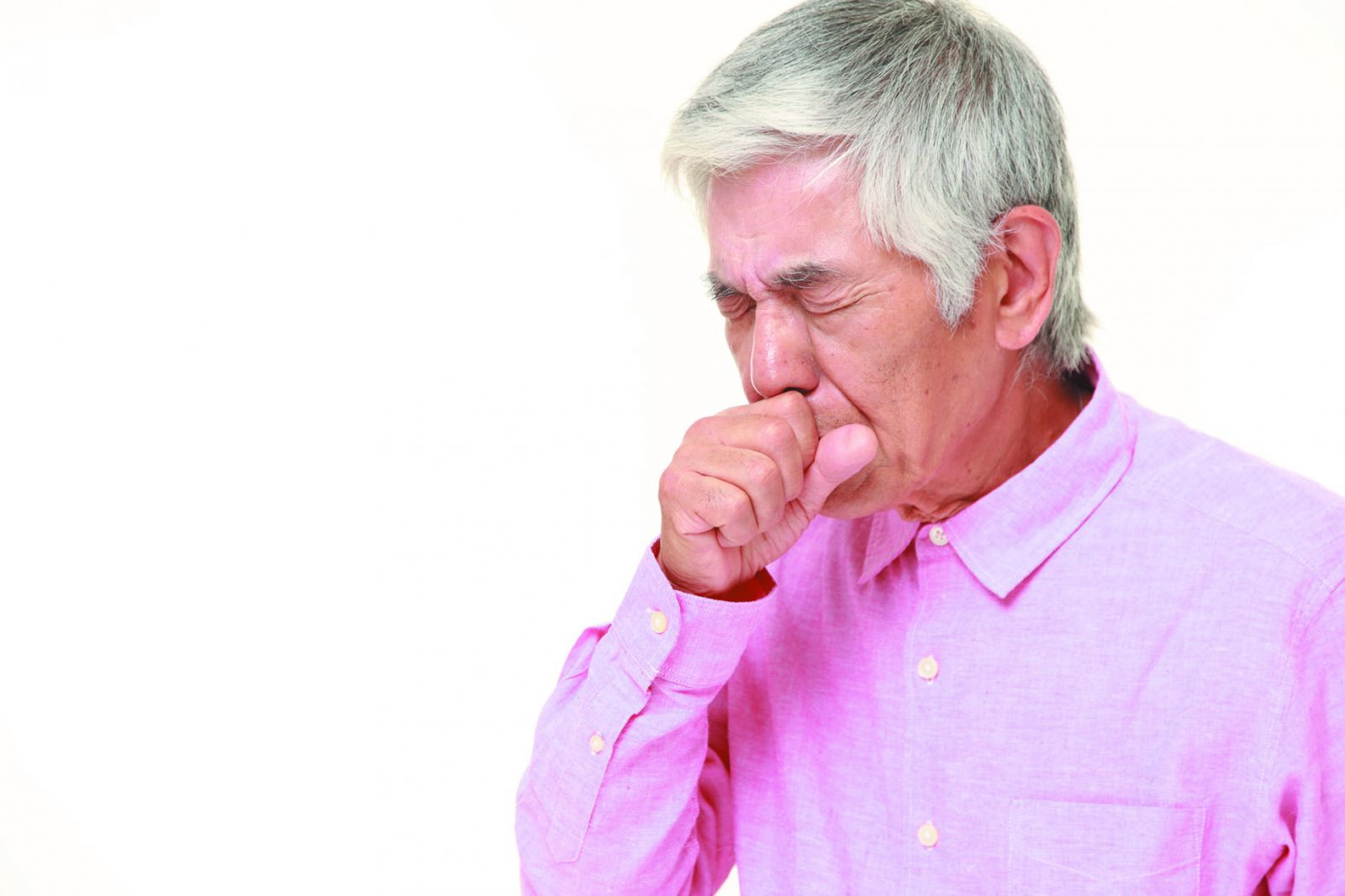
Putting the brakes on a racing heart
A rapid heartbeat can be frightening, but this often-fleeting problem is usually harmless.
Image: © deeepblue/Thinkstock
If you're exercising or feeling very nervous, you expect your heart to beat faster than normal. But what if your heart sometimes starts racing out of the blue, for no apparent reason? You might have supraventricular tachycardia, or SVT. SVT is an umbrella term that covers several different types of rapid heart rhythms, all of which are caused by an electrical glitch in the upper part of the heart.
The most common SVTs are atrial fibrillation — a rapid, chaotic rhythm that increases the chance of having a stroke—and atrial flutter, a fast but usually regular heartbeat. But when cardiologists talk about SVT, they're usually referring to three different, less-common conditions (see "What is supraventricular tachycardia?").
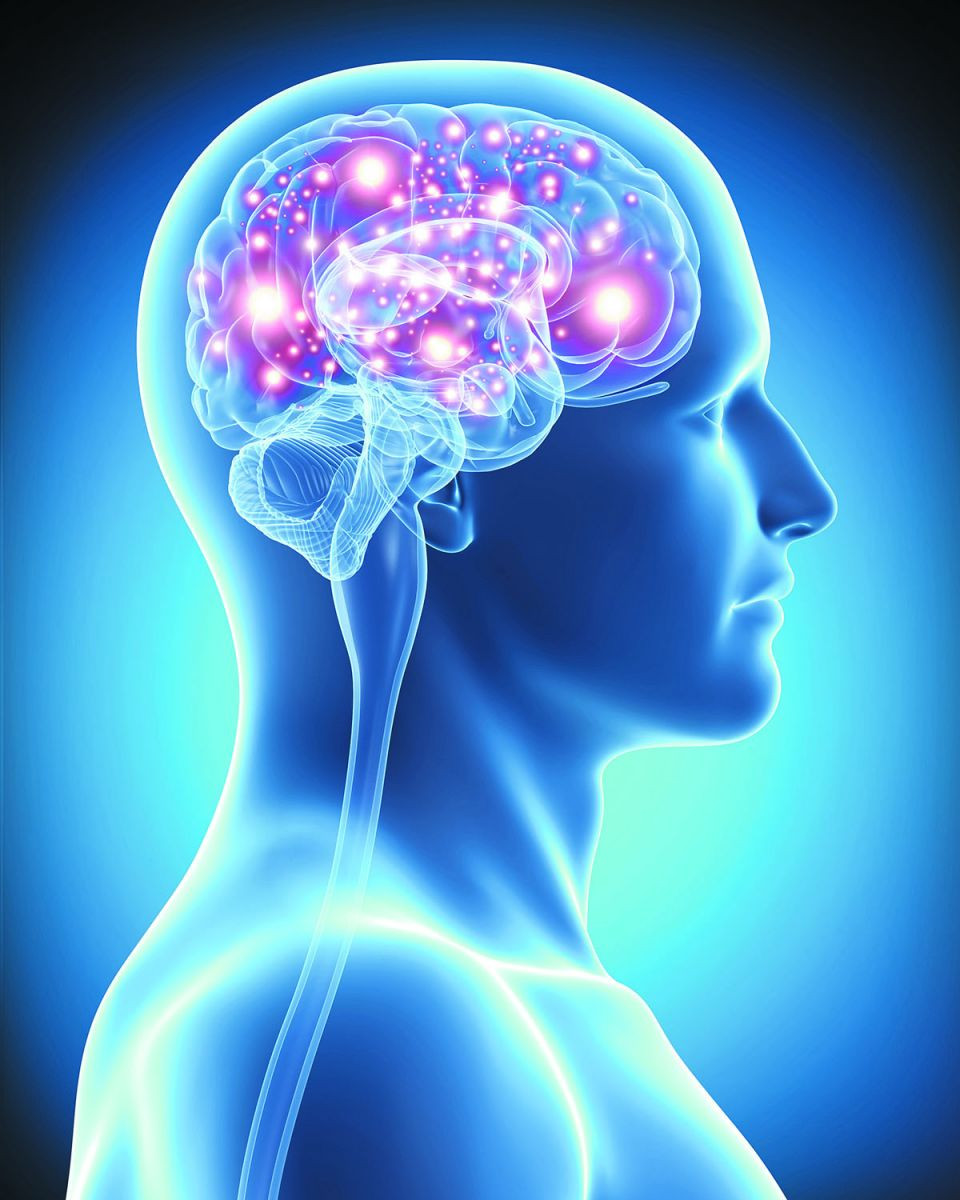
Looking for early signs of Alzheimer’s
By the time memory loss shows up, the disease is well under way. Researchers are finding ways that may reveal brain changes sooner.
For a long time, memory loss was seen as the telltale sign of Alzheimer's disease. While this is certainly the most common symptom, it may not be the best way to identify the disease in its early stages.
"A major problem of Alzheimer's diagnosis, and ultimately effective treatment, is that by the time the first clinical symptoms appear, irreversible damage to the brain has already occurred," says Dr. Seth Gale, a neurologist with Harvard-affiliated Brigham and Women's Hospital. "It is now believed that Alzheimer's-related changes begin in the brain at least a decade before any symptoms emerge."

7 questions to ask when you’re given a prescription for an opioid
A discussion with your doctor may minimize your chance of becoming dependent on or addicted to these powerful painkillers.
Opioid misuse is now one of most important health problems in the United States, rivaling smoking as a cause of death. Although news reports tend to focus on an opioid crisis among the young, the opioid epidemic is increasingly affecting older people as well. In fact, the rates of hospitalization for opioid overdoses among Medicare recipients quintupled from 1993 through 2012. Although older people are still less likely than younger ones to become addicted or succumb to opioid overdoses, they are more likely to suffer side effects from extended opioid use, including memory and cognition problems and falls.
"Opioid use and pain management is something we deal with constantly," says Dr. Michael L. Barnett, assistant professor of health policy at the Harvard T.H. Chan School of Public Health. According to a report from the U.S. Department of Health and Human Services, nearly one-third of Medicare beneficiaries received at least one prescription for opioids in 2015, and those who did got an average of five such prescriptions or refills. Dr. Barnett and a team of his colleagues decided to investigate how Medicare recipients get opioid prescriptions in the first place.

The "other" incontinence — don't suffer in silence
Most people who are suffer from fecal incontinence do so in silence. As a result, the number of people with the condition — which results in the involuntary release of gas or stool — isn't known. But the scant evidence at hand indicates that it usually begins during one's 40s or 50s.
You don't have to live with incontinence — there are treatment options, which include dietary changes and bowel training regimens, and surgery for some people.

How the placebo effect may help you
There is growing evidence that the placebo effect is at work in most successful medical therapies.
Image: © BakiBG/Thinkstock
When you were a child, your mother or grandmother might have used a home remedy that made you feel better, especially when it was delivered with a soothing hand on the forehead or a kiss on the cheek. Perhaps she assured you that a cup of warm milk would help you fall asleep, and you found that it did.
Unbeknownst to you — or her — she was probably harnessing the placebo effect, loosely defined as a favorable response to a medical intervention that doesn't have a direct physiological effect. Although you may have learned later in life that there isn't much scientific evidence to support the practice, you may still sleep better after a cup of warm milk at bedtime.
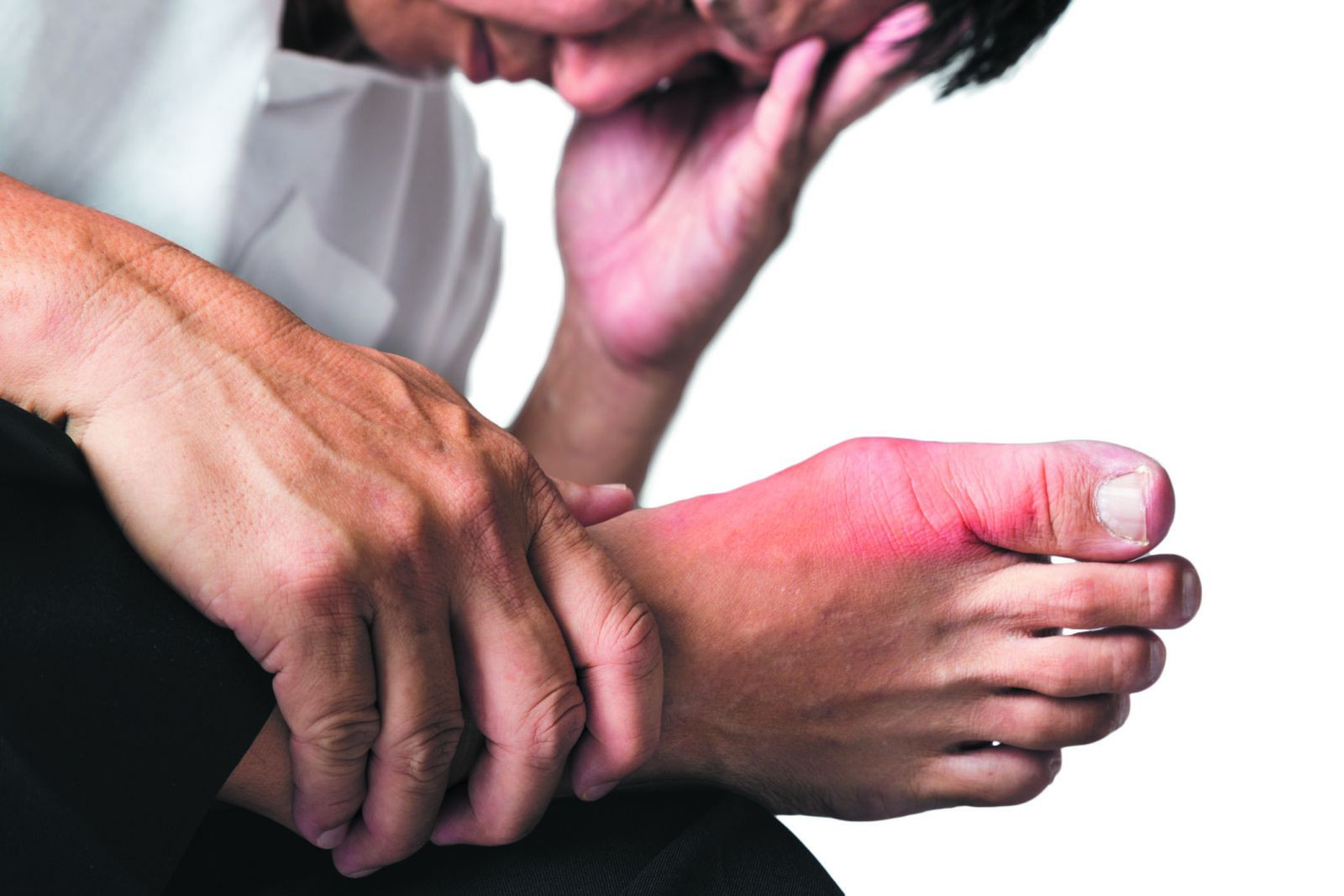
Are you at risk for gout?
This common type of arthritis can show up suddenly and cause debilitating pain.
Image: © ThamKC/Thinkstock
The great artists Ludwig van Beethoven, Luciano Pavarotti, and Leonardo da Vinci had more than extraordinary talent in common; they were also sufferers of a type of inflammatory arthritis called gout. You may be at risk of joining their ranks if you have any potential triggers for the condition. "Most people are surprised by their initial gout diagnosis, unless they have a strong family history," says Dr. Mark Fisher, a rheumatologist at Harvard-affiliated Massachusetts General Hospital.
About gout
Gout is mostly a man's condition, although women can experience it, too. It's caused by a buildup of uric acid — a waste product from the breakdown of natural chemicals called purines (an essential part of DNA).

Does your heart need a valve job?
Because medications cannot effectively treat aortic stenosis, a stiff, narrowed aortic valve needs to be replaced.
Your aortic valve is the gateway between your heart and body. With every heartbeat, it opens to allow blood to flow to your body, then snaps shut to keep blood from moving back into the heart.
As people age, calcium deposits may collect on the hard-working aortic valve, causing it to stiffen and narrow. Known as aortic stenosis, this condition also can result from a genetic abnormality (see "What is a bicuspid aortic valve?"). But most cases are in older people, often — but not always — those with high blood pressure, high cholesterol, and other risk factors linked to heart disease. In the United States, about three to four of every 100 people ages 75 and older have severe aortic stenosis.

What is the best way to treat severe dandruff?
On call
Q. I have had a dandruff problem for years. I have tried selenium and zinc shampoos, as well as ketoconazole shampoo. Nothing has worked. Are there other options?
A. Dandruff, which is a chronic skin condition known as seborrheic dermatitis of the scalp, can range from a minor irritant to a severe rash of the entire scalp.

New thinking about urinary tract infections
Don't be surprised if your doctor doesn't rush you into treatment.
Image: © iStock
Urinary tract infections (UTIs) can be tricky in older age. They're not always as easy to spot or treat as in youth. And the decades-long approach to treatment is changing. "We've been hasty in using antibiotics, and we're learning there are significant consequences that can range from side effects of medication to infections with antibiotic-resistant bacteria," says Dr. Helen Chen, a geriatrician at Harvard-affiliated Hebrew Rehabilitation Center.
About UTIs
UTIs can occur anywhere in the urinary tract. The most common places are the bladder (where urine is stored) and the urethra (the tube through which you urinate). Less common, but more serious, is infection of the kidneys, which filter waste and extra water from the blood and make urine. Infections may be triggered by sexual activity, catheters, kidney stones, decreased estrogen in the lining of the vagina, or urine that's pooled in the bladder.
Harvard researchers link diverticulitis to red meat
News briefs
Red meat is associated with an increased risk for developing cardiovascular disease, diabetes, and some types of cancer. Now, a study published online Jan. 9, 2017, by the journal Gut suggests that eating red meat is associated with an increased risk for developing diverticulitis. This occurs when tiny pouches in the wall of the large intestine become inflamed, potentially causing cramps, diarrhea, constipation, and even rectal bleeding. We don't really know what causes diverticulitis, so researchers explored possible dietary links. They analyzed health and diet information reported by more than 46,000 men (ages 40 to 75) over 26 years. Men who ate the most red meat per week (about 13 servings) were 58% more likely to develop diverticulitis during the study period, compared with men who ate the least red meat per week (1.2 servings). The association was strongest for unprocessed red meat like steak. However, the risk for developing diverticulitis was 20% lower when people in the study substituted poultry or fish for a serving of unprocessed red meat each day. The findings don't prove that red meat causes diverticulitis, but other studies have suggested red meat may be a factor in diverticular disease.
CoQ10: Should you take this popular supplement if you're on a statin?
Oat vs. dairy milk: Nutrition, benefits, and downsides
Microplastics: A hidden health threat?
Healing after food poisoning
What is tempeh? Benefits, nutrition, and how to use it
Light exposure at night may raise risk for heart disease
Whole grains may improve several heart risk factors at once
A lumbar belt may help ease low back pain
Children of centenarians may stay healthier and live longer too, study finds
Signs of pneumonia: Sometimes vague and unexpected
Free Healthbeat Signup
Get the latest in health news delivered to your inbox!
Sign Up
