

Light exposure at night may raise risk for heart disease

Whole grains may improve several heart risk factors at once

A lumbar belt may help ease low back pain

Children of centenarians may stay healthier and live longer too, study finds

Signs of pneumonia: Sometimes vague and unexpected

The surprising link between ovarian cancer and the fallopian tubes

Using a vibration plate: What it can — and can't — do for your body

People who walk more or walk faster live longer, study finds

For sleep apnea, a dental device may be as effective as CPAP

Rosacea treatments: What works?
Addiction Archive
Articles
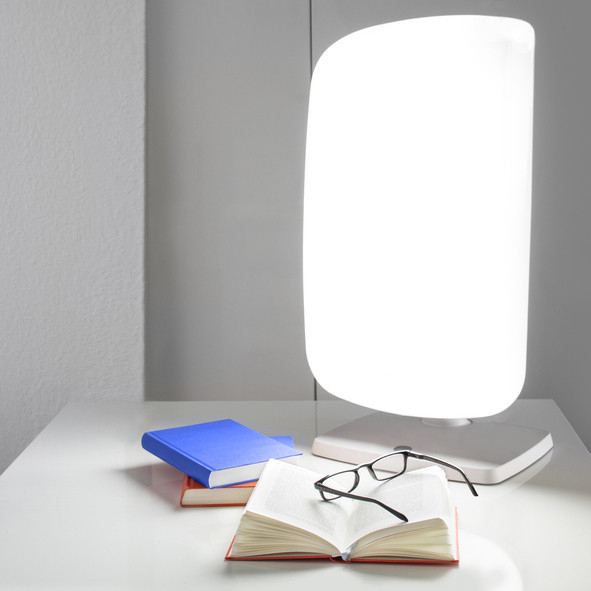
Can light therapies help with bipolar disorder?
One approach to treating bipolar disorders is manipulation of the body’s circadian rhythms. A recent review of research found that such therapies may help, often in combination with medications and psychotherapy.

Focus on concentration
Here's what to do when your mind tends to wander.
Everyone's attention can drift at times, like when you lose your concentration for a moment while doing routine tasks.
Many people shrug off these lapses in focus as "senior moments," but they might be related to a vulnerable brain process called executive function.

Don’t stress about heart health
Chronic stress is associated with an increased risk of heart disease, heart attacks, and strokes. These strategies can help you manage it.
People often complain about stress, but it's actually a natural reaction with an essential purpose.
When the body senses danger, it starts its fight-or-flight response. Your nervous system releases hormones like adrenaline and cortisol, which jolt the body into a protective mode. Your heart pounds faster, muscles tighten, blood pressure rises, breathing quickens, and your senses sharpen.

Is my winter mood change due to seasonal affective disorder?
Ask the doctors
Q. Every winter I experience mood changes. How do I know if it's seasonal affective disorder?
A. Seasonal affective disorder (SAD) is a type of depression that typically affects individuals during the winter months. Some experts believe it's triggered by a reduction in natural light, which starts in the fall and continues until the spring. Tracking your mood changes can help your doctor determine if you have the condition. People formally diagnosed with SAD experience episodes of major depression that occur in the fall and winter for at least two years. During these episodes, people may feel hopeless or worthless, have sleep problems, or experience changes in appetite or weight. They may also be irritable or anxious and lose interest in favorite activities.

Can my job cause high blood pressure?
Ask the doctors
Q. I have a very stressful job, and recently my blood pressure readings started going up. Could my job stress be the reason why?
A. Yes, chronic stress can affect blood pressure. Several hormones affect your heart's rhythm, including epinephrine and norepinephrine. When these hormone levels rise, your heart starts to work harder. Stress hormones can also constrict your blood vessels, causing temporary blood pressure spikes.

Smoking linked to mental illness
Research we're watching
Need another reason to quit smoking? Smoking may increase your chances of developing schizophrenia or depression, says a study published Nov. 6, 2019, in Psychological Medicine. It's long been known that people with mental illness are more likely to smoke than those without mental illness. But no one ever looked at what came first — the smoking or the mental illness. Researchers decided to find out using a database containing data from more than 462,000 people, of whom 8% were current smokers and 22% former smokers. The team found that people who smoked not only had a higher risk of developing depression and schizophrenia, but that people with either conditions were also more likely to smoke (although the association was not as strong for schizophrenia). The bottom line: Smoking may be bad not only for your lungs, but also your mind.
Image: Zhang Rong/Getty Images

Quick-start guide to mental health professionals
Learn about the different kinds of experts and how they can help you.
Where should you turn when you suspect that you have a mental health condition: a psychiatrist, a psychologist, or some other type of mental health professional? It's tough to figure out what kind of clinician can best help you sort out your problems and provide the care you need.
Often a primary care visit is a good start. Your physician can assess your symptoms and refer you to a mental health professional for evaluation and appropriate treatment.

Can mind-body therapies help reduce reliance on opioids?
News briefs
A large study published online Nov. 4, 2019, by JAMA Internal Medicine offers hope for people who want to reduce their reliance on opioids. The powerful prescription painkillers, such as oxycodone (OxyContin) and hydrocodone (Vicodin), are typically used to treat severe pain after surgery, pain with terminal illness, and chronic pain. But use of these drugs comes with the risk of dependence, addiction, overdose, and death. So researchers set out to determine if mind-body therapies (such as meditation or hypnosis) could help ease pain. Scientists reviewed 60 randomized trials with more than 6,400 people taking opioids for reasons such as surgery, burns, cancer, or chronic pain. Researchers noted moderate to large improvements in pain among people who added meditation, hypnosis, cognitive behavioral therapy (CBT), or therapeutic suggestion to their pain control regimens. Meditation, hypnosis, and CBT were so effective that people were able to slightly reduce the amount of opioids they were taking. Two other therapies — relaxation therapy and guided imagery — did not have a significant impact on pain. The great news: you have nothing to lose by adding one of these mind-body therapies to your regimen, and it may even help.
Image: FatCamera/Getty Images


Consider this Harvard finding before you toast the New Year
News briefs
We've reported before that heavy drinking is tied to an increased risk for developing dementia. A Harvard-led study published online Sept. 27, 2019, by JAMA Network Open suggests that the risk is even worse if you have mild cognitive impairment (MCI). Researchers analyzed the data of more than 3,000 dementia-free adults (average age 78, some with MCI) who reported their alcohol use and underwent psychological testing for six years. People with MCI who drank heavily (more than 14 drinks per week) had a 72% higher risk for dementia than people who drank less than one drink per week. However, people without MCI who drank moderately (seven to 14 drinks per week) didn't appear to have an increased risk for dementia, and even seemed to have a 37% lower risk for dementia compared with people who consumed less than one drink per week. The bottom line: "Our results suggest that moderation is the healthiest approach if you drink. And if you have mild cognitive impairment, you may want to reconsider drinking alcohol at all," says Dr. Kenneth Mukamal, a study author and researcher with the Harvard T.H. Chan School of Public Health.
Image: franckreporter/Getty Images
Light exposure at night may raise risk for heart disease
Whole grains may improve several heart risk factors at once
A lumbar belt may help ease low back pain
Children of centenarians may stay healthier and live longer too, study finds
Signs of pneumonia: Sometimes vague and unexpected
The surprising link between ovarian cancer and the fallopian tubes
Using a vibration plate: What it can — and can't — do for your body
People who walk more or walk faster live longer, study finds
For sleep apnea, a dental device may be as effective as CPAP
Rosacea treatments: What works?
Free Healthbeat Signup
Get the latest in health news delivered to your inbox!
Sign Up
