

Light exposure at night may raise risk for heart disease

Whole grains may improve several heart risk factors at once

A lumbar belt may help ease low back pain

Children of centenarians may stay healthier and live longer too, study finds

Signs of pneumonia: Sometimes vague and unexpected

The surprising link between ovarian cancer and the fallopian tubes

Using a vibration plate: What it can — and can't — do for your body

People who walk more or walk faster live longer, study finds

For sleep apnea, a dental device may be as effective as CPAP

Rosacea treatments: What works?
Addiction Archive
Articles

Keeping teens home and away from friends during COVID-19
It may be difficult to impress on your teenage children the importance of staying home and not socializing with their friends during this pandemic, but as parents, you are going to have to convince them. Here are some helpful tools and ideas.

Not a staycation: Isolating at home affects our mental health (and what to do)
As the COVID-19 crisis keeps us at home for longer and longer, it’s important to acknowledge that this situation is having negative effects on everyone’s mental health. Here’s how parents and families can take care of themselves in ways that go beyond normal self-care strategies.
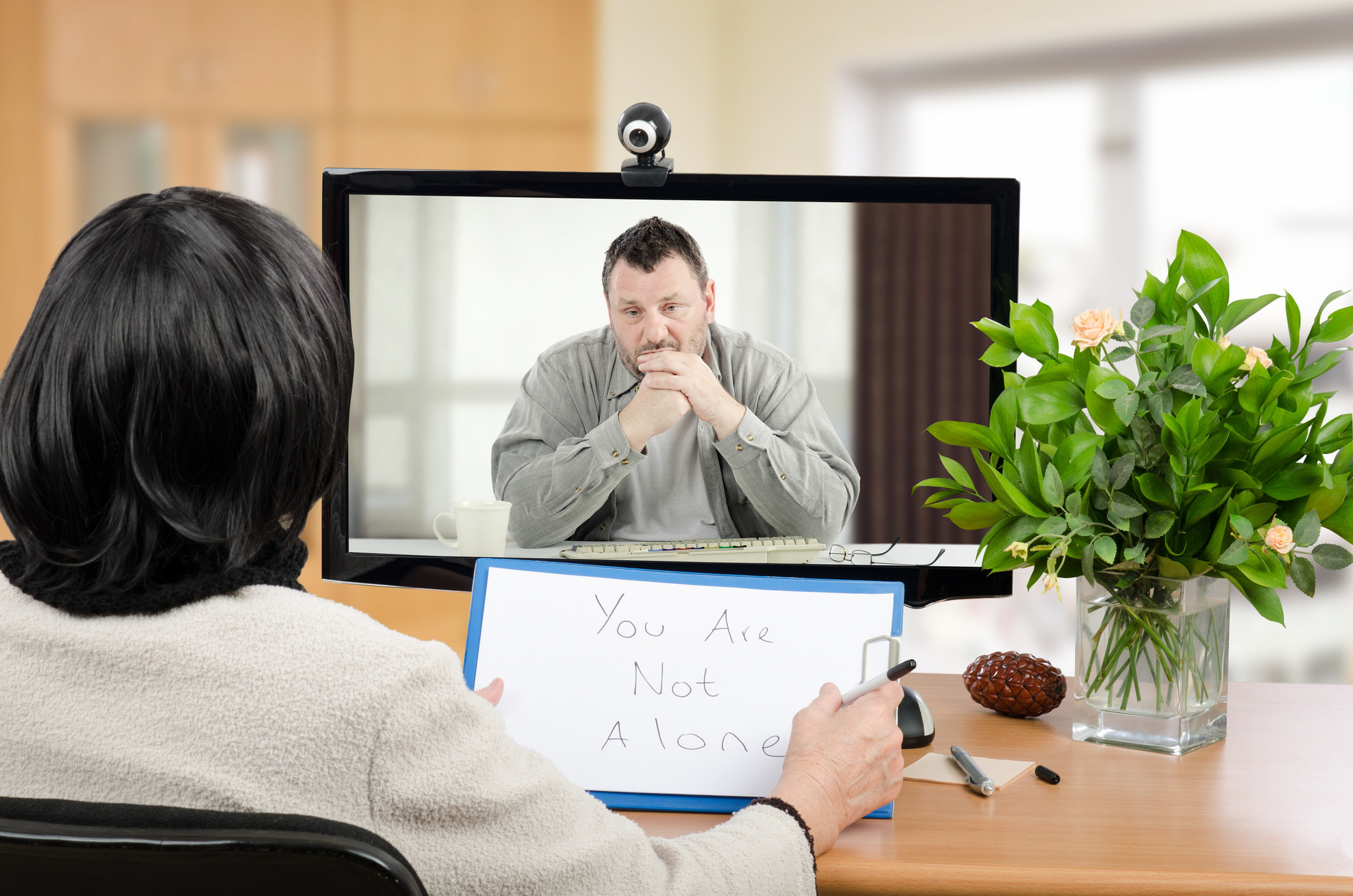
Recovering from addiction during a time of uncertainty and social distancing
Because the very nature of recovery support involves face-to-face interaction, whether in support group meetings or dispensing medication, it is at odds with the need for social distancing during the COVID-19 crisis, creating barriers to receiving support and maintaining recovery.

5 steps to long-lasting independent living
Here's how to maintain your current active lifestyle.
Older adults want to enjoy their independent living as long as possible. Yet this can become a challenge as people face more health issues.
"Most life changes that cause older adults to lose some or all of their independence occur either gradually or suddenly," says Dr. Jennifer Rhodes-Kropf, a primary care geriatrician at Harvard-affiliated Hebrew SeniorLife's Center Communities of Brookline, Mass. "You need to stay on top of critical areas that can jeopardize your health and lifestyle."
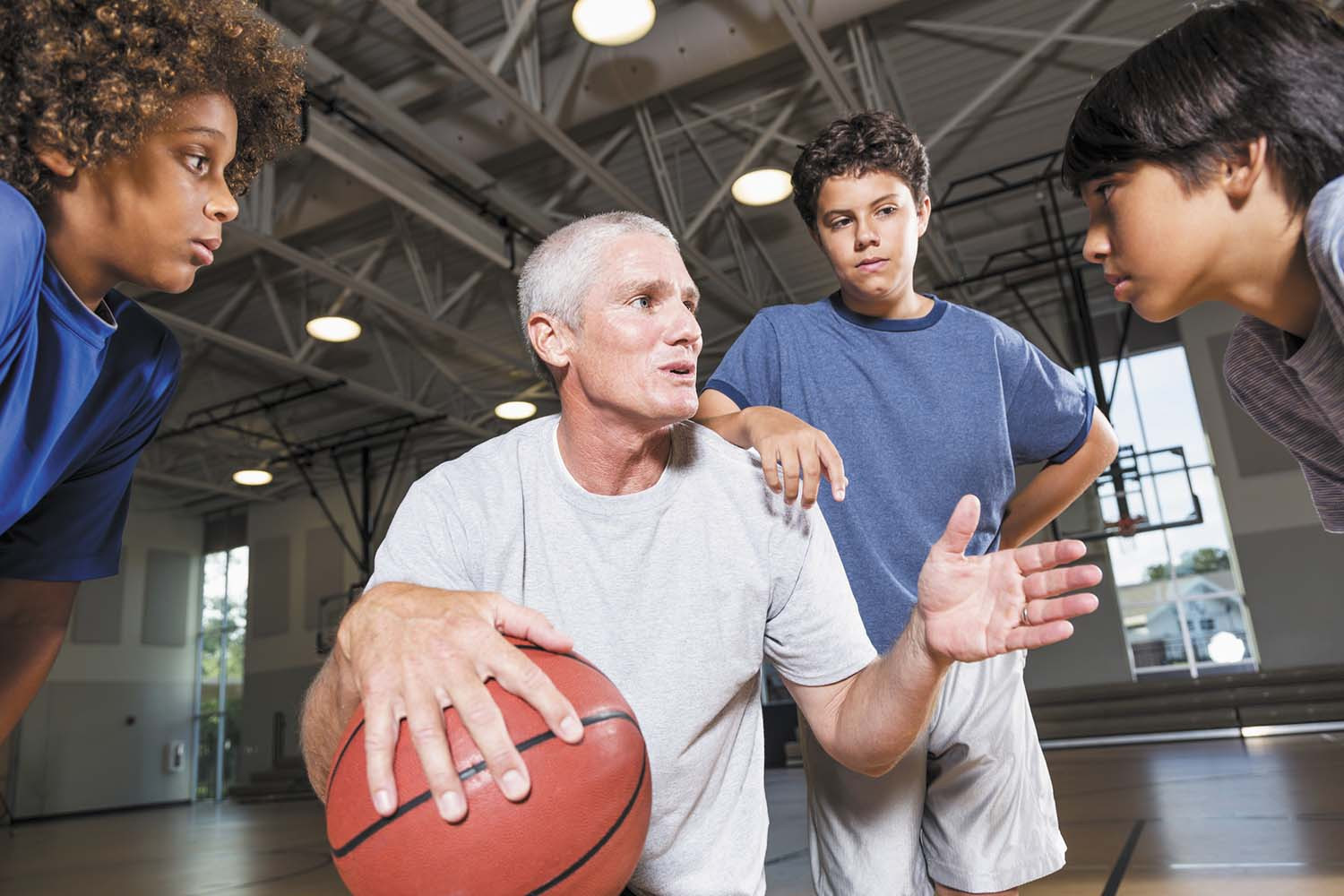
How to be a mentor
Sharing your life experiences and wisdom with the younger generation can benefit both them and you.
Did you have someone in your life you looked up to? A role model who offered guidance and advice during your formative childhood years or early in your career? These mentors helped shape the person you became. Now is an ideal time to return the favor and become a mentor for a younger person.
"Many older adults have valuable insight and experience that can benefit the next generation as well as improve their own well-being in the process," says Dr. Shannon Scott-Vernaglia, director of pediatric residency training with Harvard-affiliated Massachusetts General Hospital, who leads the hospital's mentorship program. "Mentorship can be a wonderful gift for everyone involved."

Larger waist size may point to dementia risk
In the journals
Older adults with a healthy weight but a large waistline could have a higher risk of developing dementia, according to a recent study.
Weight gain and obesity are known risk factors for dementia, and body mass index (BMI) is often used to estimate excess body fat. (BMI is a measure that takes into account both weight and height.)

Finding meaning in life could improve your health
In the journals
Do you feel you have a purpose in your life — or perhaps think you will never find one? The answer could influence your overall well-being, says a recent study in the January/February 2020 issue of The Journal of Clinical Psychiatry.
Researchers asked 1,042 adults, average age 65, to fill out questionnaires about meaning in their lives, and compared their responses with data on their physical and mental well-being. Respondents who believed they had meaning in their life had better physical and mental health scores and higher cognitive function compared with those who didn't.

Coping with the coronavirus pandemic for people with anxiety disorders
The coronavirus pandemic causing COVID-19 understandably makes most people feel anxious. Coping with the challenges is even more difficult for the many people who have a pre-existing anxiety disorder.

Apps to keep us connected in a time of social distancing
The challenge of being isolated from loved ones and friends can be eased by using any of several different apps that enable various types of communication, including video calls and messages.
Opportunities for growth: Transitions for youth with autism spectrum disorder
For young people with autism spectrum disorder, the transition from adolescence to adulthood is marked by changes in many areas of their lives. Healthcare providers and caregivers can make this transition smoother and help their patients meet these challenges.
Light exposure at night may raise risk for heart disease
Whole grains may improve several heart risk factors at once
A lumbar belt may help ease low back pain
Children of centenarians may stay healthier and live longer too, study finds
Signs of pneumonia: Sometimes vague and unexpected
The surprising link between ovarian cancer and the fallopian tubes
Using a vibration plate: What it can — and can't — do for your body
People who walk more or walk faster live longer, study finds
For sleep apnea, a dental device may be as effective as CPAP
Rosacea treatments: What works?
Free Healthbeat Signup
Get the latest in health news delivered to your inbox!
Sign Up
