

Healing after food poisoning

What is tempeh? Benefits, nutrition, and how to use it

Light exposure at night may raise risk for heart disease

Whole grains may improve several heart risk factors at once

A lumbar belt may help ease low back pain

Children of centenarians may stay healthier and live longer too, study finds

Signs of pneumonia: Sometimes vague and unexpected

The surprising link between ovarian cancer and the fallopian tubes

Using a vibration plate: What it can — and can't — do for your body

People who walk more or walk faster live longer, study finds
Addiction Archive
Articles

The Essential 8: Enhanced advice for a healthy heart
The American Heart Association revamped its online tool, My Life Check, designed to help people prevent cardiovascular disease. Along with other changes, the AHA added healthy sleep duration to the list of seven other factors assessed by the tool. Those factors are maintaining a healthy weight, not smoking, being physically active, eating a healthy diet, and keeping blood pressure, blood sugar, and cholesterol at acceptable levels. Each factor (now known as Life's Essential 8) are scored on a scale of 1 to 100 and used to generate a composite cardiovascular health score.

Aiming for longevity
Genetics, lifestyle, and environmental factors contribute to reaching age 100. More than 100,000 people were 100 or older in 2019, triple the number in 1980. People reaching extreme old age tend to be nonsmokers, are not obese, and cope with stress effectively. Studies show that diets incorporating more fruits, vegetables, and whole grains may lower the odds of frailty and increase life span. Siblings and children of long-living people also are likelier to live longer than peers. Optimism is associated with higher odds of living beyond 90.

Light therapy: Not just for seasonal depression?
Light therapy can help improve seasonal affective disorder (SAD). But many people don't realize that it can also be effective for major depression, and depression that occurs during or after pregnancy (known as perinatal depression).

Psychosis: Will catching early warning signs help?
Could identifying early warning signs of psychosis and providing appropriate support change the course of the illness? Early-intervention programs aim to do this with at-risk teens and young adults, and those experiencing a first episode of psychosis.

Why life expectancy in the US is falling
Life expectancy is one measure of the general health of a population. In the US, life expectancy had been climbing for more than a century — until the pandemic. After dropping in 2020, it dropped again in 2021, and some population groups fared worse than others.

Breakthrough in brain stimulation offers cautious hope for depression
Transcranial magnetic stimulation helps some people with treatment-resistant depression, but the process takes multiple weeks and gets results in only about a third of those who try it. A new approach to delivering this therapy showed promise in a small study.

How can you find joy (or at least peace) during difficult times?
When people are going through difficult times, it's normal to feel a lack of joy. But even while struggling, the ability to find moments of joy can have profound and far-reaching effects on the mind and body.

What's the relationship between memory loss and driving?
Alzheimer's disease and other forms of dementia affect all the regions of the brain involved in driving, but whether or not a person should give up driving depends on the severity of the disease and the specific cognitive abilities that are impaired.
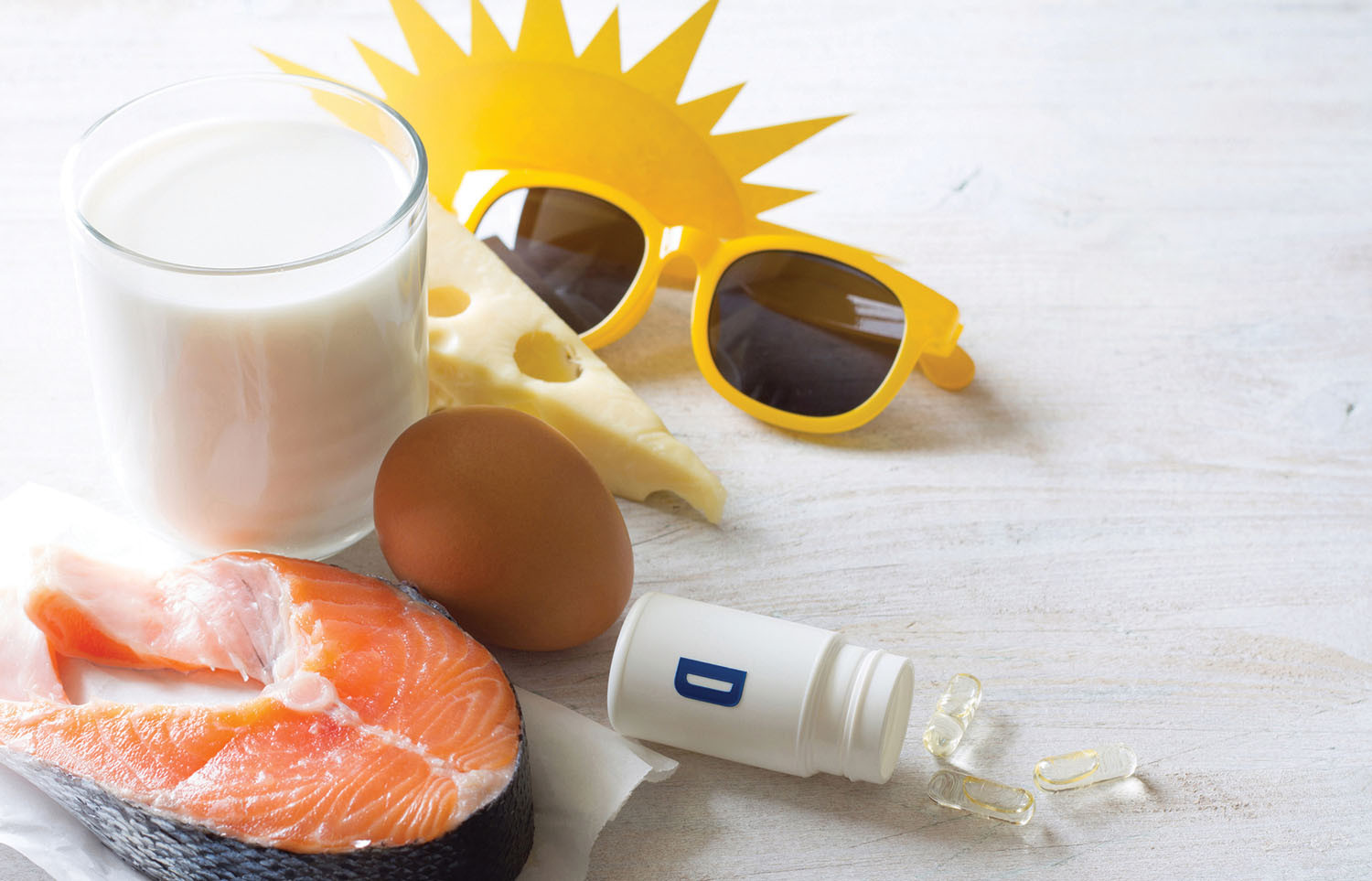
Low vitamin D levels may increase odds of dementia
A 2022 study found that low blood levels of vitamin D (under 25 nanomoles per liter) were linked with higher risks of dementia. People can boost vitamin D levels from diet, supplements, or sun exposure.

Women's heart attacks more strongly connected to different risk factors than men's
A 2022 study found that women under 55 experiencing heart attacks have different leading risk factors than men in this age group. For women, diabetes, depression, high blood pressure, and low household income are strong risk factors for heart attack.
Healing after food poisoning
What is tempeh? Benefits, nutrition, and how to use it
Light exposure at night may raise risk for heart disease
Whole grains may improve several heart risk factors at once
A lumbar belt may help ease low back pain
Children of centenarians may stay healthier and live longer too, study finds
Signs of pneumonia: Sometimes vague and unexpected
The surprising link between ovarian cancer and the fallopian tubes
Using a vibration plate: What it can — and can't — do for your body
People who walk more or walk faster live longer, study finds
Free Healthbeat Signup
Get the latest in health news delivered to your inbox!
Sign Up
