

Healing after food poisoning

What is tempeh? Benefits, nutrition, and how to use it

Light exposure at night may raise risk for heart disease

Whole grains may improve several heart risk factors at once

A lumbar belt may help ease low back pain

Children of centenarians may stay healthier and live longer too, study finds

Signs of pneumonia: Sometimes vague and unexpected

The surprising link between ovarian cancer and the fallopian tubes

Using a vibration plate: What it can — and can't — do for your body

People who walk more or walk faster live longer, study finds
Addiction Archive
Articles

New guidelines on opioids for pain relief: What you need to know
The CDC's 2016 guidelines for prescribing opioid medications aimed to reduce deaths from overdose. Recent revisions to these guidelines aim for refinement while emphasizing safety and the importance of finding the best treatment solution for each person.

Shortage of ADHD medicines: Advice on coping if you are affected
The prescription drug Adderall has been in short supply for months. How widespread is this problem, and what are the consequences, and possible solutions, for adults who rely on this medication to manage ADHD?

Can a multivitamin keep your brain healthy?
A recent study found that older adults who took a multivitamin daily for three years had improved scores on tests of executive function, memory, and overall brain function, but the study wasn't large enough, long enough, or diverse enough to rely on its conclusions alone.

Beyond momentary calm
Mindfulness is the act of paying attention and focusing on the moment. Research has long shown mindfulness can help lower anxiety, but new studies suggest additional benefits. These include feeling less pain, making fewer mistakes, and being more resilient. Many people confuse meditation with mindfulness. Although there is some overlap, meditation is a practice that leads to being more mindful. Both meditation and mindfulness aim to help people stay present and nonjudgmental.

A life-changing detour
Each year, millions of couples face one partner's serious diagnosis with a condition such as cancer, heart or kidney failure, or neurological illness, among others. People can support their partners through a difficult diagnosis and treatment by keeping communication open, maintaining daily routines, becoming informed about the medical condition, attending doctor visits, adding assistive devices in their home, getting wills and other legal documents in order, and seeking and accepting help from others.

Building a "cognitive reserve" offers brain protection in old age
A 2022 study suggests that following certain healthy habits throughout life can create a "cognitive reserve" that may protect the brain from dementia. People in their 60s and 70s can still build up their reserve by pursuing a combination of brain-stimulating activities.
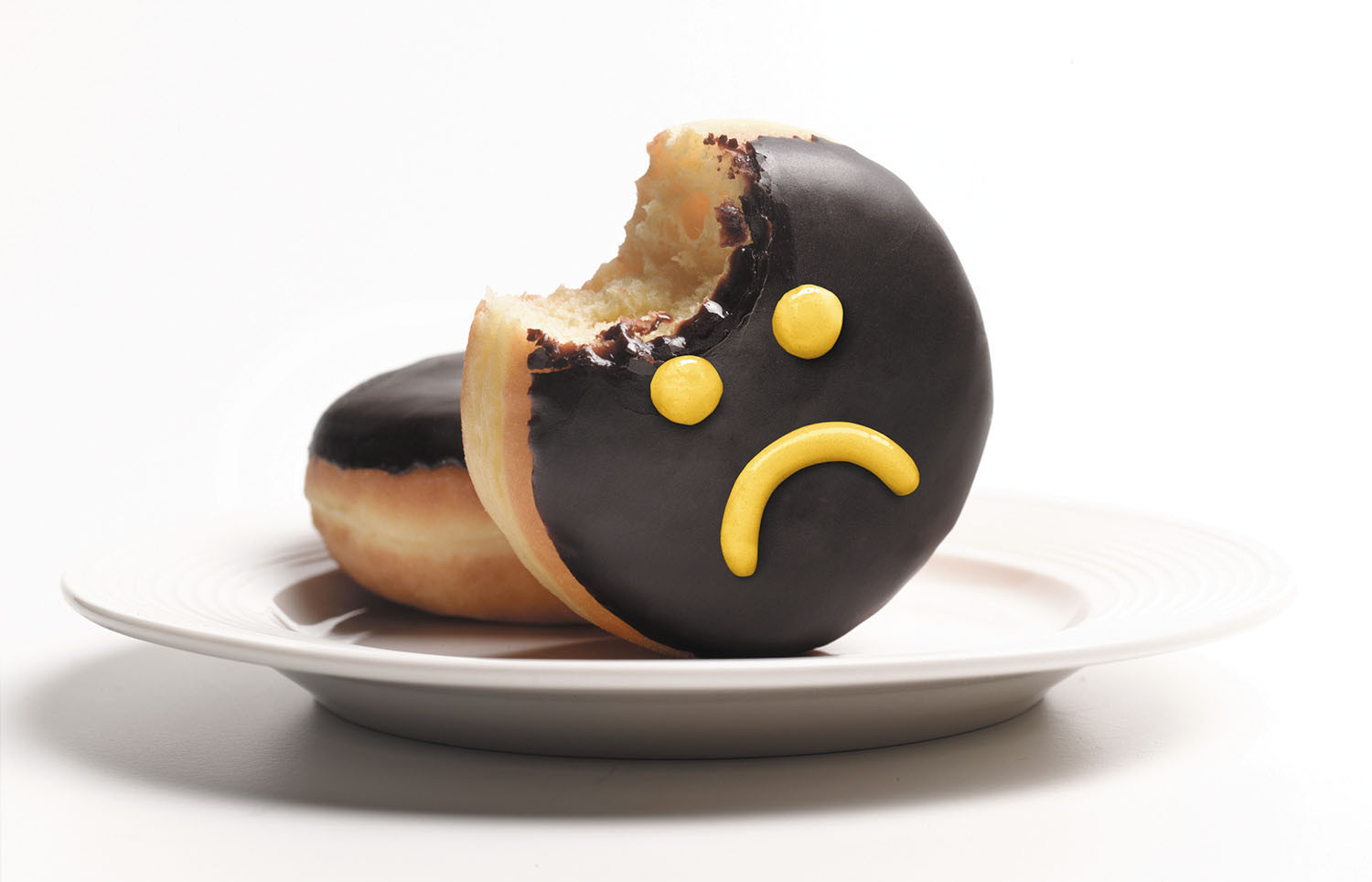
Cutting back on ultra-processed foods linked with lower dementia risk
People who ate large amounts of ultra-processed foods had a greater risk of later developing dementia compared with people who ate little of these foods, according to a 2022 study. Researchers estimated that switching out even 10% of ultra-processed foods for healthier options might lower one's risk.

Drug-free solutions for pain
Relying on pain pills for persistent aches, pains, and soreness can come with side effects and increase the risk of drug dependency. A solution is to try any of several available drug-free therapies to help manage and even treat common types of pain, such as physical and massage therapy, yoga, acupuncture, and therapies that help change your perception and reaction to pain.

Can these approaches really improve memory?
Scientists are studying two novel approaches to improve memory. One approach centers on molecules in the blood and spinal fluid that appear to help improve memory. So far, experiments have been limited to lab animals. Another approach involves exposing the brain to electrical currents. A study in humans, published online Aug. 22, 2022, by the journal Nature Neuroscience, found that electrical stimulation directed at specific areas of the brain improved both working memory and long-term memory for at least a month.

6 myths about dementia
There are many misconceptions about dementia. One is that it's a disease. In fact, dementia is a general term describing thinking and memory skills that have deteriorated to the point of experiencing problems with daily activities. Another myth is that dementia is part of normal aging. It isn't; dementia is simply more common as people get older — just like heart disease, stroke, and cancer. Other common myths about dementia include the notions that it always appears as memory loss, it's always genetic, it causes the loss of all memories, and it's never reversible.
Healing after food poisoning
What is tempeh? Benefits, nutrition, and how to use it
Light exposure at night may raise risk for heart disease
Whole grains may improve several heart risk factors at once
A lumbar belt may help ease low back pain
Children of centenarians may stay healthier and live longer too, study finds
Signs of pneumonia: Sometimes vague and unexpected
The surprising link between ovarian cancer and the fallopian tubes
Using a vibration plate: What it can — and can't — do for your body
People who walk more or walk faster live longer, study finds
Free Healthbeat Signup
Get the latest in health news delivered to your inbox!
Sign Up
