

Healing after food poisoning

What is tempeh? Benefits, nutrition, and how to use it

Light exposure at night may raise risk for heart disease

Whole grains may improve several heart risk factors at once

A lumbar belt may help ease low back pain

Children of centenarians may stay healthier and live longer too, study finds

Signs of pneumonia: Sometimes vague and unexpected

The surprising link between ovarian cancer and the fallopian tubes

Using a vibration plate: What it can — and can't — do for your body

People who walk more or walk faster live longer, study finds
Addiction Archive
Articles

Heart health guidelines get updated
The American Heart Association recently revised its checklist for achieving optimal heart health. Adequate sleep was added, and updates were made to previous recommendations for diet, cholesterol and blood sugar measurements, and nicotine exposure.

Meeting your exercise goals online
The COVID-19 pandemic shut down many gyms, spawning new online fitness class options that included Spin, Pilates, dance, and yoga. Maintaining an exercise routine during the pandemic offered multiple physical and mental health benefits by boosting mood-related brain chemicals and enhancing sleep. People exercising virtually could stay fit and maintain contact with others without risk of COVID infection. Even beyond pandemic-related concerns, virtual workouts can offer convenience, variety, privacy, and a sense of shared experience.

Screening for cognitive dysfunction
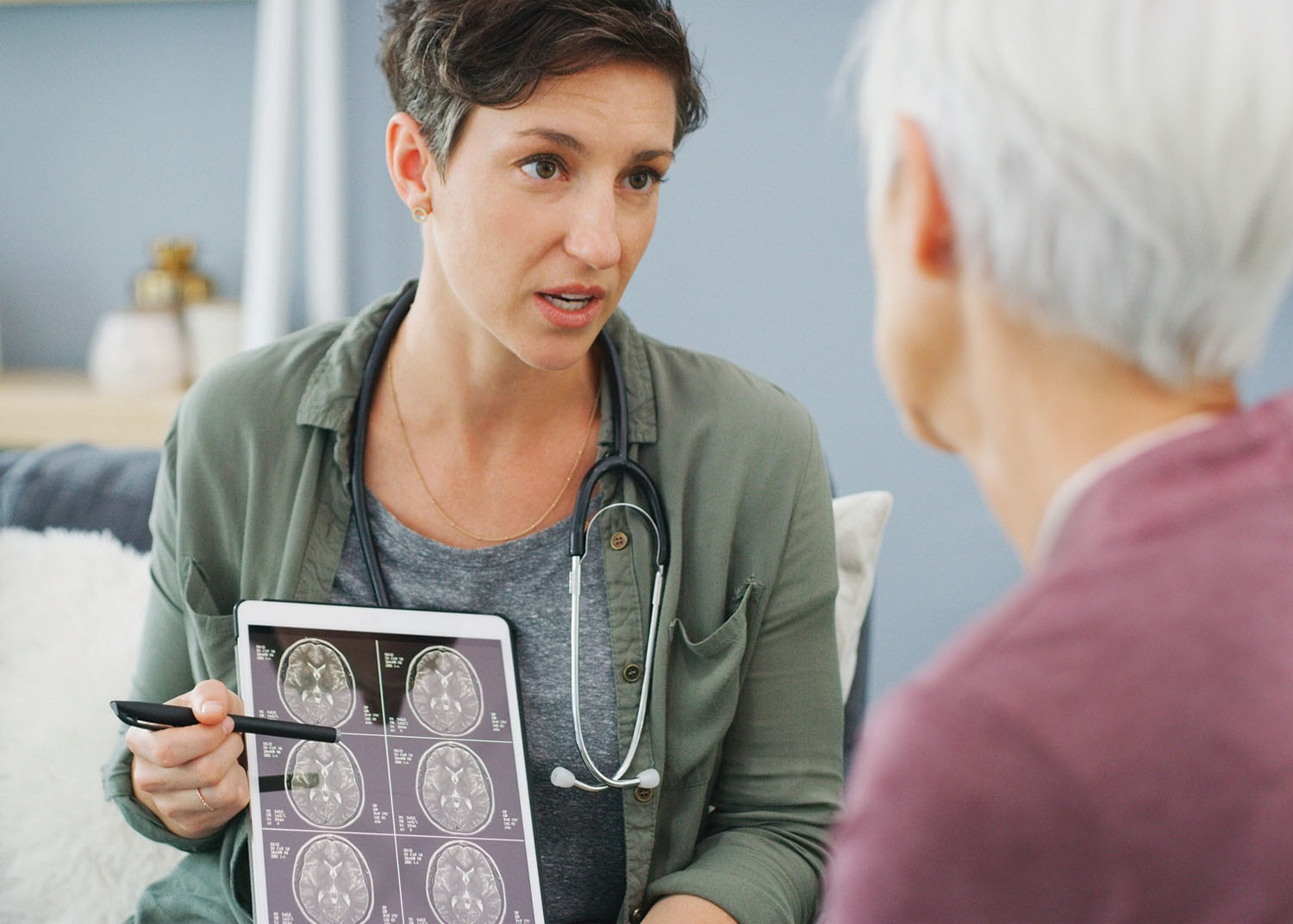
Occasional forgetfulness and memory lapses are often dismissed as a sign of normal aging. But if these episodes become more frequent or problematic, or if they affect daily life, older adults should consult their primary care physician, A doctor can offer an evaluation for mild cognitive impairment. This includes a brief in-office screening test of thinking skills like short-term recall, concentration, attention, ability to juggle multiple tasks, and orientation to time and place.
Hearts and minds
Vascular dementia, which arises from longstanding, cumulative damage to small blood vessels in the brain, may cause or contribute to up to half of cases of dementia. The vessels may thicken or become blocked by blood clots, causing tiny strokes that damage specific parts of the brain important for various thinking abilities. Keeping blood pressure in the recommended range of 120/80 or lower is the best way to prevent vascular dementia.

Why is it so challenging to find a primary care physician?
An adequate supply of primary care physicians is essential for our health care system to function properly, but it's becoming more and more difficult to find one. Rates of burnout are high among PCPs, and many are considering cutting back their work hours or leaving altogether.

The popularity of microdosing of psychedelics: What does the science say?
Renewed research into the potential benefits of psychedelic drugs has led to interest in microdosing — taking a fraction of a regular dose. Many people believe that microdosing can help them, but the evidence from some recent studies is mixed.

Severe COVID infection may lead to noticeable cognitive loss
A 2022 study found that survivors of severe COVID-19 infections can develop cognitive problems, such as brain fog or trouble finding words, equivalent to the loss of 10 IQ points or 20 years of aging.

High-inflammatory diets linked with increased dementia risk
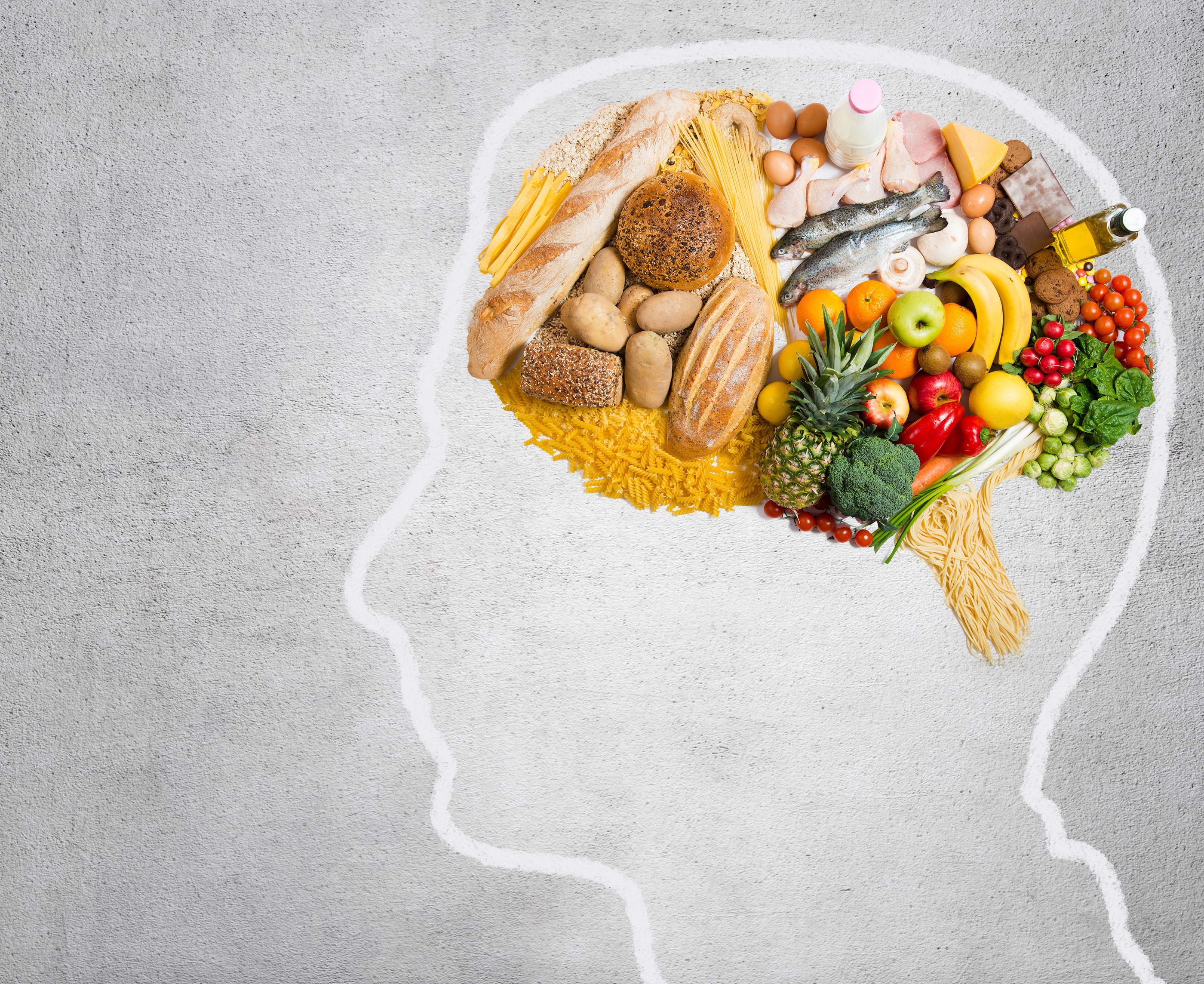
Healthy older adults may have a higher risk for dementia if they follow high-inflammatory diets that include greater amounts of simple sugars, cholesterol, saturated fat, and fried foods.

The mental powers of super-agers
Older adults known as super-agers have cognitive function similar to that of young people. Experts believe this is because their brains shrink at a much slower rate, which may be the result of genetics or lifestyle habits or both. While people can't alter their genes, it could be possible to slow their natural brain decline by adopting some super-ager habits, like being physically active, pursuing mentally challenging hobbies, eating a diet rich in inflammation-fighting foods, and engaging with social groups.
Healing after food poisoning
What is tempeh? Benefits, nutrition, and how to use it
Light exposure at night may raise risk for heart disease
Whole grains may improve several heart risk factors at once
A lumbar belt may help ease low back pain
Children of centenarians may stay healthier and live longer too, study finds
Signs of pneumonia: Sometimes vague and unexpected
The surprising link between ovarian cancer and the fallopian tubes
Using a vibration plate: What it can — and can't — do for your body
People who walk more or walk faster live longer, study finds
Free Healthbeat Signup
Get the latest in health news delivered to your inbox!
Sign Up
