

People who walk more or walk faster live longer, study finds

Rosacea treatments: What works?

For sleep apnea, a dental device may be as effective as CPAP

Carb cycling: What is it, and does it work?

Understanding orthorexia: Have your healthy eating goals gone too far?

Melatonin or magnesium: Can either supplement help you sleep?

Salmonella, E. coli, Cyclospora, and other germs that cause food poisoning: What you need to know

Naturally gluten-free foods

Harvard study: Healthier fats linked to longer life after prostate cancer diagnosis

Shingrix shingles vaccine linked with lower heart disease risks
Vitamins, minerals, herbs, and supplements Archive
Articles


Omega-3s for anxiety?
News briefs
Image: © emiliozv/Getty Images
Omega-3 fatty acid supplements may help ease anxiety symptoms in people diagnosed with a range of physical and mental health problems, according to a review published in the Sept. 14, 2018, JAMA Network Open. The report pooled findings from 19 different studies and included 1,200 people. Most of the studies compared omega-3 supplements to a placebo. Taken together, the studies included people with a range of health problems, including heart attacks, attention deficit disorder, substance abuse, depression, and Parkinson's disease, as well as some groups without any specific clinical diagnosis. Researchers found that people who took high doses of omega-3s (up to 2,000 mg a day) seemed to have the most reduction in anxiety symptoms. Omega-3 fatty acids, which are usually derived from fish oil, have a number of biological effects in the body. Brain membranes contain a high proportion of these fats, and human studies suggest that a lack of omega-3s in the brain may induce various behavioral and psychiatric disorders. For now, it's too soon to recommend high-dose omega-3 supplements for treating anxiety. Larger trials testing the supplements (both alone and combined with standard treatments) are needed, the study authors say.

What’s in that supplement? Sometimes more than you bargain for
Research we're watching
Do you know someone who is using a supplement for weight loss, muscle building, or sexual enhancement? You might want to recommend a dose of caution. An analysis published on October 12 by JAMA Network Open found that many of these supplements contain unapproved and potentially dangerous pharmaceutical ingredients. From 2007 to 2016, FDA reviewers detected contaminants in 776 dietary supplements, produced by 146 different companies. Contaminants included sildenafil, which is the generic form of the drug Viagra; sibutramine (Meridia), a weight-loss drug taken off the market in the United States in 2010; and anabolic steroids or steroid-like substances. And 20% of products contained more than one unapproved ingredient.
These supplements could prove harmful for those who take them because their ingredients may interact with other medications or cause problems for people with underlying health conditions.

Dietary supplements: Dubious value, hidden dangers
Most lack evidence of any health benefit — and some contain stimulants that could affect your heart.
Image: © PeopleImages/Getty Images
Of the nearly $37 billion Americans spend on dietary supplements each year, about two-thirds are for vitamins and minerals. The rest are pills, powders, and tinctures that contain various substances isolated from an array of sources — mainly plants but also animals and microorganisms.
Why are these products so popular? Some people believe that our food supply has been stripped of important nutrients, so they take supplements to replace what's "missing" (although many foods are already fortified to replace vitamins that are destroyed during processing). Others feel that Western medicine relies too heavily on pharmaceuticals and prefer to take natural substances instead. (However, a number of common drugs are derived from plants.)
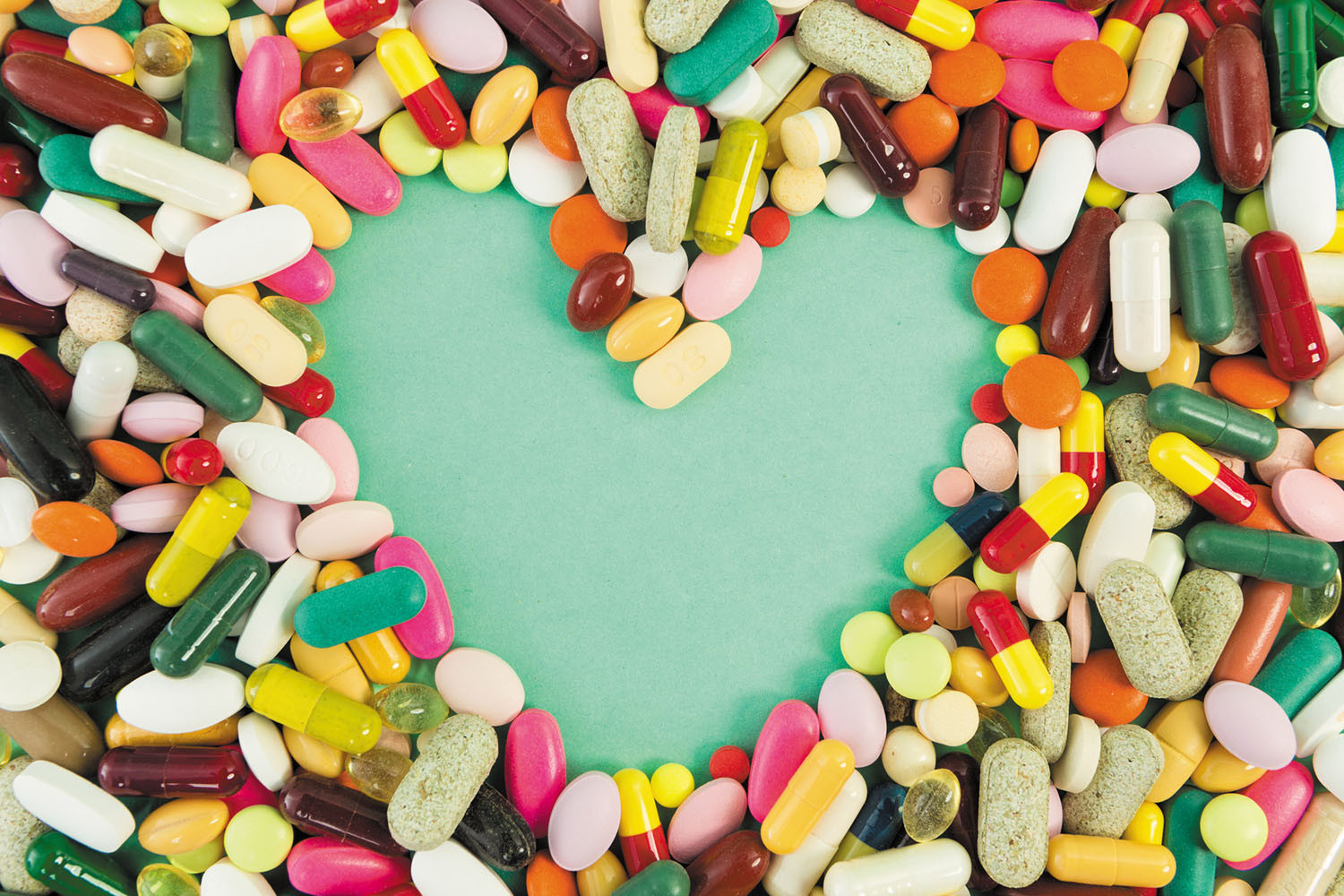
Taking a multivitamin probably won’t help your heart
Vitamins don't seem to reduce cardiovascular risks, according to a new report.
Image: © Thunderstock/Getty Images
There may be reasons to take a multivitamin, but improving your cardiovascular health is not one of them, says a report in the July 10 issue of Circulation: Cardiovascular Quality and Outcomes. The authors found that for the average person, taking a multivitamin supplement didn't help prevent cardiovascular problems, such as heart attacks and strokes.
The findings were based on a review of general population studies conducted from 1970 to 2016, involving more than two million people. Researchers looked for associations between multivitamin supplementation and cardiovascular outcomes. But they weren't able to find any links.

Don't fall for these skin myths
Think you know a lot about skin and skin care? You might be surprised at how much "common knowledge" about keeping your skin clear and healthy is simply not true.
Here, we debunk 10 common myths about skin.
1. The right skin cream can keep your skin looking young.

A new app can help you chose herbal supplements wisely
Research we're watching
Wondering if that herb or herbal supplement is safe and effective? A new app can tell you. The National Center for Complementary and Integrative Health has introduced a new app called HerbList, which provides research-based information on various herbal products.
The app, which is available free on the Apple App store and Google Play store, is designed to give consumers important details on the safety and effectiveness of some of the most popular herbs and herbal supplements. While marketers may claim these products bring health benefits and are safe, that might not always be the case. This app can help you sort through the claims to determine what's real — and what's not.
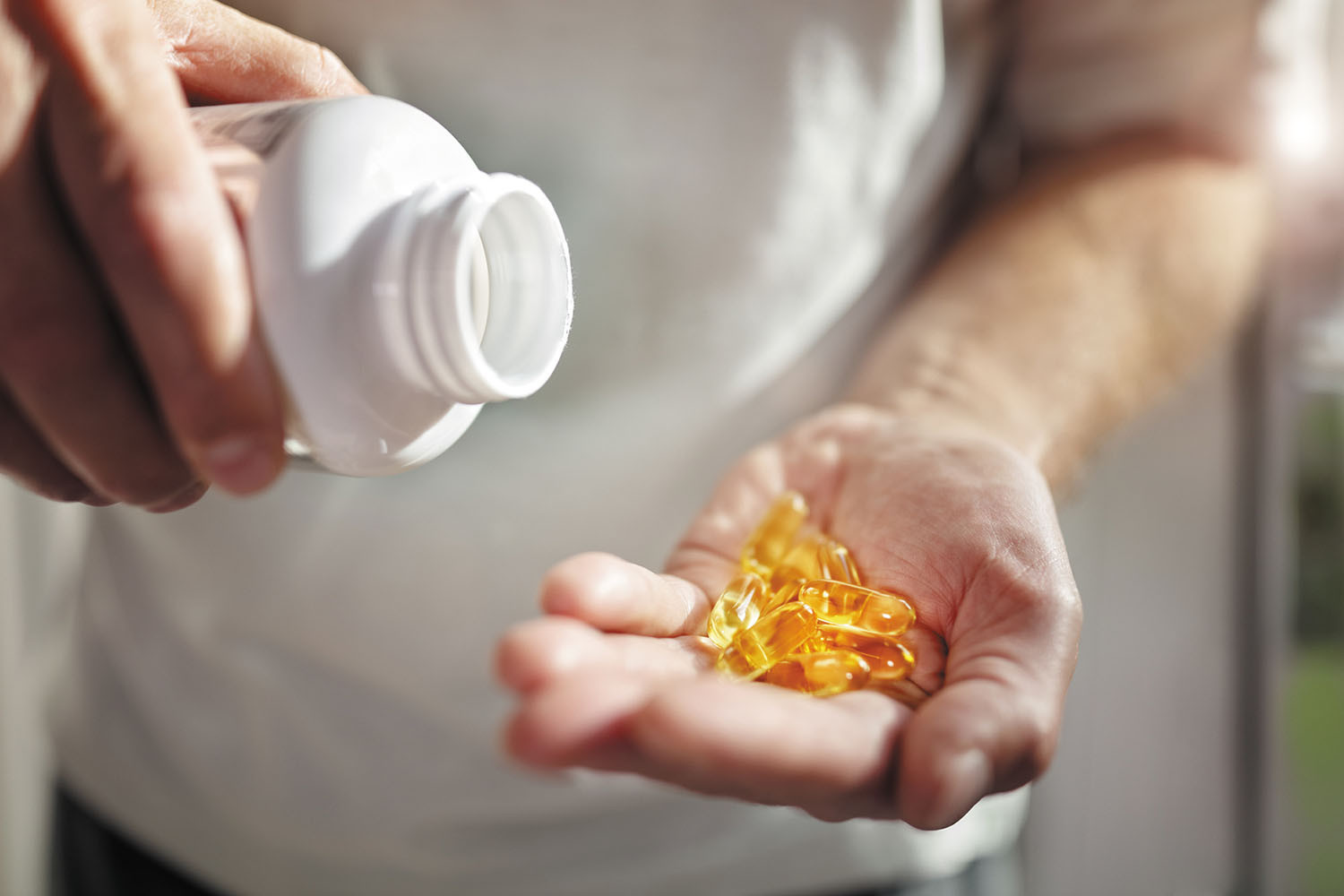
Are there any health benefits to fish oil?
On call
Image: © BrianAJackson/Getty Images
Q. I take fish oil supplements for heart health, but now I hear they aren't helpful. What's the truth?
A. Fish intake remains an important part of a healthy diet, but the enthusiasm for fish oil supplements has been dampened by several recent studies that showed no benefit for a variety of conditions.

Sunscreen in a pill?
Research we're watching
The FDA is warning consumers not to buy in to the idea that a pill can protect your skin from the sun.
In a statement issued May 22, FDA officials said they've found companies selling pills that are labeled as dietary supplements and that claim to protect skin from the sun.

Higher vitamin D levels linked to lower risk for diabetes
News briefs
Vitamin D is an essential vitamin; low levels are associated with poor bone and muscle health and other chronic conditions, such as heart disease and cancer. Now, a study published online April 19, 2018, by PLOS One has tied higher vitamin D levels to a lower diabetes risk. Researchers followed 900 older adults (average age 74) for 12 years, checking their vitamin D and blood sugar levels during clinic visits. Compared with people whose blood levels of vitamin D were below 30 nanograms per milliliter (ng/ml), people with vitamin D levels of 30 ng/ml or more had one-third the risk for developing diabetes, and people whose D levels were 50 ng/ml or more had one-fifth the risk. This study does not prove that taking vitamin D supplements to raise blood levels of vitamin D would reduce the risk of diabetes, although that is possible. The Institute of Medicine maintains that a blood level of 20 ng/ml or higher is sufficient for 97% of the population. Other authorities think that levels higher than 20 ng/ml are better for health. Large studies are under way to help resolve these differences of opinion.
Image: © cegli | GettyImages
People who walk more or walk faster live longer, study finds
Rosacea treatments: What works?
For sleep apnea, a dental device may be as effective as CPAP
Carb cycling: What is it, and does it work?
Understanding orthorexia: Have your healthy eating goals gone too far?
Melatonin or magnesium: Can either supplement help you sleep?
Salmonella, E. coli, Cyclospora, and other germs that cause food poisoning: What you need to know
Naturally gluten-free foods
Harvard study: Healthier fats linked to longer life after prostate cancer diagnosis
Shingrix shingles vaccine linked with lower heart disease risks
Free Healthbeat Signup
Get the latest in health news delivered to your inbox!
Sign Up
