

People who walk more or walk faster live longer, study finds

Rosacea treatments: What works?

For sleep apnea, a dental device may be as effective as CPAP

Carb cycling: What is it, and does it work?

Understanding orthorexia: Have your healthy eating goals gone too far?

Melatonin or magnesium: Can either supplement help you sleep?

Salmonella, E. coli, Cyclospora, and other germs that cause food poisoning: What you need to know

Naturally gluten-free foods

Harvard study: Healthier fats linked to longer life after prostate cancer diagnosis

Shingrix shingles vaccine linked with lower heart disease risks
Vitamins, minerals, herbs, and supplements Archive
Articles
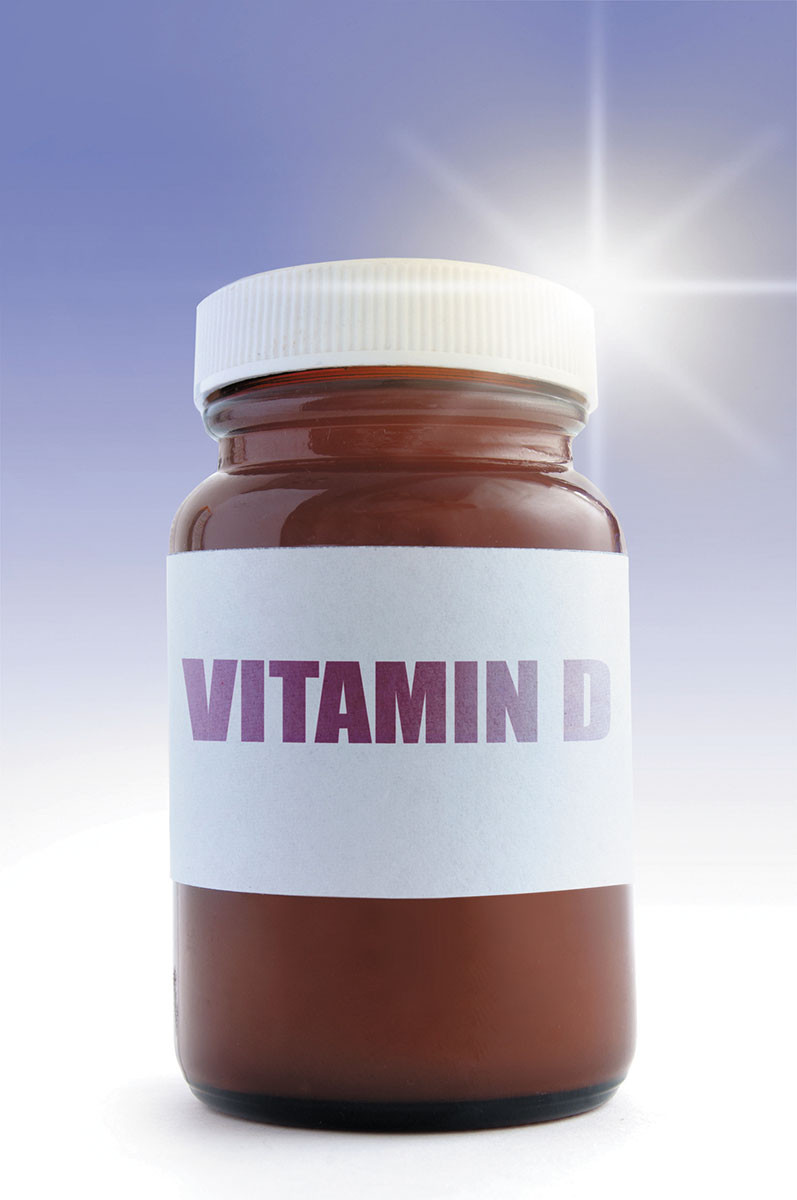
Enough vitamin D may protect against some cancers
In the journals
Having a low blood level of vitamin D may be linked to a higher risk of developing some cancers, suggests a study published online March 7, 2018, by The BMJ. However, taking extra vitamin D to raise already normal levels does not appear to offer more protection.
Vitamin D is made by the skin from sunlight exposure and can also be obtained through fortified foods like cereal and milk, as well as from supplements. Researchers analyzed data from the Japan Public Health Center–based Prospective Study, involving 33,736 people ages 40 to 69. The people gave blood samples and were classed into four groups, ranging from the lowest to highest levels of vitamin D. They were then monitored for an average of 16 years, during which time 3,301 new cases of cancer were recorded among the participants.

Managing your medications before a medical procedure
You may need to stop taking blood thinners, certain painkillers, herbs, and supplements to reduce your risk for bleeding.
Image: © Steve Debenport/Getty Images
No one wants to have surgery, even minor surgery, but sometimes minor procedures, such as a tooth extraction or a colonoscopy, are unavoidable. When that happens, you may hear that it's important to stop taking certain medications. Understanding exactly which drugs to suspend — and when — can be confusing. "I get a lot of questions about this," says Joanne Doyle Petrongolo, a pharmacist at Harvard-affiliated Massachusetts General Hospital.
Blood thinners
All surgery involves cutting body tissue, and that leads to bleeding. Blood thinners—medications like anticoagulants and antiplatelet drugs—can boost the risk for bleeding by keeping the blood from clotting.

By the way, doctor: Ginkgo biloba: What's the verdict?
Q: A friend recently recommended that I take the herb ginkgo biloba to protect against getting dementia. Is it effective, and is it safe?
A: The first thing you should consider is that the FDA doesn't regulate the manufacture of any herbal remedy, so the purity and potency of the ginkgo biloba you buy hasn't been checked.

Omega-3 supplements might offer little help against heart attacks
In the journals
Taking a daily omega-3 fatty acid supplement might not reduce your chance of heart attacks or strokes if you already have heart disease or are at high risk for it, suggests a meta-analysis published online Jan. 31, 2018, by JAMA Cardiology.
The researchers compared 10 trials that included almost 78,000 people, approximately 47,000 of whom were men, with an average age of 64. Each trial involved at least 500 people who took daily doses of either an omega-3 fatty acid supplement or a placebo for at least a year. All participants had heart disease, had experienced a stroke, or were at high risk for these conditions.

Can vitamin K supplements help protect against heart disease?
On call
Q. I have read that vitamin K supplements can help prevent heart disease. Should I take them?
A. Vitamin K — which is found in high levels in green leafy vegetables like spinach, kale, and romaine lettuce — plays a role in helping the body make blood clotting proteins. Although some observational studies have suggested a heart benefit from diets high in vitamin K, studies of supplements have not shown a protective effect.


What are the best calcium sources for people who are lactose intolerant?
On call
Image: © Svetl/Thinkstock
Q. How can I get my daily requirement for calcium if I am lactose intolerant?
A. We usually associate high-calcium foods with dairy products, like milk, cheese, and yogurt. If you cannot tolerate these foods from a digestive standpoint, you can still meet your calcium requirement by increasing your consumption of certain green leafy vegetables and calcium-fortified foods.
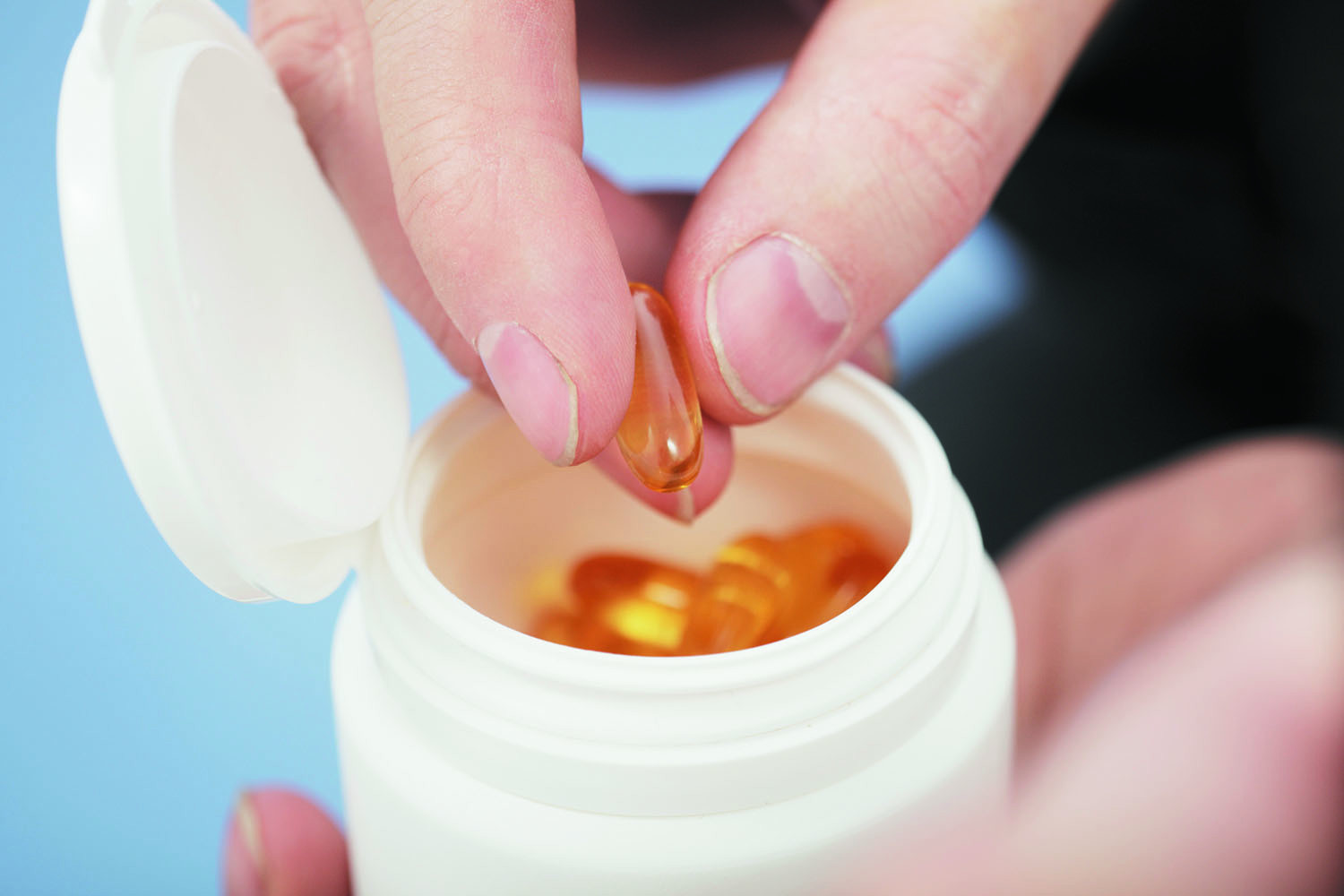
Should you consider taking a fish oil supplement?
The net benefit of these popular supplements is very limited.
Image: © stocksnapper/Thinkstock
Millions of Americans swallow an amber-colored capsule of fish oil each day, lured by its alleged health benefits. In the supplement aisle of most pharmacies, supermarkets, and big-box stores, the shelves are crowded with different brands of fish oil supplements (see "Fish oil: A brief history"). Many tout benefits for the heart. In fact, the label of one popular brand includes the phrase "May reduce coronary heart disease risk."
But those bold marketing claims haven't caught up with the latest science. Earlier this year, the American Heart Association (AHA) issued an updated advisory about fish oil supplements and their cardiovascular benefits. Their verdict: Fish oil supplements may slightly lower the risk of dying of heart failure or after a recent heart attack. But they do not prevent heart disease. (A separate AHA advisory about fish consumption is slated for release in 2018.)

Heart failure and potassium
Your body depends on the mineral potassium for many bodily functions, including keeping control of the electrical balance of your heart, metabolizing carbohydrates, and building muscle.
Low potassium levels can cause muscle weakness and heartbeat irregularities. On the other hand, too much potassium can cause your heart to stop.
B vitamins may raise risk of lung cancer in men who smoke
In the journals
Smoking causes lung cancer — no surprise there. But a new study found that high dosages of vitamin B6 or B12 supplements were associated with three to four times the lung cancer risk in male smokers compared with smokers who did not take the supplements. The results were published in the Aug. 22, 2017, Journal of Clinical Oncology.
Researchers examined information from more than 44,000 men ages 50 to 76. At enrollment, the men reported on their smoking history and their B vitamin supplement use over the previous 10 years. In the study, high intake of B vitamin was classified as 20 milligrams (mg) of B6 per day or 55 micrograms (mcg) of B12. (The recommended daily intakes for men ages 51 and older are 1.7 mg for B6 and 2.4 mcg for B12.)
People who walk more or walk faster live longer, study finds
Rosacea treatments: What works?
For sleep apnea, a dental device may be as effective as CPAP
Carb cycling: What is it, and does it work?
Understanding orthorexia: Have your healthy eating goals gone too far?
Melatonin or magnesium: Can either supplement help you sleep?
Salmonella, E. coli, Cyclospora, and other germs that cause food poisoning: What you need to know
Naturally gluten-free foods
Harvard study: Healthier fats linked to longer life after prostate cancer diagnosis
Shingrix shingles vaccine linked with lower heart disease risks
Free Healthbeat Signup
Get the latest in health news delivered to your inbox!
Sign Up
