

People who walk more or walk faster live longer, study finds

Rosacea treatments: What works?

For sleep apnea, a dental device may be as effective as CPAP

Carb cycling: What is it, and does it work?

Understanding orthorexia: Have your healthy eating goals gone too far?

Melatonin or magnesium: Can either supplement help you sleep?

Salmonella, E. coli, Cyclospora, and other germs that cause food poisoning: What you need to know

Naturally gluten-free foods

Harvard study: Healthier fats linked to longer life after prostate cancer diagnosis

Shingrix shingles vaccine linked with lower heart disease risks
Vitamins, minerals, herbs, and supplements Archive
Articles

Key minerals to help control blood pressure
It's usually best to get calcium, magnesium, and potassium from food. Are you getting enough?
A healthy, balanced diet plays a major role in blood pressure control. And you should consume some specific minerals on a regular basis for good blood pressure management: calcium, magnesium, and potassium. But do most of us get enough of these? "If you're eating a healthy diet, you probably have nothing to worry about. But people eating a diet of processed and canned foods or taking certain medications might not be getting enough of these micronutrients," says Dr. Randall Zusman, director of the Division of Hypertension at the Massachusetts General Hospital Heart Center.
1/2 cup canned white | 3 ounces of cooked | 1/2 cup cooked spinach: 419 mg potassium, 78 mg of magnesium, and 146 mg of calcium. |

Do omega-3s protect your thinking skills?
It may be helpful to eat a diet rich in omega-3 fatty acids.
Image: Elena_Danileiko/Thinkstock
Maybe you're hoping to protect your thinking skills by eating oily fish like salmon or taking a daily fish oil supplement. After all, the media frequently talk about the benefits of omega-3 fatty acids in fish oil, and sales of fish oil supplements are more than $1 billion per year in the United States. But can fish oil keep us thinking clearly? "For people who are healthy, who don't have a decline in memory and thinking skills, the question of prevention has not yet been answered," Dr. Scott McGinnis, an assistant professor in neurology at Harvard Medical School, explains.
About omega-3s
Omega-3 fatty acids are polyunsaturated fats in food that are essential for health. There are three main types:

Ask the doctor: Is vinegar good for the arteries?
Q. I've heard that apple cider vinegar can clean out the arteries. Is there any truth to that?
A. If you believe the stories written about apple cider vinegar, it is a miracle cure for just about anything that ails you, from curbing the appetite to detoxifying the body, boosting the immune system, treating arthritis, and improving circulation. That's a tall order for a brew made from fermented apples. But there's no evidence to back up most of these apple cider vinegar claims.

Should you be taking an omega-3 supplement?
The answer to that question is becoming clearer, thanks to new research.
Some 10% of American adults regularly take an omega-3 supplement, despite uncertainty about whether these products truly live up to their health claims. But two new studies published in November 2018 shed some light on who might benefit from omega-3 supplements — and who probably won't.
VITAL
The first study was the Vitamin D and Omega-3 Trial (VITAL), a large multiyear study with 25,871 healthy adults with no history of cardiovascular (heart or blood vessel–related) disease and at "usual risk" for it. The group was racially diverse and chosen to be representative of the general population, says the study's lead author Dr. JoAnn E. Manson, professor of medicine and the Michael and Lee Bell Professor of Women's Health at Harvard Medical School.


Fish oil and vitamin D supplements might offer some health benefits
In the journals
Vitamin D and omega-3 fatty acid supplements have had mixed results when it comes to preventing heart attacks, strokes, and cancer in people who have already developed these problems or are at high risk for them. Yet a new study published online Nov. 10, 2018, by The New England Journal of Medicine found they may actually prevent these conditions among people who have never had these problems before.
Researchers recruited almost 26,000 people, ages 50 and older, who had no history of heart disease or cancer. The participants were divided into four groups. People in one group were given daily doses of 2,000 international units of vitamin D (an amount found to be linked to lower disease risk in observational studies) and 1 gram of a drug called Lovaza, which contained 840 milligrams of omega-3s (two to four times the amount in two servings of fish per week). The second group took vitamin D and a placebo, the third group took the omega-3s and a placebo, and the final group took two placebos. After more than five years, the researchers found that those given omega-3s were 28% less likely to suffer a heart attack compared with those given a placebo. Those who ate fewer servings of fish (less than the average of 1.5 servings per week) appeared to have a greater benefit from the additional omega-3s while those with higher fish intake had minimal benefit.
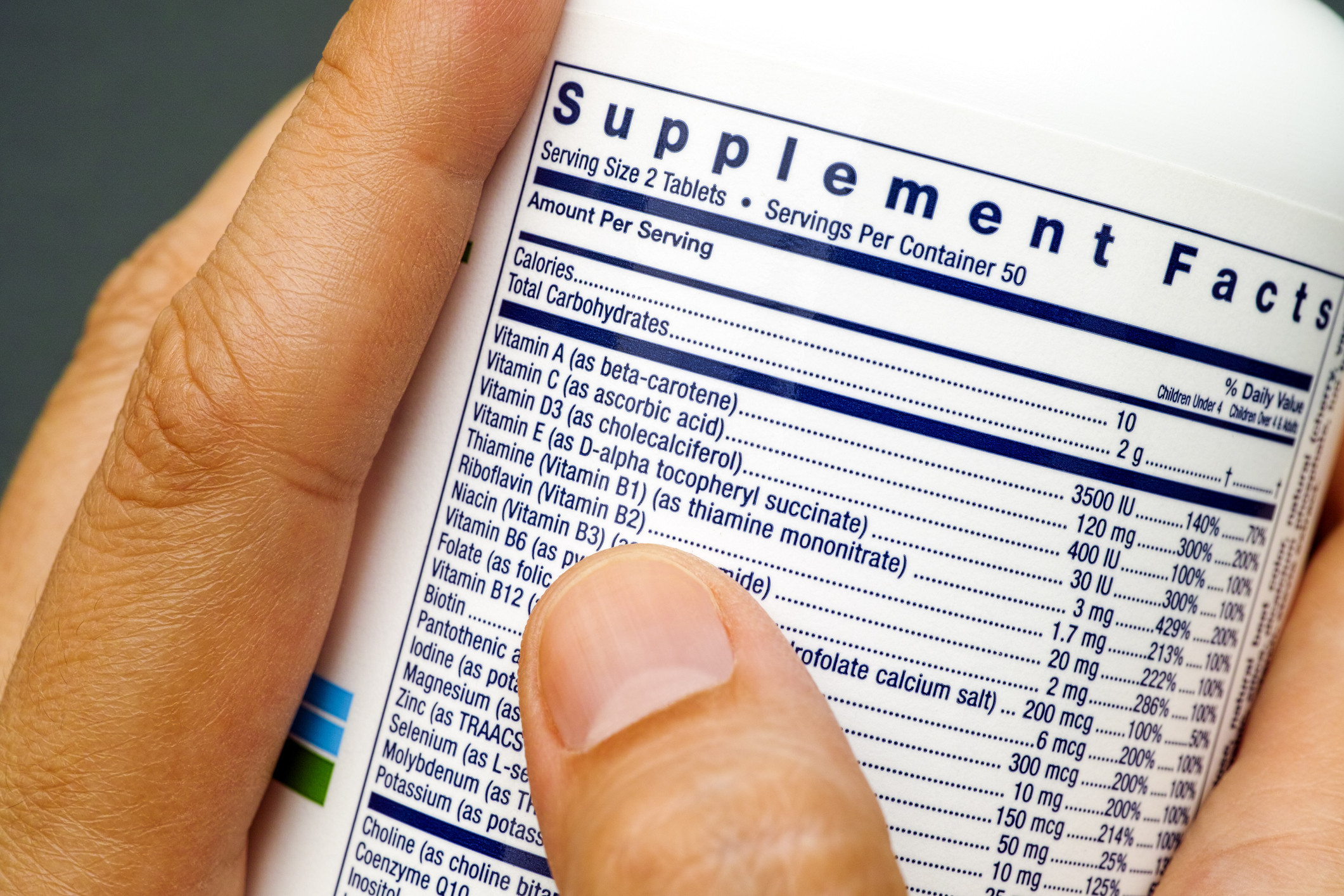
What’s in your supplements?
Millions of Americans take some kind of supplement, but because supplements are not regulated like prescription drugs are, taking one is not always safe. Researchers have found many instances of hidden ingredients and inaccurate quantities listed on the label.
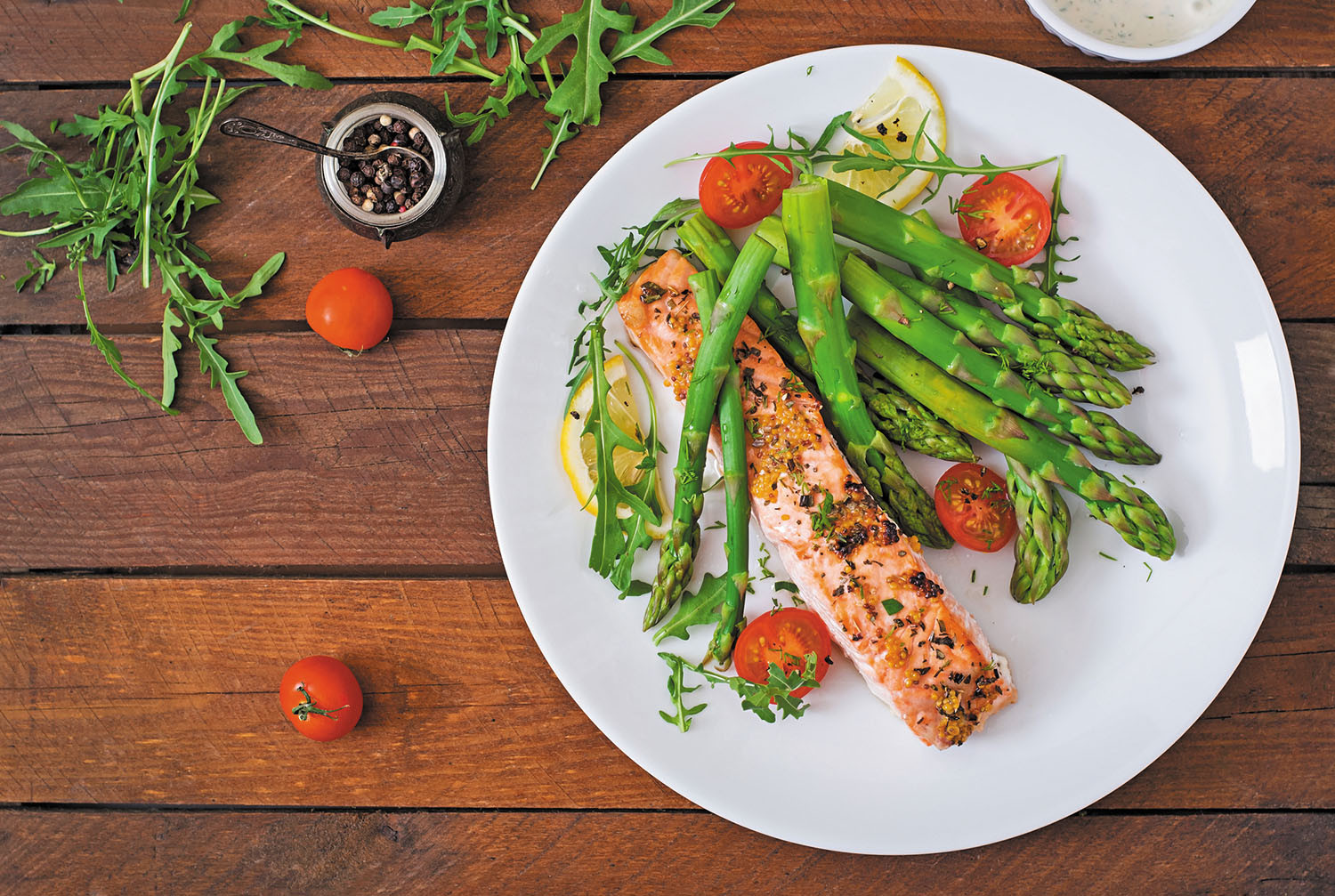
Can fish oil stave off heart disease?
Ask the doctor
Image: © Elena_Danileiko/Getty Images
Q. I'm taking fish oil supplements to keep me from getting heart disease, because my doctor said they may help, though it's controversial. I hear new studies come to different conclusions. What's the truth?
A. In these pages, the best we can promise you is a balanced assessment of sometimes different study results: the "truth" usually is elusive. Your question likely was prompted by two important new studies published in November 2018, and they do seem to point in different directions. I'll do my best to give you my current "bottom line" and resolve the confusion. I reserve the right to change my mind as new studies are reported.
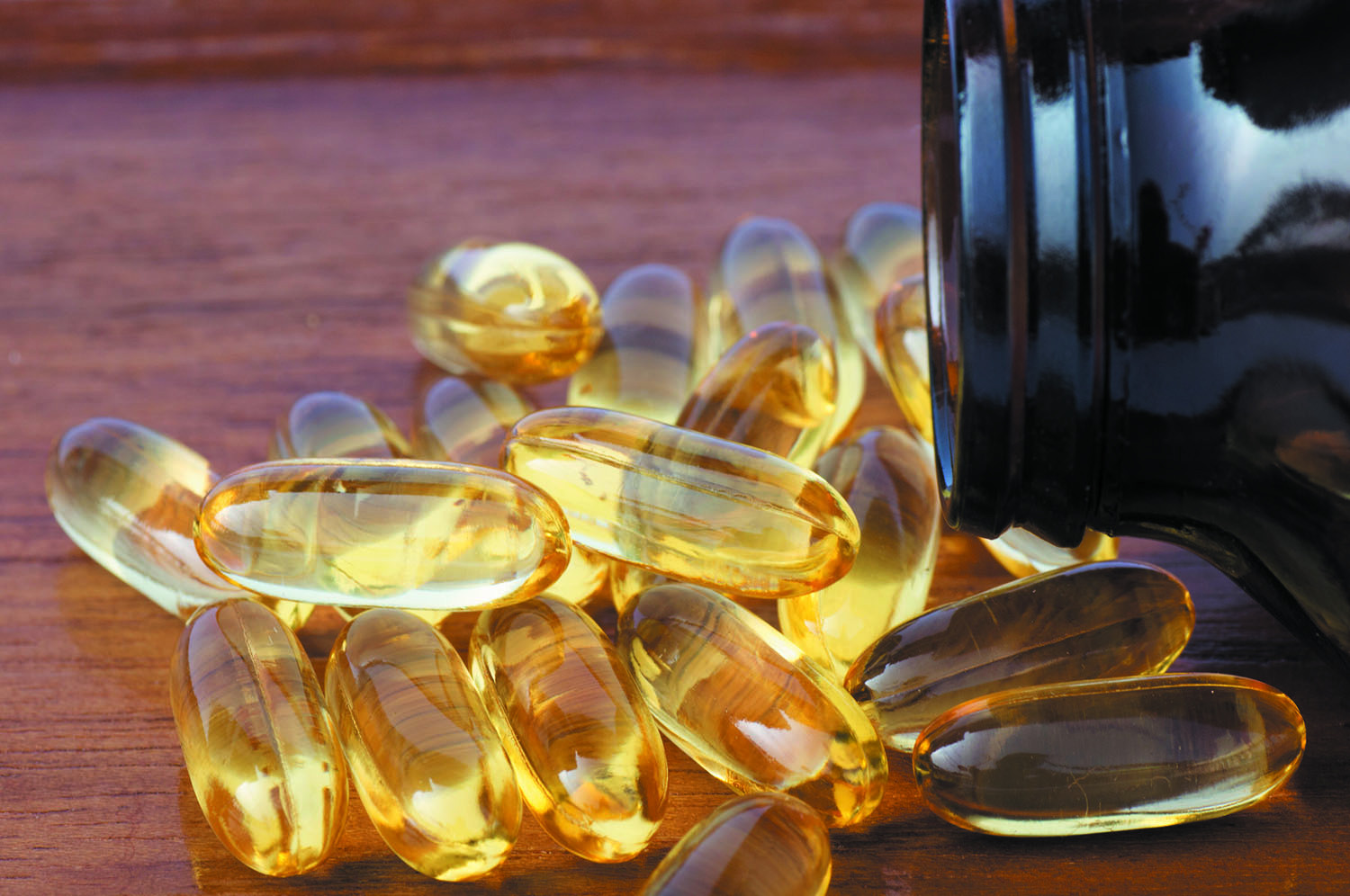
Vitamin D and omega-3 fatty acids supplements fall short when it comes to disease prevention
Image: © Hunterann/Thinkstock
Research we're watching
For years, many have speculated that taking vitamin D and omega-3 fatty acid supplements might help to prevent heart attacks, strokes, and certain cancers. But a study by Harvard researchers published online November 10, 2018, by The New England Journal of Medicine has found that the benefits may be more limited than originally hoped.
The results of the Vitamin D and Omega-3 Trial (VITAL), which enrolled more than 25,000 people and ran for more than five years, showed that while omega-3 supplements did appear to reduce the risk of heart attack, particularly among African Americans, they did not appear to be effective in preventing stroke or cancer. Vitamin D supplements also saw few benefits when it came to preventing heart attack, stroke, or cancer — but they were associated with a drop in cancer deaths in people who had taken the supplements for at least a year or two.

People who walk more or walk faster live longer, study finds
Rosacea treatments: What works?
For sleep apnea, a dental device may be as effective as CPAP
Carb cycling: What is it, and does it work?
Understanding orthorexia: Have your healthy eating goals gone too far?
Melatonin or magnesium: Can either supplement help you sleep?
Salmonella, E. coli, Cyclospora, and other germs that cause food poisoning: What you need to know
Naturally gluten-free foods
Harvard study: Healthier fats linked to longer life after prostate cancer diagnosis
Shingrix shingles vaccine linked with lower heart disease risks
Free Healthbeat Signup
Get the latest in health news delivered to your inbox!
Sign Up
