

People who walk more or walk faster live longer, study finds

Rosacea treatments: What works?

For sleep apnea, a dental device may be as effective as CPAP

Carb cycling: What is it, and does it work?

Understanding orthorexia: Have your healthy eating goals gone too far?

Melatonin or magnesium: Can either supplement help you sleep?

Salmonella, E. coli, Cyclospora, and other germs that cause food poisoning: What you need to know

Naturally gluten-free foods

Harvard study: Healthier fats linked to longer life after prostate cancer diagnosis

Shingrix shingles vaccine linked with lower heart disease risks
Vitamins, minerals, herbs, and supplements Archive
Articles
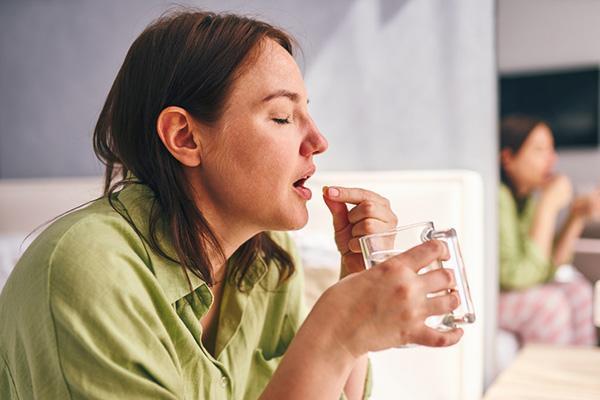
Is 5-HTP safe to take as a mood supplement??
5-HTP is often promoted for mood support, but its effects, side effects, and place among depression treatments deserve careful consideration.

What is cholestasis and how is it treated?
A bile flow problem can cause noticeable changes in the skin, urine, stools, and comfort, with treatment depending on the underlying cause.
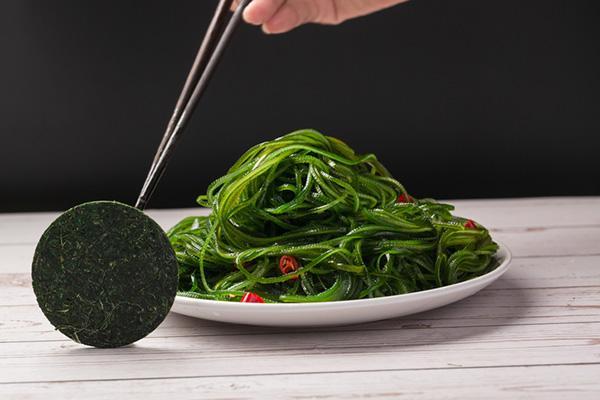
What should people with thyroid nodules know about kelp?
Kelp contains a nutrient that affects thyroid function, making supplement choices important for people with nodules or other thyroid concerns.
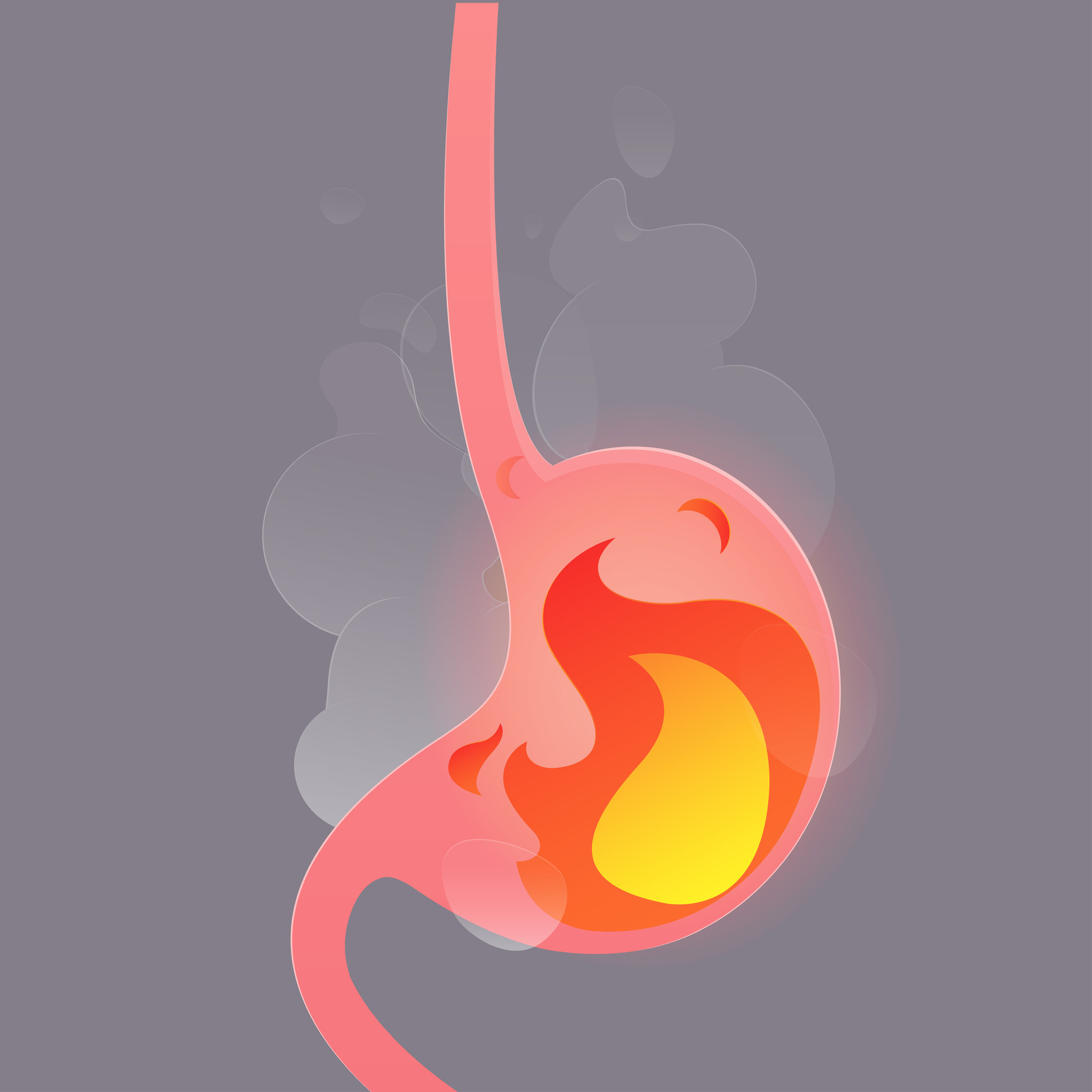
Can digestive enzyme supplements help relieve my heartburn?
A digestive enzyme supplement can be helpful for people who have difficulty digesting certain foods, but taking one to treat a condition such as heartburn may or may not provide any relief.

What can cause a red, tingling tongue?
A red, tingling tongue can have several possible triggers, from everyday irritants to health conditions that may need medical attention.
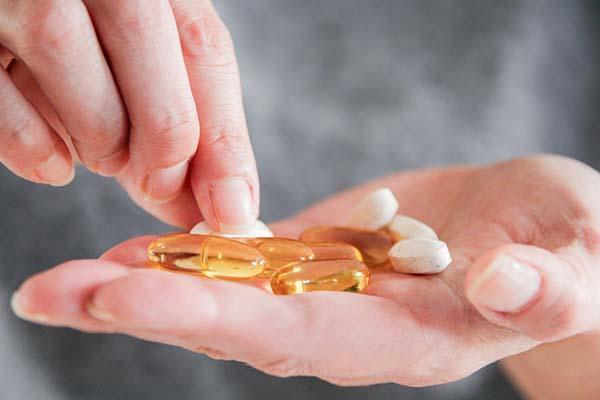
Could having both low vitamin B12 and vitamin D indicate a specific health problem?
Having low vitamin B12 and vitamin D may have several explanations, from diet and sun exposure to conditions that affect nutrient absorption.
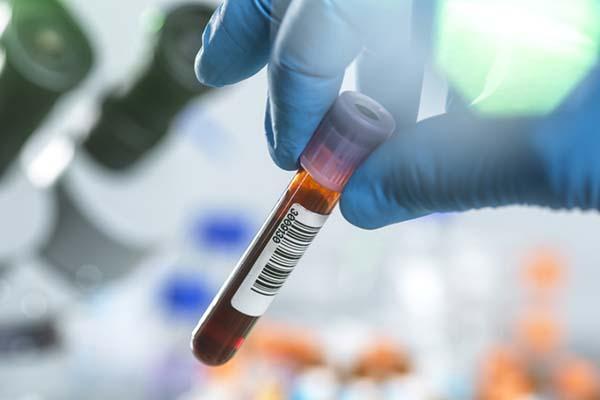
What can cause enlarged red blood cells?
Enlarged red blood cells on a routine blood test can have several explanations. Find out what your results may mean and when follow-up is needed.

Ashwagandha: Benefits, side effects, and safety concerns
Ashwagandha is an herbal remedy that has long been used in traditional Indian medicine. In recent years, it’s also become popular in the United States. Proponents say it can help with stress and promote better sleep. However, we have only limited scientific evidence about ashwagandha, and it may not be safe for people with certain medical conditions.
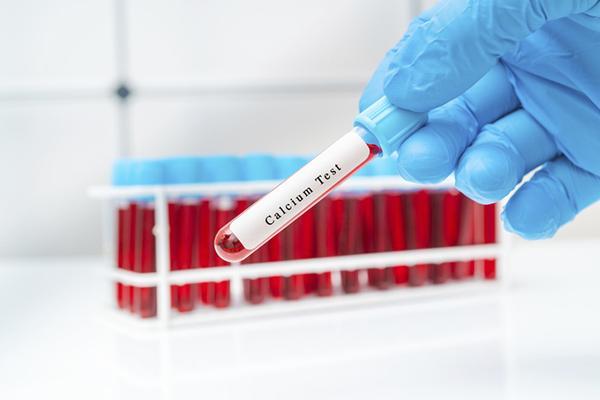
Is it dangerous to have a high calcium level?
A high calcium result often turns up on a routine lab test. Possible causes range from overactive parathyroid glands to excess vitamin D.
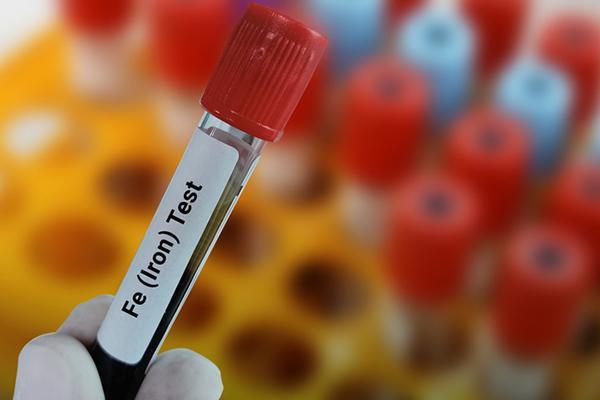
What does it mean if I have a high level of iron in my blood?
Elevated blood iron can result from supplements, genetic disorders, liver disease, or transfusions. Learn what doctors check next and common ways to reduce it.
People who walk more or walk faster live longer, study finds
Rosacea treatments: What works?
For sleep apnea, a dental device may be as effective as CPAP
Carb cycling: What is it, and does it work?
Understanding orthorexia: Have your healthy eating goals gone too far?
Melatonin or magnesium: Can either supplement help you sleep?
Salmonella, E. coli, Cyclospora, and other germs that cause food poisoning: What you need to know
Naturally gluten-free foods
Harvard study: Healthier fats linked to longer life after prostate cancer diagnosis
Shingrix shingles vaccine linked with lower heart disease risks
Free Healthbeat Signup
Get the latest in health news delivered to your inbox!
Sign Up
