

People who walk more or walk faster live longer, study finds

Rosacea treatments: What works?

For sleep apnea, a dental device may be as effective as CPAP

Carb cycling: What is it, and does it work?

Understanding orthorexia: Have your healthy eating goals gone too far?

Melatonin or magnesium: Can either supplement help you sleep?

Salmonella, E. coli, Cyclospora, and other germs that cause food poisoning: What you need to know

Naturally gluten-free foods

Harvard study: Healthier fats linked to longer life after prostate cancer diagnosis

Shingrix shingles vaccine linked with lower heart disease risks
Vitamins, minerals, herbs, and supplements Archive
Articles
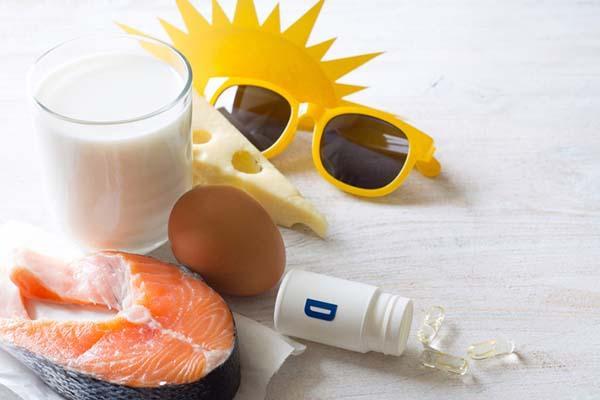
Low vitamin D may raise risk for respiratory infections
A 2026 study found that low vitamin D levels may increase the risk of hospitalization for respiratory infections (such as colds, flu, pneumonia, and bronchitis) by as much as 33%. Sunlight, foods containing vitamin D, and supplements help maintain healthy vitamin D levels.
Will lithium supplements be used to fight Alzheimer's one day?
A 2025 study suggests that very low levels of lithium in the brain might be linked to Alzheimer's disease. In mice, certain lithium supplements seemed to protect memory and the brain. But scientists don't yet know if lithium pills are safe or helpful for people.

Can vitamins and natural supplements help prevent frequent headaches?
Some vitamins and supplements show limited benefit for certain types of headache. Good sleep habits, stress reduction, and other lifestyle changes can also help.
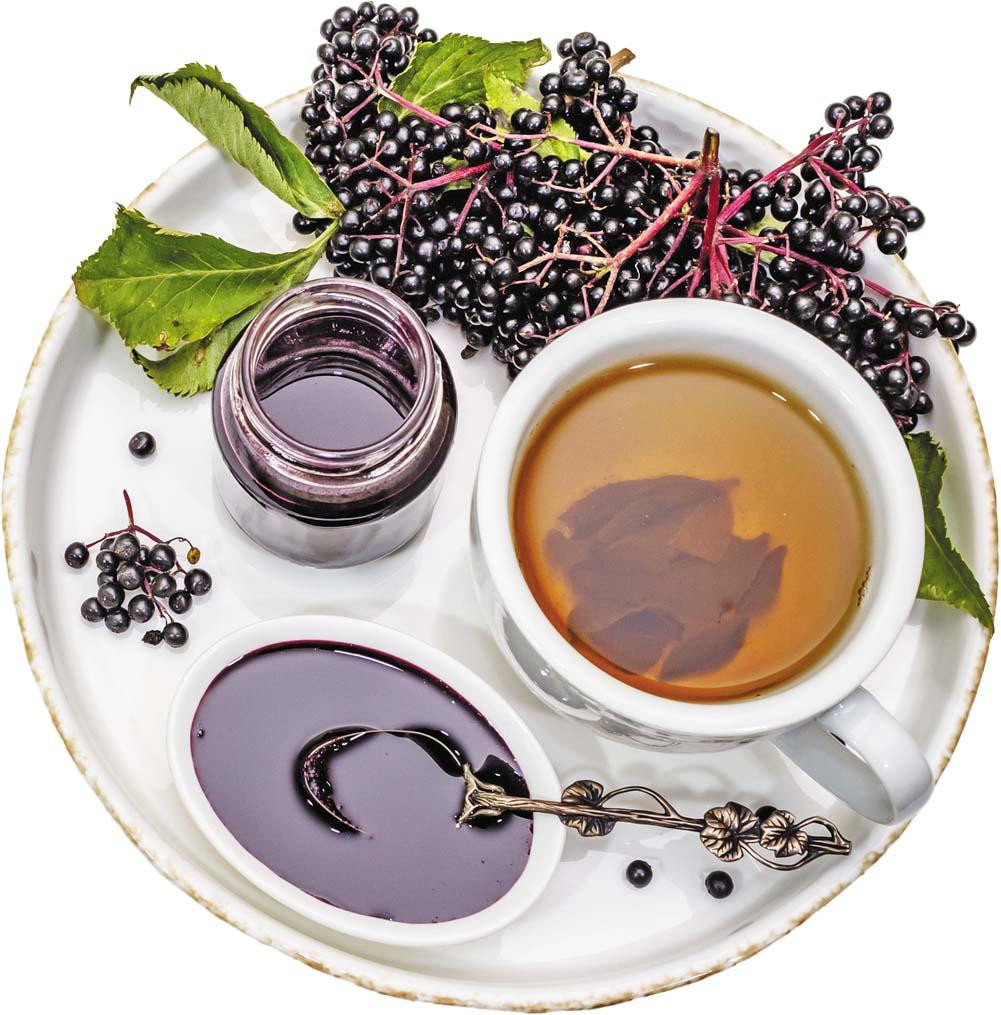
The health benefits of elderberry
Elderberry syrup or tea may help reduce the duration and severity of cold and flu symptoms, but the evidence for these benefits is uncertain. Claims that elderberry products can prevent viral infections or boost immunity are unproven.

Can saw palmetto treat an enlarged prostate?
Saw palmetto is a popular "natural" choice for urinary symptoms from an enlarged prostate, but high-quality studies show little or no real benefit. Men are urged to talk with a doctor first, both to rule out serious causes and avoid misplaced hope.
These hormone supplements are popular - but are they safe?
Synthetic dehydroepiandrosterone (DHEA) is available in various forms, including tablets, capsules, powders, creams, and gels. The supplement is marketed for "fountain of youth" effects, but evidence about its actual effects is mixed.
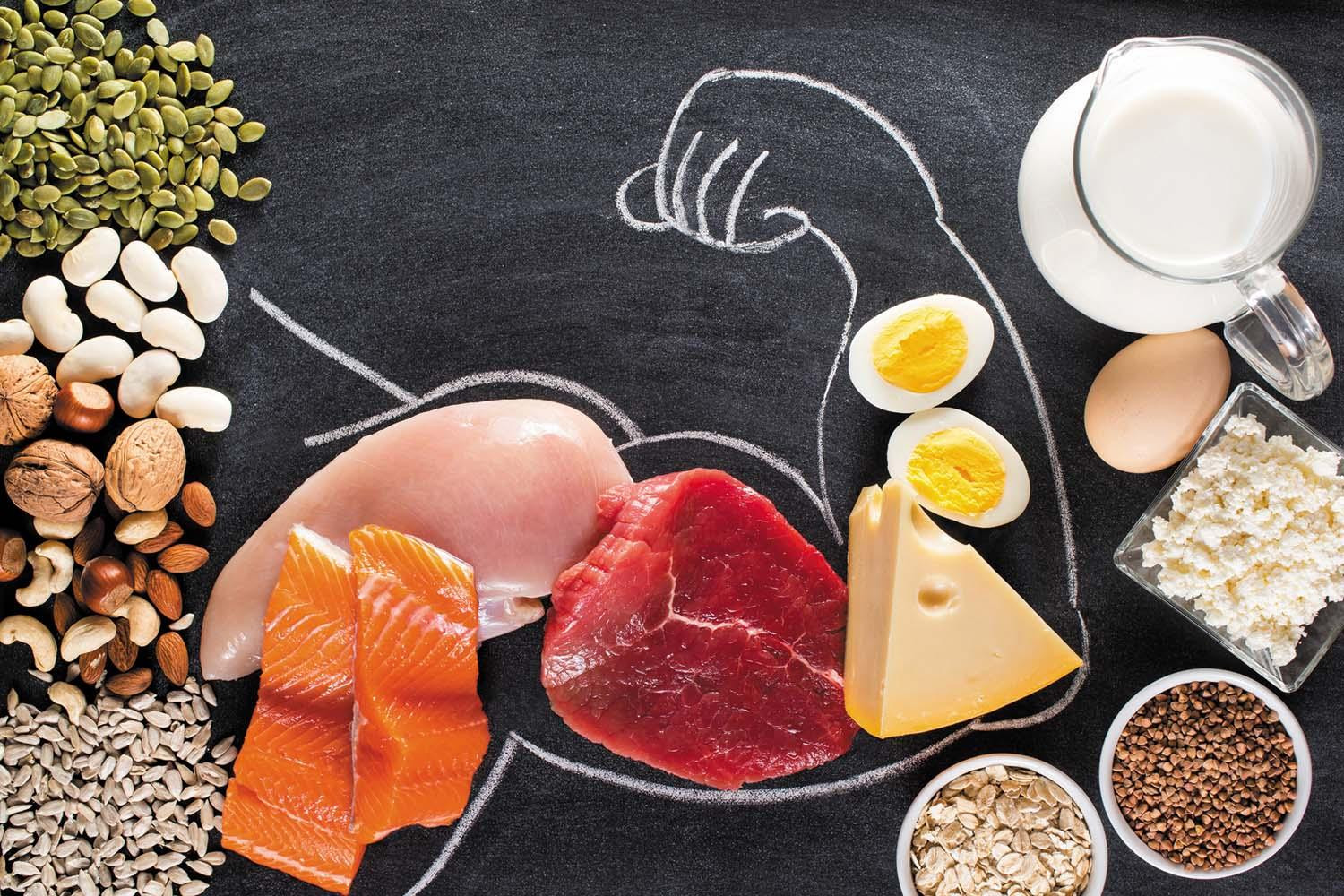
Maximize your muscle defense: Protein is key to protection
Muscle loss is common after middle age. To counter muscle loss, it's essential to strength train regularly and consume lots of protein. Whole foods are the best sources of protein, but protein supplements might also be used.
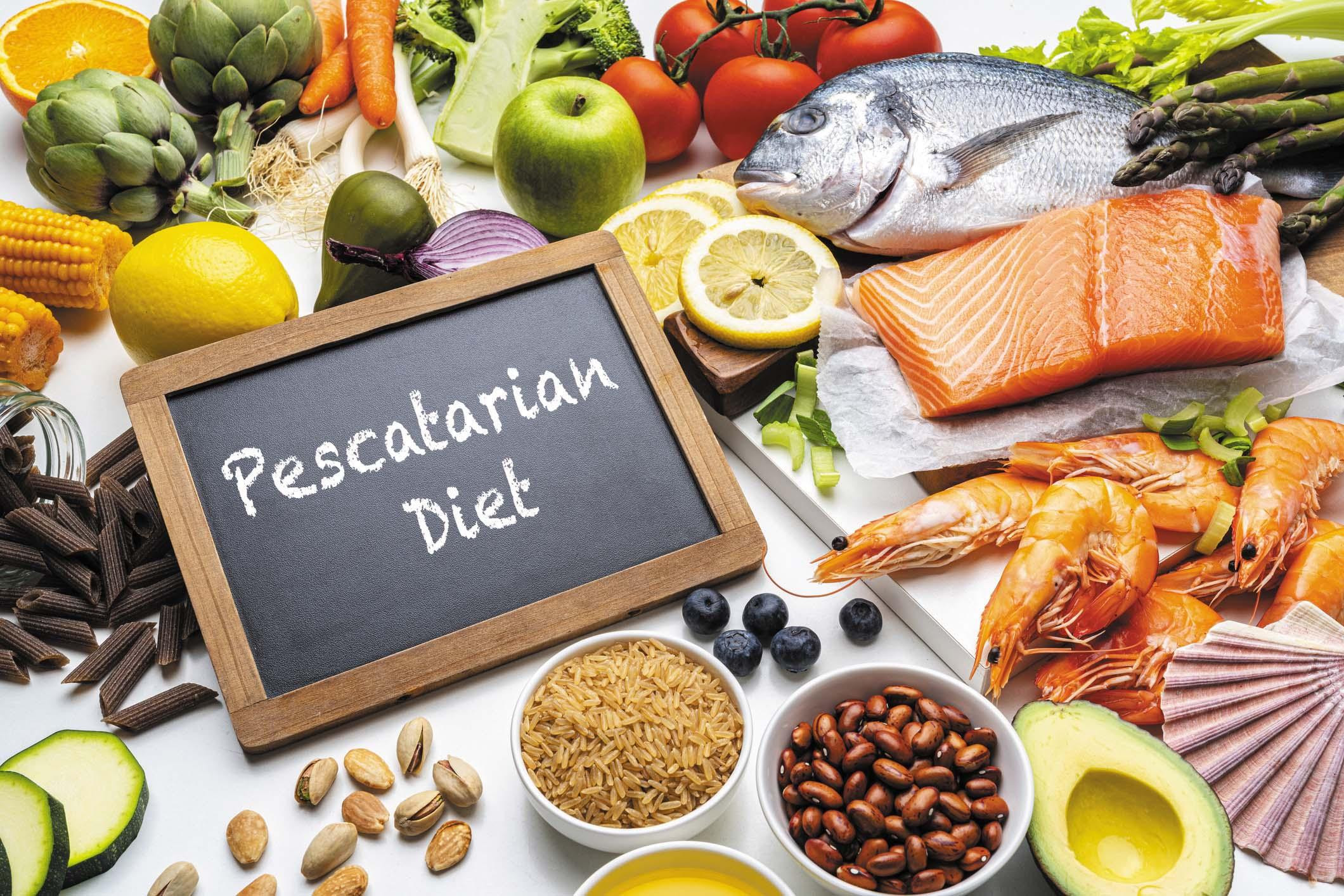
Go fish for a healthy heart
A pescatarian diet pairs plant-based eating with fish and shellfish, offering key nutrients and heart- and brain-protective omega-3s. Choosing smaller, sustainably caught seafood helps limit environmental impact and mercury exposure.
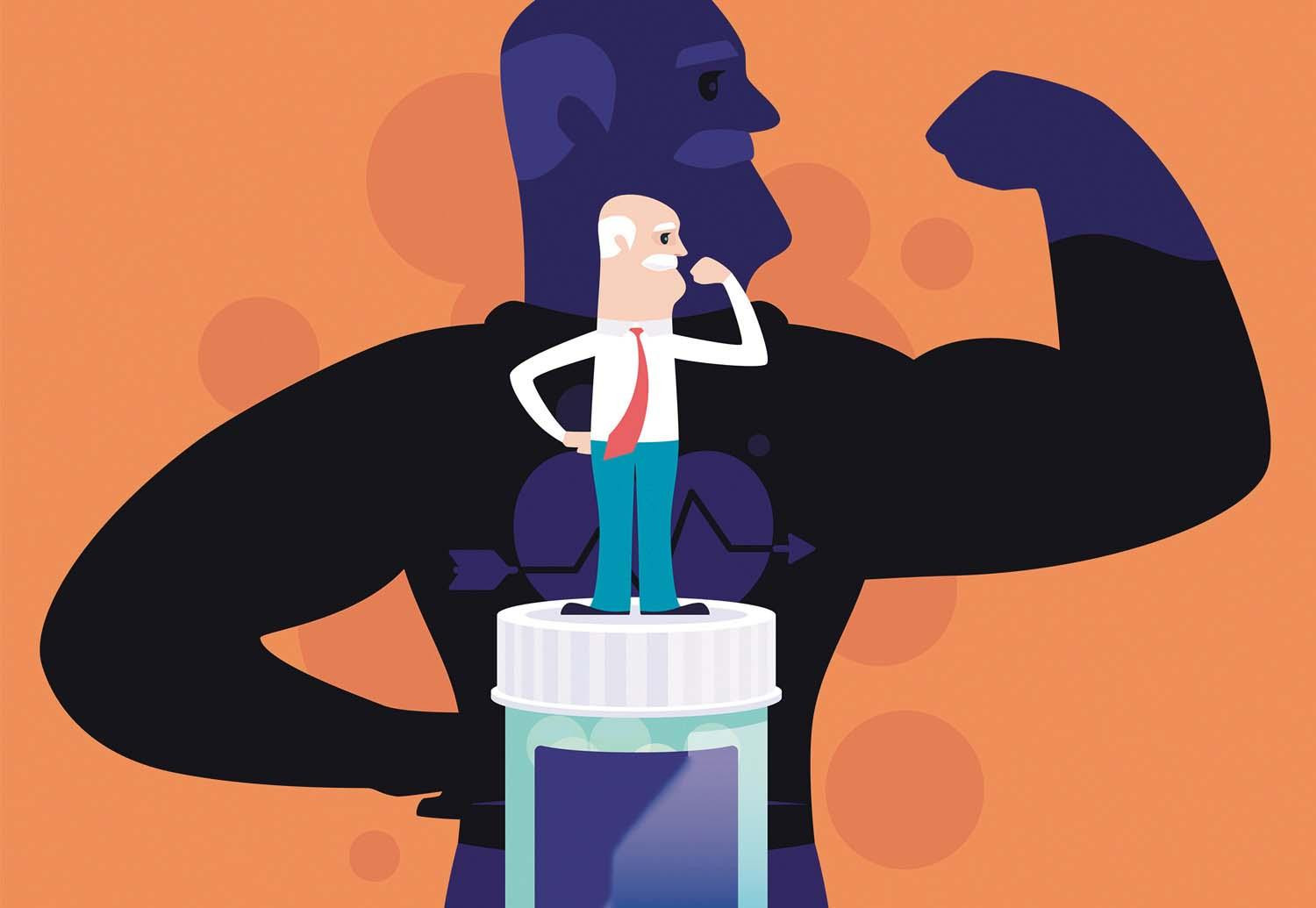
Can supplements boost my athletic performance?
There is little evidence that dietary supplements marketed as performance enhancers do more than following a well-balanced diet. Two nutrients that can help people during extended exercise are carbohydrates and caffeine.
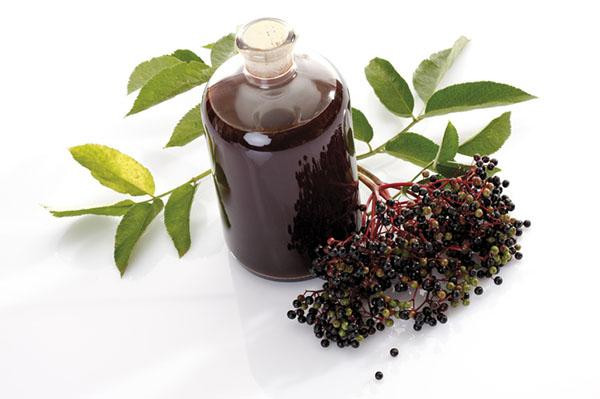
What are the health benefits of elderberry?
Elderberry syrup or tea may help reduce the duration and severity of cold and flu symptoms. But the evidence for these benefits is uncertain, since the studies are small and most did not compare elderberry to standard treatments. Claims that elderberry products can prevent viral infections or boost immunity are unproven. Elderberry supplements appear to be relatively safe; in clinical trials, effects such as nausea, vomiting, or diarrhea were mild and rare.
People who walk more or walk faster live longer, study finds
Rosacea treatments: What works?
For sleep apnea, a dental device may be as effective as CPAP
Carb cycling: What is it, and does it work?
Understanding orthorexia: Have your healthy eating goals gone too far?
Melatonin or magnesium: Can either supplement help you sleep?
Salmonella, E. coli, Cyclospora, and other germs that cause food poisoning: What you need to know
Naturally gluten-free foods
Harvard study: Healthier fats linked to longer life after prostate cancer diagnosis
Shingrix shingles vaccine linked with lower heart disease risks
Free Healthbeat Signup
Get the latest in health news delivered to your inbox!
Sign Up
