

People who walk more or walk faster live longer, study finds

Rosacea treatments: What works?

For sleep apnea, a dental device may be as effective as CPAP

Carb cycling: What is it, and does it work?

Understanding orthorexia: Have your healthy eating goals gone too far?

Melatonin or magnesium: Can either supplement help you sleep?

Salmonella, E. coli, Cyclospora, and other germs that cause food poisoning: What you need to know

Naturally gluten-free foods

Harvard study: Healthier fats linked to longer life after prostate cancer diagnosis

Shingrix shingles vaccine linked with lower heart disease risks
Vitamins, minerals, herbs, and supplements Archive
Articles
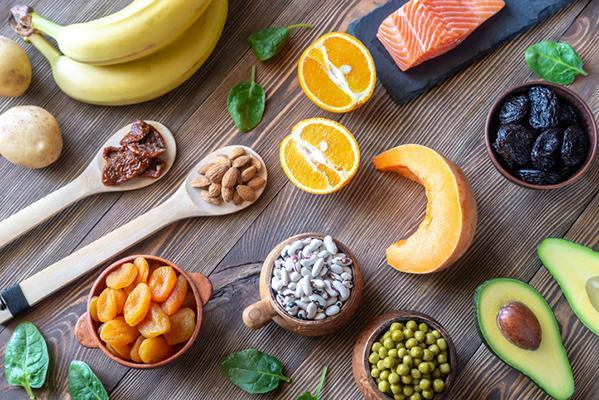
What foods are high in potassium?
Everyday staples like potatoes, beans, or juice can quietly add too much potassium to the diet of someone who's been told to limit their intake. Learn which other foods to limit.
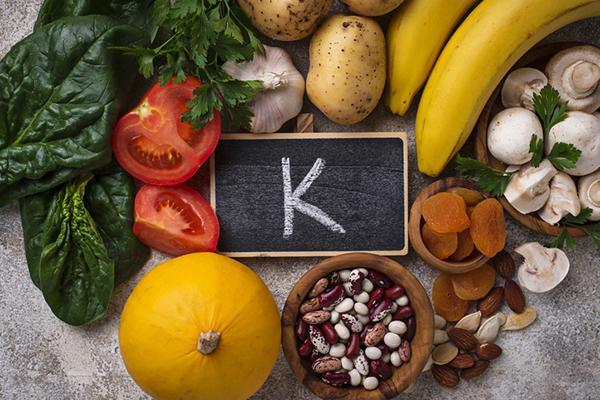
Why does someone with kidney disease need to be careful about high-potassium foods?
When damaged kidneys can&rsquot clear extra potassium, everyday staples like potatoes, beans, and juice may strain the heart. Learn which foods are risky.
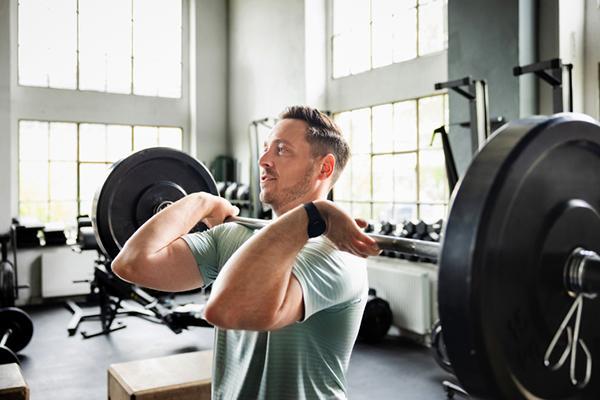
How much protein does an athlete need?
Protein supplements promise muscle gains. But your kidneys must handle what your body can't use. Learn how to estimate daily needs and weigh supplement choices.
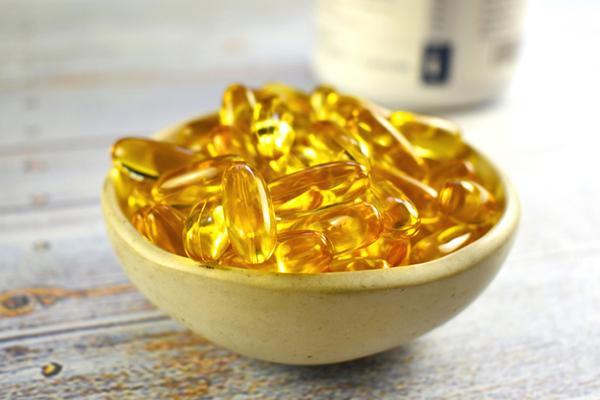
Is a high-dose vitamin D regimen safe?
Very low vitamin D levels may prompt your doctor to prescribe a short regimen of high-dose vitamin D pills before switching to a lower daily dose. See how this approach boosts stores safely.
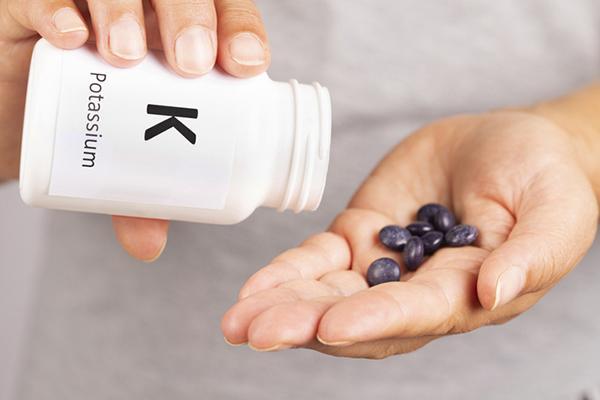
Do I need to take a potassium supplement if I am on a diuretic?
Certain diuretics flush out both water and potassium, but not everyone needs extra. Your doctor will consider blood test results and which other medications you're taking to determine the safest approach.

Do I need to limit my calcium intake to avoid getting kidney stones?
Calcium is vital for bones, and calcium that you're getting from foods are not a concern. However, calcium supplements can lead to kidney stones.
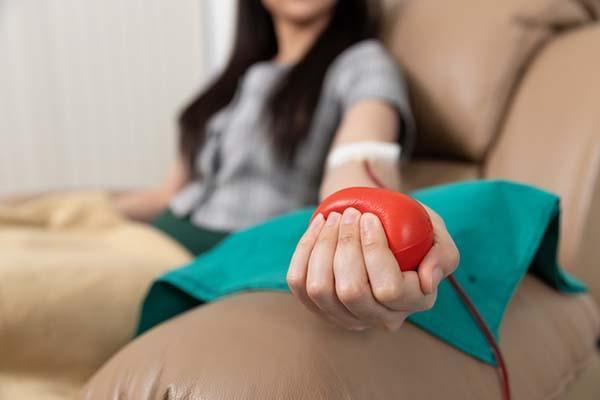
How can I build up my blood hemoglobin level?
Regular blood donations can slowly drain iron stores, lowering hemoglobin levels. Iron supplements may help rebuild them.

Are certain fruits healthier than others?
Most people have heard the nutritional recommendation to eat five servings of fruit per day. But are some fruits better for you than others? Is it okay to eat dried or frozen fruit, or to drink fruit juice? Does it have to be organic?

Vitamin B12 deficiency can be sneaky and harmful
Like most vitamins, B12 can't be made by the body and must be gotten from food or supplements. A B12 deficiency -- which might stem from a vegan or vegetarian diet, or problems with absorption due to weight loss surgery or aging -- can seriously harm nerves, mood, thinking, energy, and more.
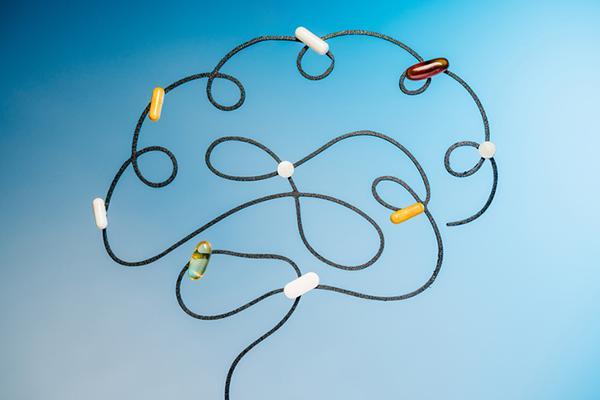
Don't buy into brain health supplements
Brain health supplements purport to enhance memory and improve attention and focus. But no robust scientific evidence backs up those claims. The FDA doesn't oversee supplement testing, so manufacturers do not need to prove products are effective.
People who walk more or walk faster live longer, study finds
Rosacea treatments: What works?
For sleep apnea, a dental device may be as effective as CPAP
Carb cycling: What is it, and does it work?
Understanding orthorexia: Have your healthy eating goals gone too far?
Melatonin or magnesium: Can either supplement help you sleep?
Salmonella, E. coli, Cyclospora, and other germs that cause food poisoning: What you need to know
Naturally gluten-free foods
Harvard study: Healthier fats linked to longer life after prostate cancer diagnosis
Shingrix shingles vaccine linked with lower heart disease risks
Free Healthbeat Signup
Get the latest in health news delivered to your inbox!
Sign Up
