Why does someone with kidney disease need to be careful about high-potassium foods?
Ask the doctor
Q. What is the effect of taking foods high in potassium in a person with kidney disease?
A. Normally functioning kidneys do a great job keeping the blood potassium level less than 5.0 milliequivalents per liter. But many people with kidney disease can't readily get rid of extra potassium. So, eating lots of potassium-rich foods can cause blood levels to rise above the normal range.
A high blood potassium level interferes with the normal electrical activity of the heart. A very high level can cause the heart to stop pumping.
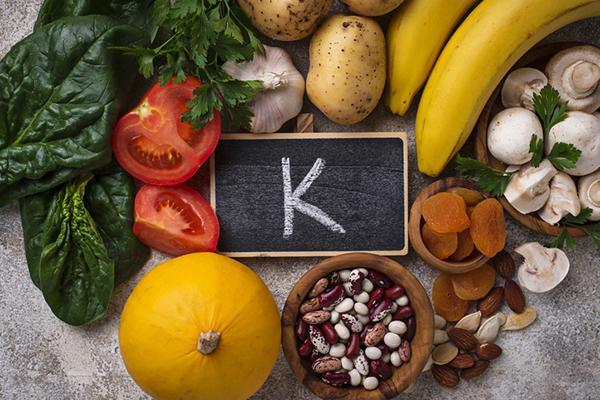
That's why a person with kidney disease is often told to limit (and possibly avoid) certain foods. Here is a list of foods that have high potassium content.
|
Food (serving) |
Potassium (milligrams) |
|
Potato with skin, baked (1 medium) |
926 |
|
Halibut, baked (4 ounces) |
654 |
|
Raisins (1/2 cup) |
543 |
|
Banana (medium) |
451 |
|
Acorn squash, cooked (1/2 cup) |
448 |
|
Spinach, cooked (1/2 cup) |
419 |
|
Tomato sauce (1/2 cup) |
405 |
|
Lentils, cooked (1/2 cup) |
365 |
|
Cantaloupe (1/4 medium) |
365 |
|
Kidney beans, cooked (1/2 cup) |
356 |
|
Orange juice (6 ounces) |
354 |
|
Bran breakfast cereal (1/2 cup) |
340 |
|
Milk, low-fat 1% (1 cup) |
290 |
|
Orange (1 whole) |
260 |
Image: © yulka3ice/Getty Images
About the Author

Howard E. LeWine, MD, Chief Medical Editor, Harvard Health Publishing; Editorial Advisory Board Member, Harvard Health Publishing
Disclaimer:
As a service to our readers, Harvard Health Publishing provides access to our library of archived content. Please note the date of last review or update on all articles.
No content on this site, regardless of date, should ever be used as a substitute for direct medical advice from your doctor or other qualified clinician.