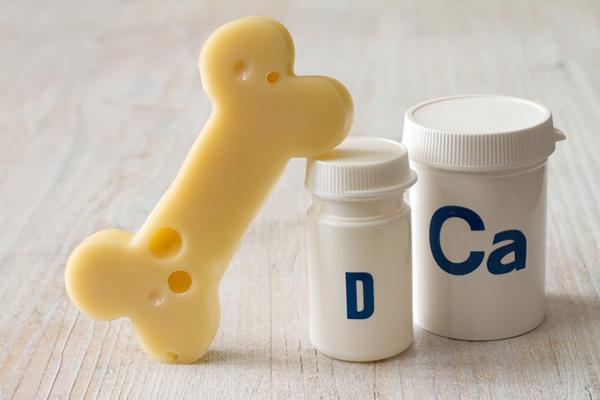
How do vitamin D and calcium work together to keep bones strong?
Ask the doctor
Q. I hear a lot about the importance of vitamin D to prevent osteoporosis. Is it as good as calcium supplements as a way to maintain strong bones?
A. It's important to get both vitamin D and calcium. You are hearing more about vitamin D for a good reason. Most people get enough calcium and don't need supplements.
That is not true for vitamin D. Many people have lower than optimal blood levels of vitamin D. Why is this?
- There are few natural food sources of vitamin D. (Some foods and drinks are fortified with vitamin D. Milk and cereal are examples.)
- For people who regularly get enough sun exposure, vitamin D levels are usually okay. The sun changes the inactive form of vitamin D in our skin into the active form. However, worries about skin cancer and premature aging of skin have meant we are spending less time in the sun.
We need the active form of vitamin D to maximize absorption of the calcium in food and beverages. Keeping vitamin D levels in the normal range reduces the risk of osteoporosis, osteomalacia, and rickets. Also, low levels of vitamin D are linked to a number of other health issues.
I recommend that people take a vitamin D supplement daily. Vitamin D3 is the preferred form (rather than D2). I usually suggest 1,000 international units (IU) of vitamin D3 per day. This is a slightly higher dose than the standard recommended dose, but this amount of vitamin D is very safe.
Image: © udra/Getty Images
About the Author

Howard E. LeWine, MD, Chief Medical Editor, Harvard Health Publishing; Editorial Advisory Board Member, Harvard Health Publishing
Disclaimer:
As a service to our readers, Harvard Health Publishing provides access to our library of archived content. Please note the date of last review or update on all articles.
No content on this site, regardless of date, should ever be used as a substitute for direct medical advice from your doctor or other qualified clinician.