The hidden dangers of protein powders
They may contain added sugar, calories, or even toxic chemicals.
- Reviewed by Mallika Marshall, MD, Contributing Editor
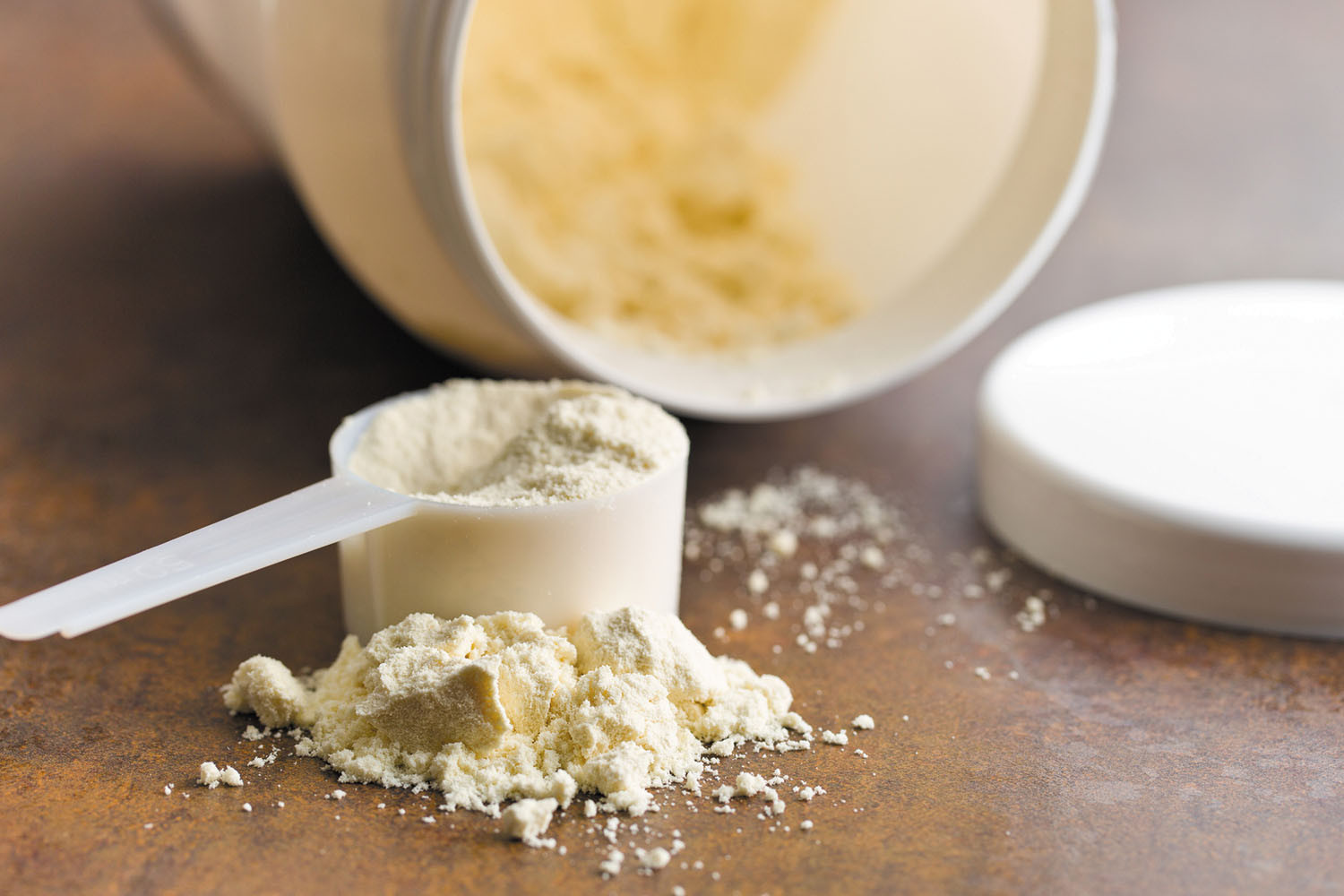
Adding protein powder to a glass of milk or a smoothie may seem like a simple way to boost your health. After, all, protein is essential for building and maintaining muscle, bone strength, and numerous body functions. And many older adults don't consume enough protein because of a reduced appetite.
But be careful: A scoop of chocolate or vanilla protein powder can carry health risks, and you may be better off getting your protein from food sources.
What is protein powder?
Protein powders are powdered forms of protein that come from plants (soybeans, peas, rice, potatoes, or hemp), eggs, or milk (casein or whey protein). The powders may include other ingredients such as added sugars, artificial flavoring, thickeners, vitamins, and minerals. The amount of protein per scoop can vary from 10 to 30 grams. Supplements used for building muscle contain relatively more protein, and supplements used for weight loss contain relatively less.
What are the risks?
There are numerous risks to consider when using a protein powder. Among them:
- A protein powder is a dietary supplement. The FDA leaves it up to manufacturers to evaluate the safety and labeling of products. So, there's no way to know if a protein powder contains what manufacturers claim.
- We don't know the long-term effects. There is limited data on the possible side effects of high protein intake from supplements.
- It may cause digestive distress. People with dairy allergies or trouble digesting lactose (milk sugar) can experience gastrointestinal discomfort if they use a milk-based protein powder.
- It may be high in added sugars and calories. Some protein powders have little added sugar, and others have a lot (as much as 23 grams per scoop). Some protein powders wind up turning a glass of milk into a drink with more than 1,200 calories. The risk: weight gain and an unhealthy spike in blood sugar. The American Heart Association recommends a limit of 24 grams of added sugar per day for women and 36 grams for men.
A new risk revealed
In 2025, a nonprofit group called the Clean Label Project released a report about toxins in protein powders. Researchers screened 134 products for 130 types of toxins and found that many protein powders contained heavy metals (lead, arsenic, cadmium, and mercury), bisphenol-A (BPA, which is used to make plastic), pesticides, or other contaminants with links to cancer and other health conditions. Some toxins were present in significant quantities. For example, one protein powder contained 25 times the allowed limit of BPA.
How could protein powder contain so many contaminants? The Clean Label Project points to manufacturing processes or the existence of toxins in soil (absorbed by plants that are made into protein powders).
Not all the protein powders that were tested contained elevated levels of toxins. You can see the results on the Clean Label Project's website.
Daily protein goalsTo ensure you're getting enough protein, aim for the Recommended Dietary Allowance (RDA) for protein intake: 46 grams per day for women and 56 grams for men. If you're an athlete or have health issues, discuss your needs with your medical care team. In most cases, you can get plenty of protein from ordinary foods and drinks. For example:
|
Do you need protein powder?
In certain cases, chemical-free protein powders may be helpful - but only with medical supervision. Such cases could include
- difficulty eating or an impaired appetite (because of cancer treatment or frailty from older age)
- a surgical incision or a pressure wound that is not healing well (your body needs protein to repair cells and make new ones)
- a serious condition requiring additional calories and protein for you to get better (such as burns).
Otherwise, get protein from whole foods: nuts, seeds, low-fat dairy products (yogurt, milk, cheese), legumes (beans, lentils), fish, poultry, eggs, and lean meat. Once you start looking, you'll find that there are many ways to get protein without turning to a powder.
Image: © jirkaejc/Getty Images
About the Reviewer

Mallika Marshall, MD, Contributing Editor
Disclaimer:
As a service to our readers, Harvard Health Publishing provides access to our library of archived content. Please note the date of last review or update on all articles.
No content on this site, regardless of date, should ever be used as a substitute for direct medical advice from your doctor or other qualified clinician.