

Light exposure at night may raise risk for heart disease

Whole grains may improve several heart risk factors at once

A lumbar belt may help ease low back pain

Children of centenarians may stay healthier and live longer too, study finds

Signs of pneumonia: Sometimes vague and unexpected

The surprising link between ovarian cancer and the fallopian tubes

Using a vibration plate: What it can — and can't — do for your body

People who walk more or walk faster live longer, study finds
For sleep apnea, a dental device may be as effective as CPAP
Rosacea treatments: What works?
Urinary incontinence Archive
Articles

How can I tell if I'm developing arthritis or musculoskeletal syndrome of menopause?
Osteoarthritis and musculoskeletal syndrome of menopause can involve overlapping symptoms. But arthritis pain tends to be concentrated in specific joints, while joint pain and achiness from musculoskeletal syndrome of menopause usually occurs in multiple joints and muscles at once.
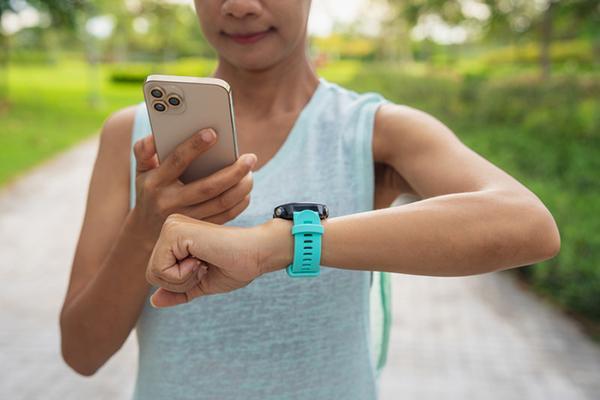
How femtech can empower women at midlife and beyond
Femtech (short for female technology) has expanded dramatically since its genesis a decade ago. Encompassing apps, wearable devices, medical hardware, and online platforms, femtech tools have increasingly focused on midlife and older women.

Self-administered hypnosis may ward off hot flashes
A 2025 study suggested that self-administered hypnosis can reduce hot flash frequency and intensity in menopausal women.
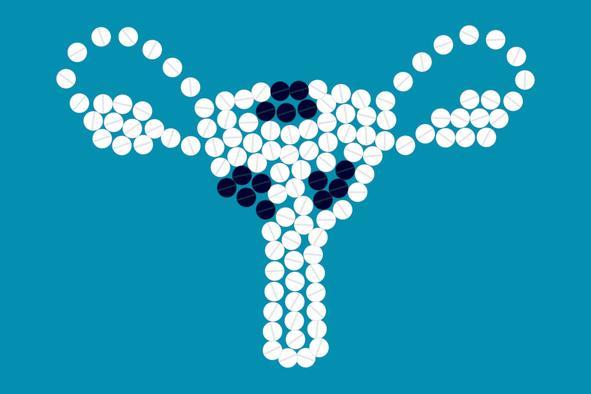
Fibroids tied to higher risk of cardiovascular disease
A 2026 study suggested that women with uterine fibroids may have far higher long-term risks of developing atherosclerotic cardiovascular disease, including heart attack and stroke.
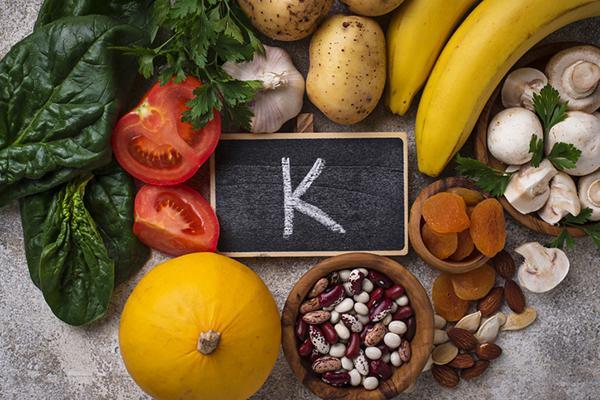
Why does someone with kidney disease need to be careful about high-potassium foods?
When damaged kidneys can&rsquot clear extra potassium, everyday staples like potatoes, beans, and juice may strain the heart. Learn which foods are risky.
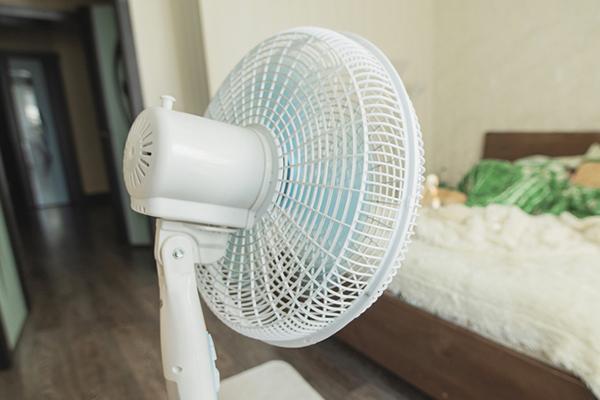
What could cause night sweats in a middle-age man?
For men, night sweats can signal anything from room temperature issues to infections, sleep apnea, medications, hormonal problems, or something else.
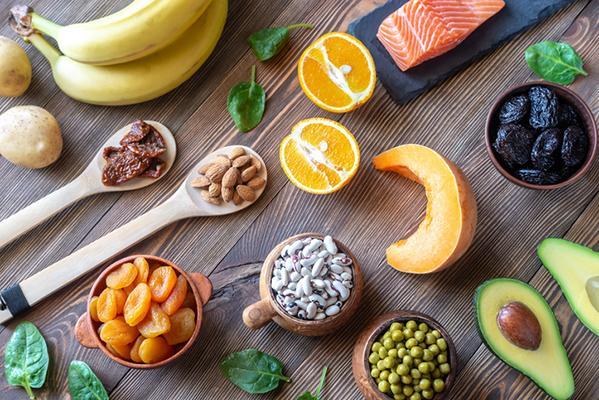
What foods are high in potassium?
Everyday staples like potatoes, beans, or juice can quietly add too much potassium to the diet of someone who's been told to limit their intake. Learn which other foods to limit.

Do I need to limit my calcium intake to avoid getting kidney stones?
Calcium is vital for bones, and calcium that you're getting from foods are not a concern. However, calcium supplements can lead to kidney stones.
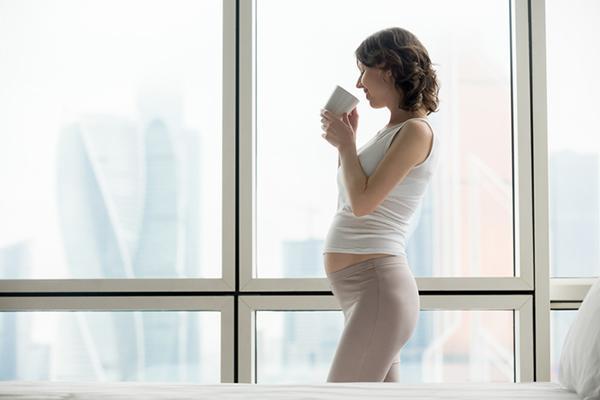
How much coffee, if any, is safe during early pregnancy?
Coffee, tea, and soda all contribute to daily caffeine intake. Too much could affect miscarriage risk, as well as the baby's size.
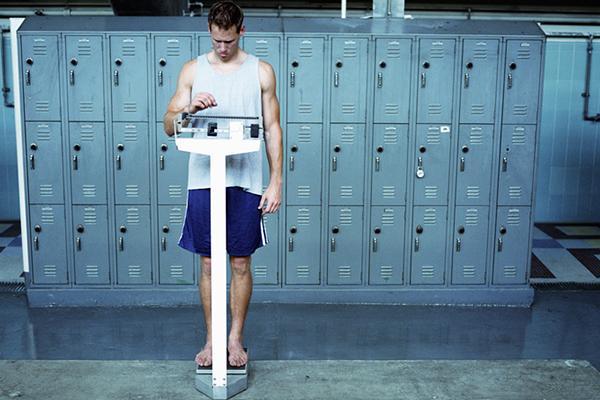
What is a healthy weight for a young man?
Charts offer BMI ranges and waist targets, but they aren't the whole story. Learn how height, belly fat, diet, and activity shape "healthy" weight.
Light exposure at night may raise risk for heart disease
Whole grains may improve several heart risk factors at once
A lumbar belt may help ease low back pain
Children of centenarians may stay healthier and live longer too, study finds
Signs of pneumonia: Sometimes vague and unexpected
The surprising link between ovarian cancer and the fallopian tubes
Using a vibration plate: What it can — and can't — do for your body
People who walk more or walk faster live longer, study finds
For sleep apnea, a dental device may be as effective as CPAP
Rosacea treatments: What works?
Free Healthbeat Signup
Get the latest in health news delivered to your inbox!
Sign Up
