

Light exposure at night may raise risk for heart disease

Whole grains may improve several heart risk factors at once

A lumbar belt may help ease low back pain

Children of centenarians may stay healthier and live longer too, study finds

Signs of pneumonia: Sometimes vague and unexpected

The surprising link between ovarian cancer and the fallopian tubes

Using a vibration plate: What it can — and can't — do for your body

People who walk more or walk faster live longer, study finds

For sleep apnea, a dental device may be as effective as CPAP

Rosacea treatments: What works?
Urinary incontinence Archive
Articles
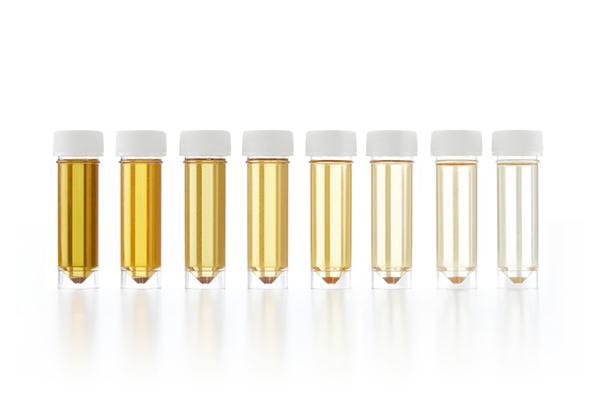
What could be causing my dark, smelly urine?
Urine that is sometimes dark or pungent can reflect dehydration, diet, or something more. Learn which clues signal a need for testing.
Late-start hormone therapy: Safe or risky?
Guidelines recommend that women starting hormone therapy do so before age 60 and within 10 years of menopause onset. Starting later may raise the risks of heart attack, stroke, or dementia. Women who start hormone therapy at 70 or older face even greater cardiovascular risks.

Staying active throughout middle age may lower women's risk of dying early
A 2026 study suggested that women who consistently stay active throughout middle age have a significantly lower risk of dying early than peers who are inactive.

What could cause a painful breast lump in a man?
A new, tender lump in a man’s breast doesn't necessarily mean cancer. But it should not be ignored. Gynecomastia is one possible cause, but there are others.

Do all erectile dysfunction drugs have the same side effects?
Erectile dysfunction medicines act similarly but can vary in side effects, duration of action and food interactions.
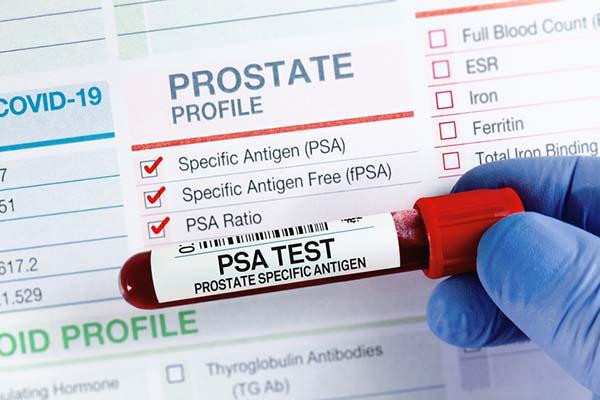
Symptoms of early-stage prostate cancer
Prostate cancer often develops quietly, with few or no early warning signs, and can resemble normal age‑related prostate changes. When symptoms arise, they usually involve subtle changes in urination. Doctors combine careful questioning, physical examination, blood tests, and modern scans to distinguish harmless enlargement from serious disease.

When consequences of pregnancy complications develop later in life
Pregnancy complications such as gestational diabetes and preeclampsia—marked by high blood pressure that can impair organ function and affect blood vessels—are increasingly tied to higher lifetime cardiovascular risks. Women with these complications face greater odds of heart attack, stroke, and diabetes.

How chemotherapy can affect women's sexual health — and what can help
Chemotherapy treatment in women can diminish hormone levels that affect sexual health and intimacy. It can also alter self-image, sex drive, and emotions. Research suggests anywhere from 40% to 100% of cancer survivors struggle with sexual dysfunction.

Diagnosing and treating premenstrual dysphoric disorder
Women who experience severe premenstrual symptoms may have a condition called premenstrual dysphoric disorder. Antidepressants may relieve these symptoms and, depending on the person, can be taken intermittently instead of daily.

Why testosterone levels drop and when to consider treatment
Low libido, erectile dysfunction, fatigue, reduced muscle mass, hot flashes, and more may be symptoms of testosterone deficiency. Testing can help determine the diagnosis, and testosterone replacement therapy may help counter the decline in the hormone.
Light exposure at night may raise risk for heart disease
Whole grains may improve several heart risk factors at once
A lumbar belt may help ease low back pain
Children of centenarians may stay healthier and live longer too, study finds
Signs of pneumonia: Sometimes vague and unexpected
The surprising link between ovarian cancer and the fallopian tubes
Using a vibration plate: What it can — and can't — do for your body
People who walk more or walk faster live longer, study finds
For sleep apnea, a dental device may be as effective as CPAP
Rosacea treatments: What works?
Free Healthbeat Signup
Get the latest in health news delivered to your inbox!
Sign Up
